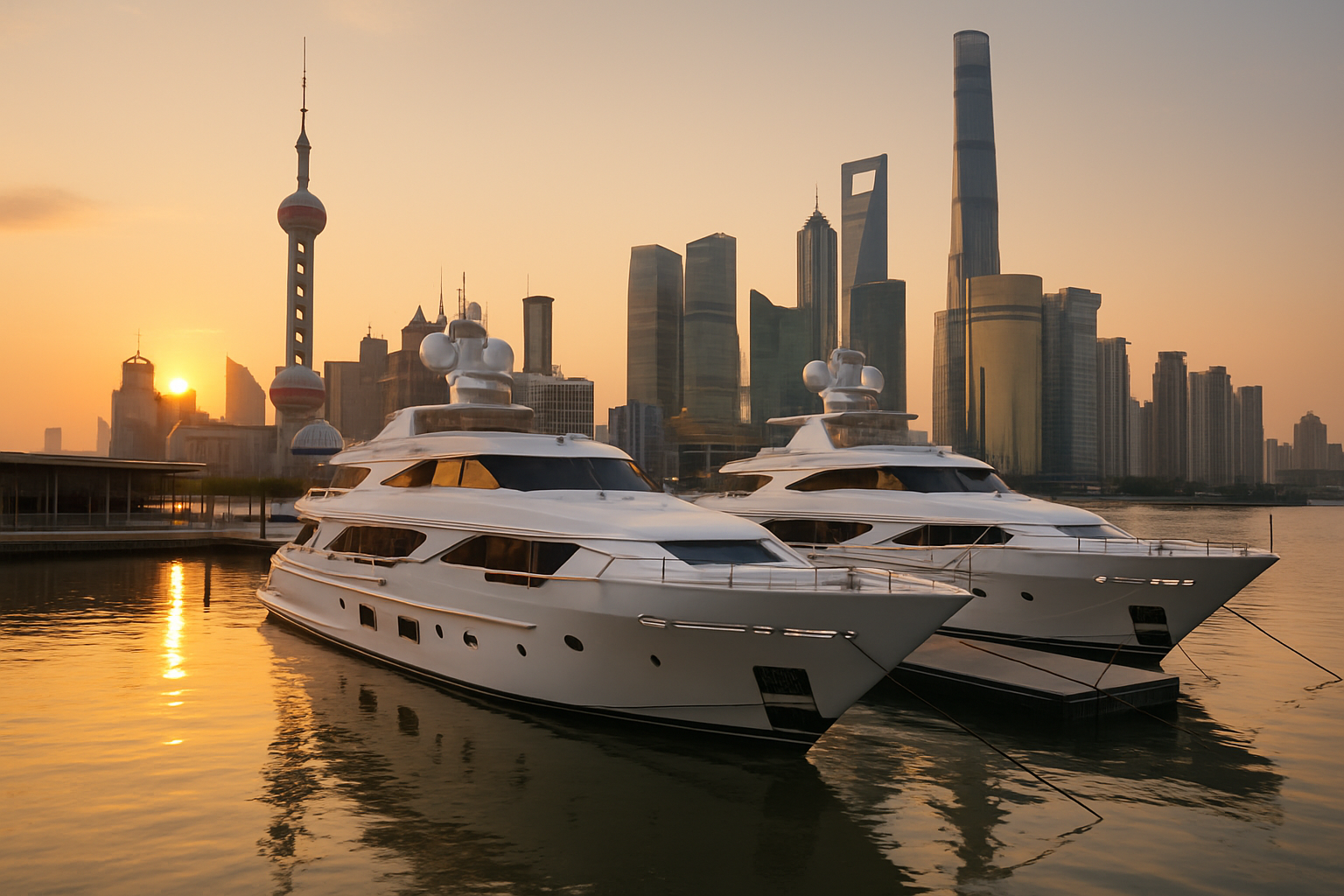
Despite boasting the world's largest population of billionaires, China's luxury yacht industry remains surprisingly underdeveloped compared to Western markets, with structural barriers and regulatory complexities hampering growth in what should be a natural market for ultra-high-net-worth individuals.
While Chinese e-commerce billionaire Richard Liu recently announced a multibillion-dollar investment in a new yacht company, signaling renewed interest in the sector, industry insiders report that regulatory hurdles and infrastructure gaps continue to prevent China's wealthiest individuals from fully embracing yachting as a leisure activity on par with their Western counterparts.
The Billionaire Paradox
China's economic transformation over the past four decades has created an unprecedented concentration of wealth, with more billionaires than any other country globally. These ultra-wealthy individuals regularly engage in luxury pursuits including private jets, high-end real estate, and exclusive art collections, yet yachting has failed to capture their imagination at expected levels.
The disconnect between China's wealth concentration and yacht adoption rates highlights fundamental differences in how luxury leisure activities develop across cultures and regulatory environments. While Western billionaires have long viewed yacht ownership as a symbol of ultimate luxury and freedom, Chinese ultra-wealthy individuals face unique constraints that make yacht ownership less attractive or practical.
Regulatory and Infrastructure Challenges
Industry experts point to several structural issues that continue to limit yacht market development in China. Complex regulatory frameworks governing yacht ownership, operation, and berthing create significant barriers for potential owners. Unlike established yachting destinations in the Mediterranean or Caribbean, China's coastal infrastructure for luxury yachts remains limited, with few world-class marinas capable of accommodating superyachts.
The regulatory environment extends beyond simple ownership rules to encompass operational restrictions, crew requirements, and navigational permissions that can make yacht ownership cumbersome compared to other luxury assets. These bureaucratic complexities often discourage even the most determined luxury consumers from pursuing yacht ownership.
"The interest is definitely there among China's ultra-wealthy, but the practical challenges of yacht ownership and operation in Chinese waters remain formidable."
— Luxury Industry Analyst
Market Dynamics and Cultural Factors
Beyond regulatory barriers, cultural and practical considerations influence yacht adoption rates among Chinese billionaires. Unlike Western yacht culture, which emphasizes privacy, exploration, and maritime tradition, Chinese luxury consumers often prefer experiences that offer social visibility and business networking opportunities.
The isolated nature of yacht ownership, while appealing to privacy-seeking Western billionaires, may not align with Chinese business culture's emphasis on relationship building and visible success markers. Additionally, China's vast territory and focus on domestic business activities may limit the appeal of international yachting experiences that drive demand in other markets.
Investment Initiatives and Industry Response
Richard Liu's significant investment announcement represents a notable shift in industry confidence, suggesting that major Chinese entrepreneurs believe structural challenges can be overcome through strategic investment and development. His commitment to yacht industry development could signal broader changes in how the sector approaches the Chinese market.
Industry participants are exploring various approaches to make yacht ownership more accessible and appealing to Chinese consumers, including partnerships with established international yacht builders, development of China-specific yacht designs, and creation of turnkey ownership packages that simplify the regulatory and operational complexities.
Infrastructure Development Needs
Successful yacht market development in China will require substantial infrastructure investments, particularly in marina development and coastal facilities capable of supporting luxury yacht operations. Current facilities, while improving, remain inadequate for the scale of yacht market that China's billionaire population could theoretically support.
World-class marina development requires not only physical infrastructure but also supporting services including crew training facilities, maintenance capabilities, and luxury amenities that yacht owners expect. The absence of this comprehensive ecosystem continues to limit market growth potential.
Global Market Context
China's yacht market challenges occur against a backdrop of global luxury market expansion, where other emerging economies have successfully developed yacht industries by addressing regulatory and infrastructure barriers. Countries like Thailand and Turkey have demonstrated that strategic development can create thriving yacht markets even without long maritime traditions.
The Chinese market's potential remains enormous given the country's wealth concentration and growing appetite for luxury experiences. Success in overcoming current barriers could create one of the world's largest yacht markets, potentially rivaling established Western markets in scale and sophistication.
Future Outlook and Investment Opportunities
Industry observers remain cautiously optimistic about China's yacht market potential, particularly as younger generation billionaires with more international exposure enter the market. These individuals may be more willing to embrace yachting culture and push for regulatory reforms that facilitate market development.
The convergence of Liu's investment commitment, growing international yacht industry interest in China, and gradual regulatory evolution suggests that the Chinese yacht market may be approaching an inflection point. Success will depend on coordinated efforts to address infrastructure gaps, streamline regulatory processes, and create yacht ownership experiences aligned with Chinese luxury consumer preferences.
While challenges remain significant, China's yacht industry represents one of the world's most promising untapped luxury markets, with the potential to transform global yacht industry dynamics if structural barriers can be effectively addressed through strategic investment and policy reform.