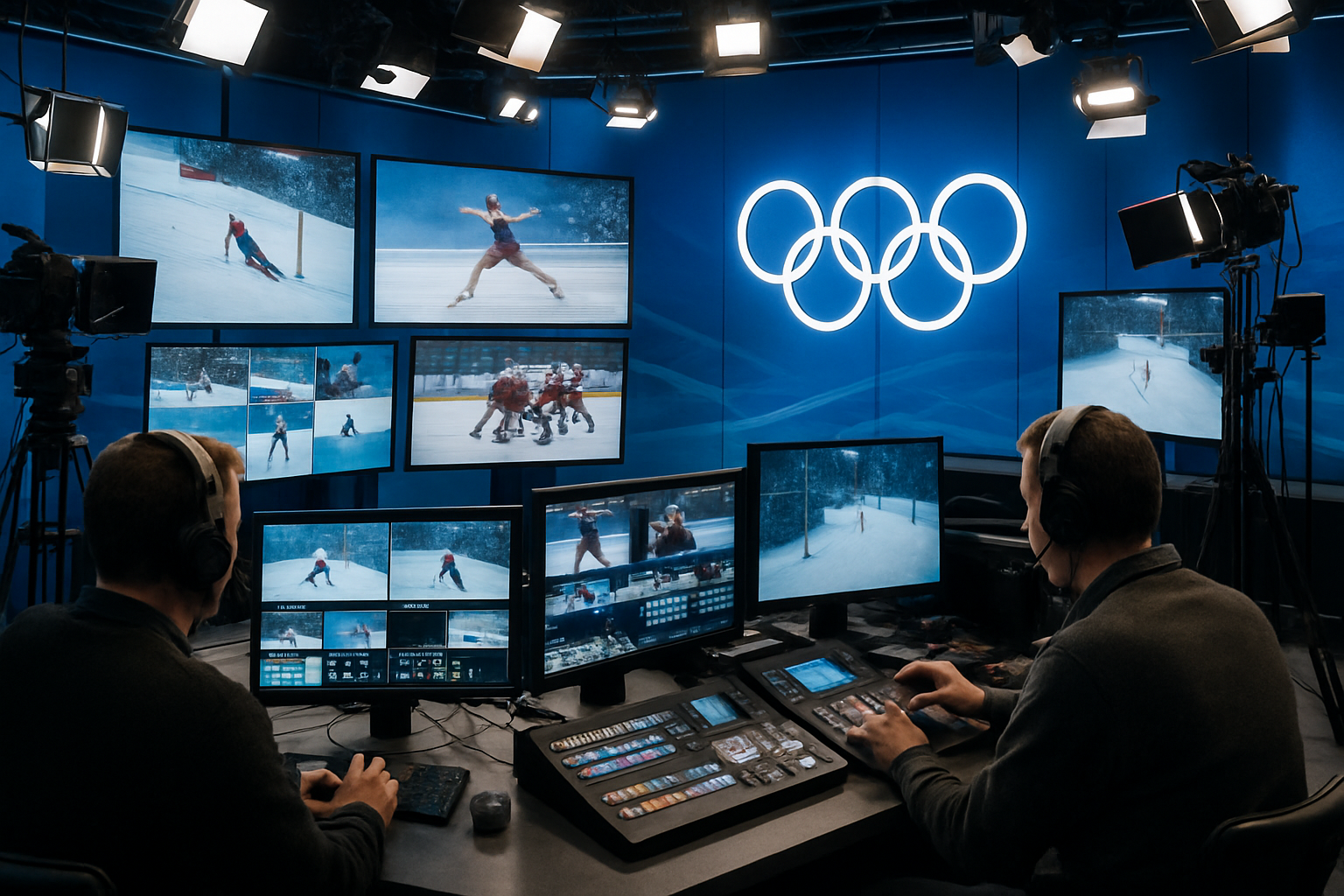
As the Milano-Cortina 2026 Winter Olympics officially commence with opening ceremonies at Milan's San Siro stadium, Latin American viewers find themselves dependent on a single broadcasting platform: Claro Sports' YouTube channel, which has emerged as the exclusive provider of comprehensive Olympic coverage across the region.
The broadcasting arrangement represents a significant shift in Olympic media rights distribution, with traditional television networks taking a backseat to digital streaming platforms for one of the world's most prestigious sporting events. From February 6-22, viewers across Argentina and the broader Latin American region must turn to Claro Sports' YouTube channel to follow the complete Olympic program covering all 16 disciplines.
Comprehensive Digital Coverage Model
Claro Sports has committed to broadcasting every aspect of the Games, from alpine skiing and biathlon to the debut of ski mountaineering as an Olympic sport. The platform's coverage encompasses all major winter sports disciplines including bobsleigh, cross-country skiing, curling, figure skating, freestyle skiing, ice hockey, luge, Nordic combined, short track speed skating, skeleton, ski jumping, snowboarding, and traditional speed skating.
This comprehensive approach contrasts sharply with traditional television broadcasting models, where networks typically focus on marquee events or sports with high viewership potential. The digital platform's capacity to stream multiple events simultaneously allows viewers unprecedented access to niche sports that might otherwise receive limited coverage.
The Disrupted Broadcasting Landscape
The reliance on Claro Sports comes amid broader disruption in sports media rights and traditional broadcasting. Major news organizations worldwide have been restructuring their sports coverage divisions, with some outlets eliminating entire sports departments. This trend has created opportunities for specialized platforms like Claro Sports to fill coverage gaps, particularly in international sporting events.
"The shift toward streaming platforms for Olympic coverage represents a fundamental change in how audiences consume major sporting events."
— Media Industry Analyst
The Milano-Cortina Games, running across seven venues spanning over 400 kilometers from Milan to Cortina d'Ampezzo, present unique broadcasting challenges. The most geographically dispersed Winter Olympics in history requires sophisticated production coordination and multiple broadcast feeds to cover simultaneous events across different locations.
Technology Integration and Innovation
The 2026 Games mark several technological firsts in Olympic broadcasting. The International Olympic Committee has partnered with Alibaba Cloud to deploy the first Olympic Large Language Model (LLM) technology, with Qwen AI powering enhanced broadcasting experiences and spectator services. This integration represents a milestone in sports broadcasting technology, potentially revolutionizing how viewers interact with Olympic content.
Additionally, OMEGA has introduced AI-powered figure skating analysis tools designed to assist both judges and viewers in understanding the technical complexities of performances. These innovations suggest that Olympic broadcasting is evolving beyond simple event coverage toward interactive, technology-enhanced viewing experiences.
Regional Participation and Coverage Priorities
For Latin American audiences, the Olympics feature notable regional participation despite the traditionally European and North American dominance in winter sports. Argentina has sent eight athletes to compete across various disciplines, providing local storylines that Claro Sports is positioned to highlight throughout the Games.
The platform's Spanish-language coverage serves a crucial role in making Olympic sports accessible to Latin American audiences, many of whom may be unfamiliar with winter sports culture and terminology. This educational aspect of broadcasting becomes particularly important for sports making their Olympic debut, such as ski mountaineering.
Infrastructure and Accessibility Challenges
The Milano-Cortina Games have faced significant infrastructure challenges that impact broadcasting operations. Power outages at the Cortina curling venue during early competition days, incomplete transportation infrastructure, and last-minute venue construction have created additional complexity for broadcast operations.
Despite these challenges, Claro Sports has maintained its commitment to comprehensive coverage, adapting to technical difficulties and venue changes that are characteristic of the most geographically dispersed Winter Olympics ever attempted.
The Economics of Olympic Broadcasting Rights
The concentration of Latin American Olympic broadcasting rights within Claro Sports reflects broader economic trends in sports media. Traditional television networks increasingly struggle to justify the enormous costs associated with Olympic broadcasting rights, particularly for winter sports that typically generate lower viewership in warmer climates.
Streaming platforms, however, can leverage different economic models. YouTube-based distribution allows for more flexible advertising approaches, international audience reach, and lower distribution costs compared to traditional broadcast infrastructure. This economic advantage enables platforms like Claro Sports to bid competitively for rights that traditional broadcasters might find financially challenging.
Viewer Experience and Platform Performance
The success of Claro Sports' Olympic coverage will largely depend on the platform's ability to handle massive concurrent viewership while maintaining broadcast quality. YouTube's infrastructure provides significant advantages in terms of global reach and technical reliability, but the platform faces the challenge of delivering professional-quality sports broadcasting through a medium traditionally associated with user-generated content.
The viewing experience includes multiple simultaneous event streams, on-demand replay capabilities, and multi-language commentary options that traditional television broadcasting cannot easily match. These features represent competitive advantages for digital platforms in Olympic coverage.
Impact on Future Sports Broadcasting
The Milano-Cortina 2026 Olympics may represent a turning point in international sports broadcasting, with streaming platforms increasingly becoming primary rather than supplementary distribution channels. The success or failure of platforms like Claro Sports in delivering high-quality Olympic coverage could influence how future major sporting events approach media rights distribution.
"This Olympics serves as a test case for whether streaming platforms can fully replace traditional television as the primary medium for major international sporting events."
— Sports Media Researcher
The integration of AI technology, multi-language support, and comprehensive coverage across niche sports suggests that streaming platforms may actually offer superior Olympic viewing experiences compared to traditional television broadcasts limited by scheduling constraints and regional focus.
Looking Ahead: Broadcasting Evolution
As the Milano-Cortina Games progress through February 22, Claro Sports' performance will be closely watched by both Olympic organizers and media industry observers. The platform's success in delivering comprehensive coverage across diverse winter sports disciplines could establish new standards for Olympic broadcasting and influence rights negotiations for future Games.
The broader implications extend beyond individual sports events, potentially reshaping how international sporting competitions approach media distribution in an increasingly digital-first global media landscape. For Latin American viewers, the Claro Sports model offers unprecedented access to Olympic competition, representing both an opportunity and a dependency on digital platform reliability.
The Milano-Cortina 2026 Winter Olympics thus serve as more than just a sporting competition—they represent a crucial test of how sports broadcasting will evolve in the streaming era, with Claro Sports positioned at the forefront of this transformation for the Latin American market.