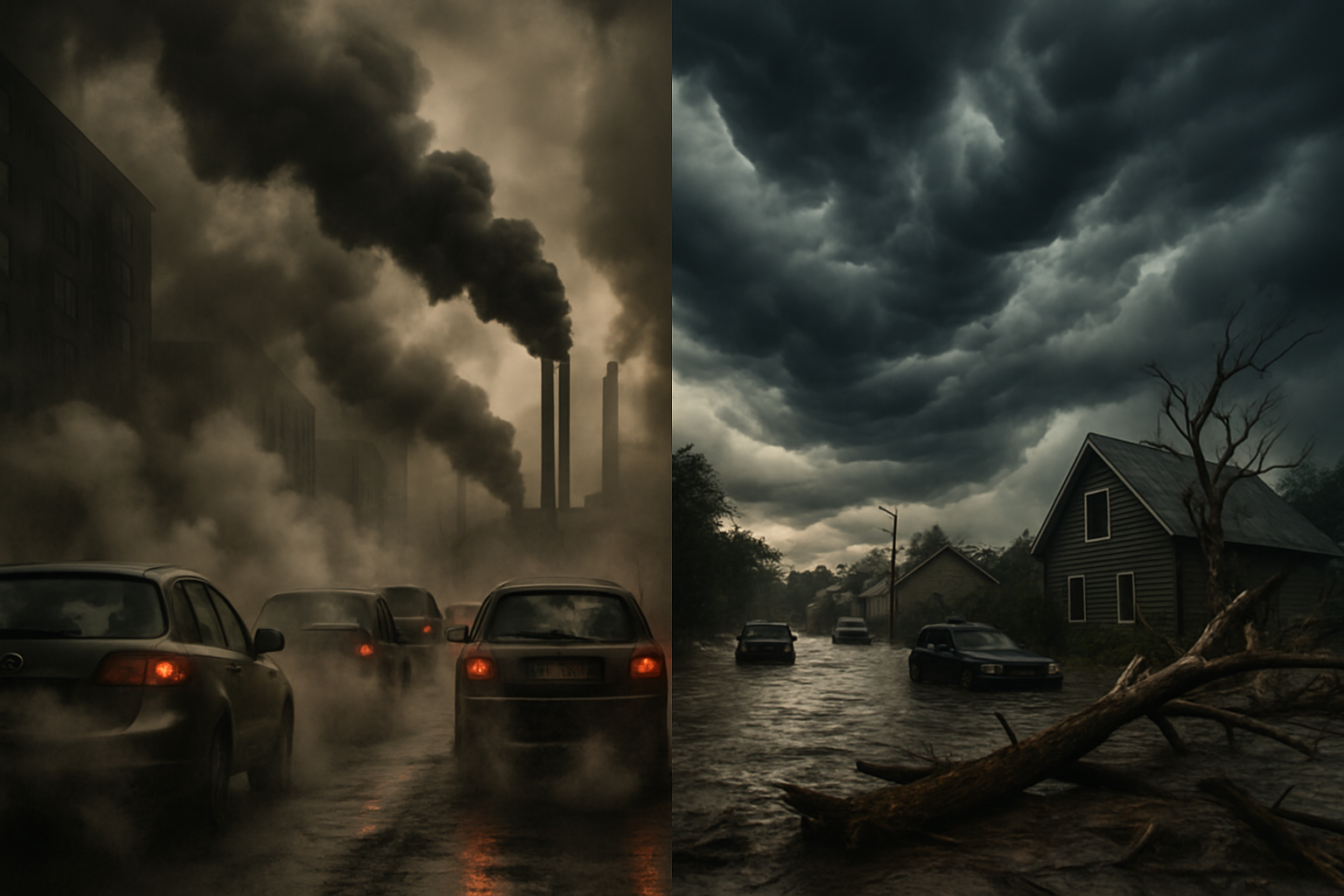
As Germany's climate protection efforts stagnate with rising emissions from transport and buildings, a cascade of extreme weather events across five continents has overwhelmed global emergency response systems during March 2026, marking the 21st consecutive month of temperatures exceeding 1.5°C above pre-industrial levels.
German climate protection initiatives have effectively ground to a halt, with transport and building sectors driving increased greenhouse gas emissions despite ambitious climate neutrality targets. According to German media analysis, the country's path to climate neutrality remains "ambitious" but increasingly unrealistic as key sectors fail to deliver promised reductions.
Global Weather Crisis Unfolds
While Germany grapples with domestic climate failures, extreme weather events have simultaneously erupted across multiple continents, creating what climate scientists describe as an unprecedented "compound disaster" scenario. Australia's Queensland town of Longreach braced for peak flooding at 6.7 meters, with residents evacuated as floodwaters steadily rose through streets and infrastructure.
In North Africa, Algeria's meteorological services issued urgent warnings for heavy snowfall exceeding 50mm above 1,100 meters, accompanied by dangerous thunderstorms and winds surpassing 100 km/h. The multi-hazard weather system poses respiratory risks through dust storms while delivering both flooding and blizzard conditions across different elevation zones.
Bosnia and Herzegovina experienced an unusual weather phenomenon as temperatures reached 20°C in some regions, driven by what meteorologists identified as a powerful African anticyclone that has essentially "canceled winter." However, weather experts warn that this temporary warming will give way to dramatic temperature swings and potential spring flooding.
Infrastructure Beyond Breaking Point
Emergency services across affected regions report operating at or beyond capacity limits, with traditional mutual aid mechanisms failing when multiple continents face simultaneous disasters. The European Union's Civil Protection Mechanism has been repeatedly activated, including a €246 million assistance package from Sweden and Denmark representing the largest coordinated European weather response on record.
Finland faced additional infrastructure challenges as a major water main break in Rauma caused citywide water pressure collapse, adding utility failures to the growing list of climate-related infrastructure vulnerabilities. These incidents reflect a broader pattern of systems designed for historical climate patterns failing under current extreme conditions.
"We're witnessing the emergence of a 'permanent climate volatility era' where emergency services must prepare for simultaneous disasters rather than sequential regional events."
— Dr. Sarah Mitchell, International Climate Adaptation Institute
Historic Temperature Milestone
March 2026 represents a critical watershed moment as global temperatures have now exceeded the 1.5°C threshold for 21 consecutive months—the longest sustained extreme warming period in recorded human history. January 2026 remains the hottest month ever recorded, demonstrating how human-induced climate change has fundamentally overridden natural cooling mechanisms, including La Niña effects.
The World Meteorological Organization reports a 50-60% probability of El Niño development during July-September 2026, which could potentially drive unprecedented global temperatures by combining baseline warming with natural cycle amplification. This "climate volatility paradox" enables simultaneous global heat records and devastating regional extremes through disrupted atmospheric circulation patterns.
Economic and Social Devastation
The convergence of climate protection failures and extreme weather events has triggered massive economic disruption across multiple sectors. Agricultural operations face mounting losses as extreme weather destroys crops and disrupts supply chains during critical growing seasons. Tourism industries confront extended cancellations and infrastructure damage, while transportation networks suffer cascading disruptions affecting global commerce.
Mental health services report increased demand for support related to climate anxiety and repeated extreme weather trauma. Families face the loss of generational homes, while small businesses confront extinction threats. Vulnerable populations require extended emergency support as traditional community support systems strain under repeated climate impacts.
Adaptation Imperatives
The March 2026 crisis has forced a fundamental reconsideration of climate preparedness strategies worldwide. The choice between reactive crisis management and transformative infrastructure adaptation has become increasingly critical as the window for effective climate action narrows rapidly.
Environmental protection experts emphasize that "building back better" with climate-resilient infrastructure has evolved from an optional enhancement to an essential survival strategy. Traditional seasonal patterns that have guided infrastructure design, agricultural planning, and emergency preparedness for centuries are no longer reliable frameworks for future planning.
Successful environmental responses increasingly demonstrate sophisticated integration of cutting-edge technology with traditional ecological knowledge and community-based management. Advanced satellite imagery, environmental DNA analysis, and AI-enhanced monitoring systems provide rapid threat response capabilities, but require community engagement and traditional knowledge systems to sustain long-term environmental management.
International Cooperation Under Strain
Environmental challenges transcend political boundaries as atmospheric systems, ocean currents, and climate effects operate regardless of borders. Traditional aid frameworks that assume stable regions can assist others during emergencies break down when multiple continents face simultaneous disasters.
The convergence of extreme weather events, infrastructure vulnerabilities, and emergency response limitations underscores the urgent need for coordinated international action. Success requires sustained cooperation, enhanced political commitment, and recognition that environmental protection constitutes essential infrastructure for human prosperity and planetary sustainability.
A Decisive Moment
March 2026 may prove decisive for global climate resilience strategies affecting generations. Current conditions provide a preview of routine circumstances expected in the 2030s without immediate comprehensive climate adaptation investment. Tools, knowledge, and cooperation frameworks exist for comprehensive environmental protection, but success depends on unprecedented speed and coordination through sustained international cooperation.
The question is no longer whether transformative climate action is needed, but whether humanity can organize and implement solutions rapidly enough to maintain planetary habitability during Earth's most environmentally challenging period in recorded history. Choices made in the coming months will potentially determine global climate resilience strategies for decades ahead.