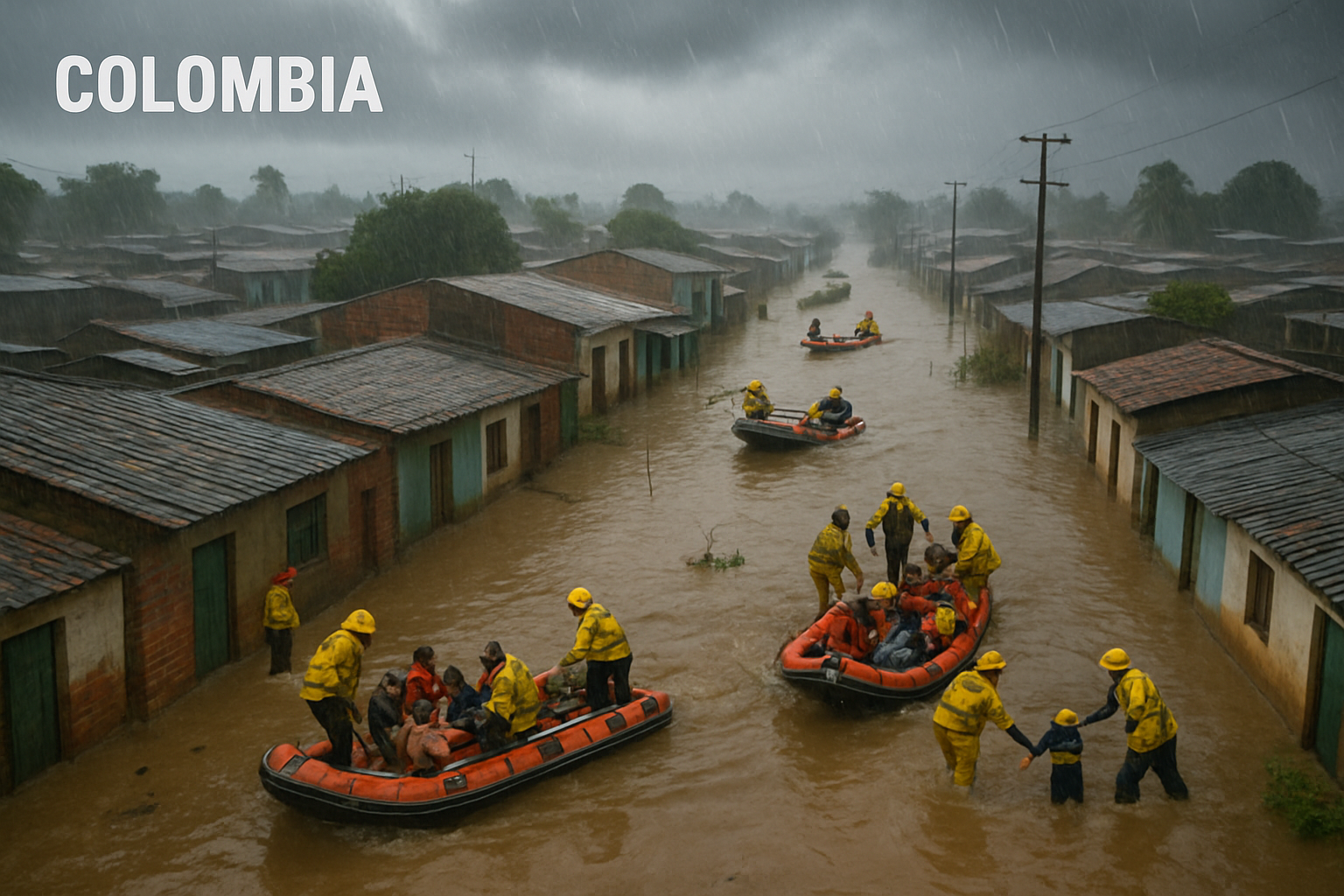
Colombia is grappling with one of its most severe weather emergencies in recent memory, as over 94,000 families have been affected by torrential rains that have struck during what should be the dry season, with Córdoba department bearing the brunt of the devastating flooding.
The unexpected deluge has caught authorities and residents off guard, with Córdoba emerging as the most severely impacted region by the torrential rains that have defied seasonal weather patterns. The crisis has escalated to emergency levels, prompting massive rescue operations and highlighting the country's vulnerability to extreme weather events.
Córdoba Department Hit Hardest by Unexpected Rains
Córdoba department has experienced the worst impact from the unseasonable torrential rains that have devastated the Caribbean coast region. The flooding has been particularly severe as these intense downpours have occurred during what is traditionally the dry season, when the region's infrastructure and drainage systems are least prepared for such volumes of water.
The crisis in Córdoba builds upon previous flooding disasters that have plagued Colombia's Caribbean coast throughout 2026. Historical context reveals that the region has been experiencing increasingly severe flooding events, with earlier incidents in February 2026 claiming lives and destroying thousands of homes across Córdoba and Sucre departments.
Emergency services report that the current flooding surpasses previous incidents in scope and impact, affecting rural and urban communities alike. The Urrá dam's discharge operations have added complexity to the crisis, with significant water releases into the Sinú River system contributing to downstream flooding concerns.
Medellín Faces Separate Storm Emergency
Meanwhile, Colombia's second-largest city, Medellín, has been battling its own weather emergency as severe thunderstorms struck on Saturday afternoon, bringing flooding and dangerous conditions to the metropolitan area. Authorities responded to multiple incidents including fallen trees and sudden water level rises affecting both Medellín and the neighboring municipality of Bello.
The electrical storms in the Medellín valley created hazardous conditions with flash flooding and infrastructure damage. Emergency response teams worked throughout Saturday evening to address the immediate threats posed by the sudden weather deterioration.
The simultaneous crises affecting both the Caribbean coast and the central mountain regions demonstrate the nationwide scope of Colombia's current weather emergency, stretching emergency response capabilities across multiple fronts.
Emergency Response and Government Action
Colombian authorities have mobilized extensive emergency response efforts to address the crisis affecting nearly 100,000 families. The National Unit for Disaster Risk Management (UNGRD) has coordinated rescue operations and humanitarian assistance across the affected regions.
The government is considering declaring a formal emergency status for the Caribbean coast regions, which would unlock additional resources and streamline response efforts. This potential declaration comes as the crisis appears to be escalating beyond the capacity of routine emergency response mechanisms.
Emergency shelters have been established across affected areas, with thousands of families seeking refuge from the rising waters. The Colombian Red Cross has activated donation networks to support families who have lost their homes, with many residents reporting that "the water came to us silently at dawn," leaving them with no time to save their belongings.
Infrastructure Damage and Transportation Disruption
The flooding has caused extensive damage to critical infrastructure across the affected regions. Transportation networks have been severely disrupted, with major highways becoming impassable and hampering both rescue efforts and the delivery of humanitarian aid.
Essential services including electricity, water supply, and communications have been disrupted across large areas. The infrastructure damage recalls previous flooding events that destroyed bridges and isolated communities, demonstrating the recurring vulnerability of Colombian infrastructure to extreme weather.
The Mulatos River bridge collapse, which occurred during previous flooding events between the Urabá-Montería corridor, exemplifies the type of infrastructure failures that can compound emergency situations by cutting off access routes for relief efforts.
Climate Context and Recurring Patterns
The current crisis occurs within the broader context of Colombia's increasing vulnerability to extreme weather events. The flooding during the traditionally dry season represents a concerning departure from normal weather patterns, consistent with global climate volatility trends observed throughout 2026.
January 2026 was confirmed as the hottest month in recorded global history, marking the 18th consecutive month exceeding 1.5°C above pre-industrial levels. This global warming trend has been linked to more volatile regional weather patterns, enabling extreme precipitation events even during seasons when they would not typically occur.
The Caribbean coast region has experienced multiple severe flooding events in recent years, with the current crisis building on previous disasters that have claimed dozens of lives and affected hundreds of thousands of people. The recurring nature of these events highlights the urgent need for enhanced climate adaptation measures.
Economic and Social Impact
The economic impact of the flooding extends across multiple sectors, with agriculture bearing significant losses as flooded fields destroy crops and threaten food security. The timing during harvest season compounds the economic damage to farming communities already struggling with previous weather-related losses.
Educational institutions have been disrupted, with schools serving as emergency shelters and normal academic activities suspended indefinitely. Healthcare services face increased demand while dealing with damaged facilities and access challenges.
The tourism sector, important to Colombia's economy, faces additional challenges as transportation disruptions and damaged infrastructure affect both domestic and international travel. The repeated nature of these flooding events raises concerns about long-term economic resilience in affected regions.
International and Regional Response
The Colombian government has indicated it may seek international assistance if the crisis continues to escalate beyond national response capabilities. The crisis occurs as emergency services worldwide face unprecedented strain from simultaneous extreme weather events across multiple continents.
Regional cooperation mechanisms within Latin America may be activated to provide additional resources and expertise, particularly given the cross-border nature of weather systems affecting the Caribbean basin region.
International climate monitoring agencies are closely watching the development of this crisis as part of broader global weather pattern analysis, seeking to understand the relationship between global warming trends and regional extreme weather intensification.
Recovery Challenges and Future Preparedness
Recovery efforts are expected to take months, with massive reconstruction needed across affected areas. The recurring nature of flooding events in the region raises questions about the effectiveness of current infrastructure design and emergency preparedness measures.
Experts emphasize the need for "building back better" approaches that incorporate climate resilience into reconstruction planning. This includes improved drainage systems, flood-resistant construction standards, and enhanced early warning systems.
The crisis provides an opportunity to reassess Colombia's approach to disaster risk reduction and climate adaptation, particularly in vulnerable coastal and river basin areas that face recurring extreme weather threats.
As Colombia continues to battle this severe flooding crisis, the focus remains on immediate life-saving efforts while longer-term questions about climate adaptation and infrastructure resilience await resolution. The scale of the current emergency, affecting nearly 100,000 families, underscores the urgent need for comprehensive approaches to managing increasing climate volatility in the region.