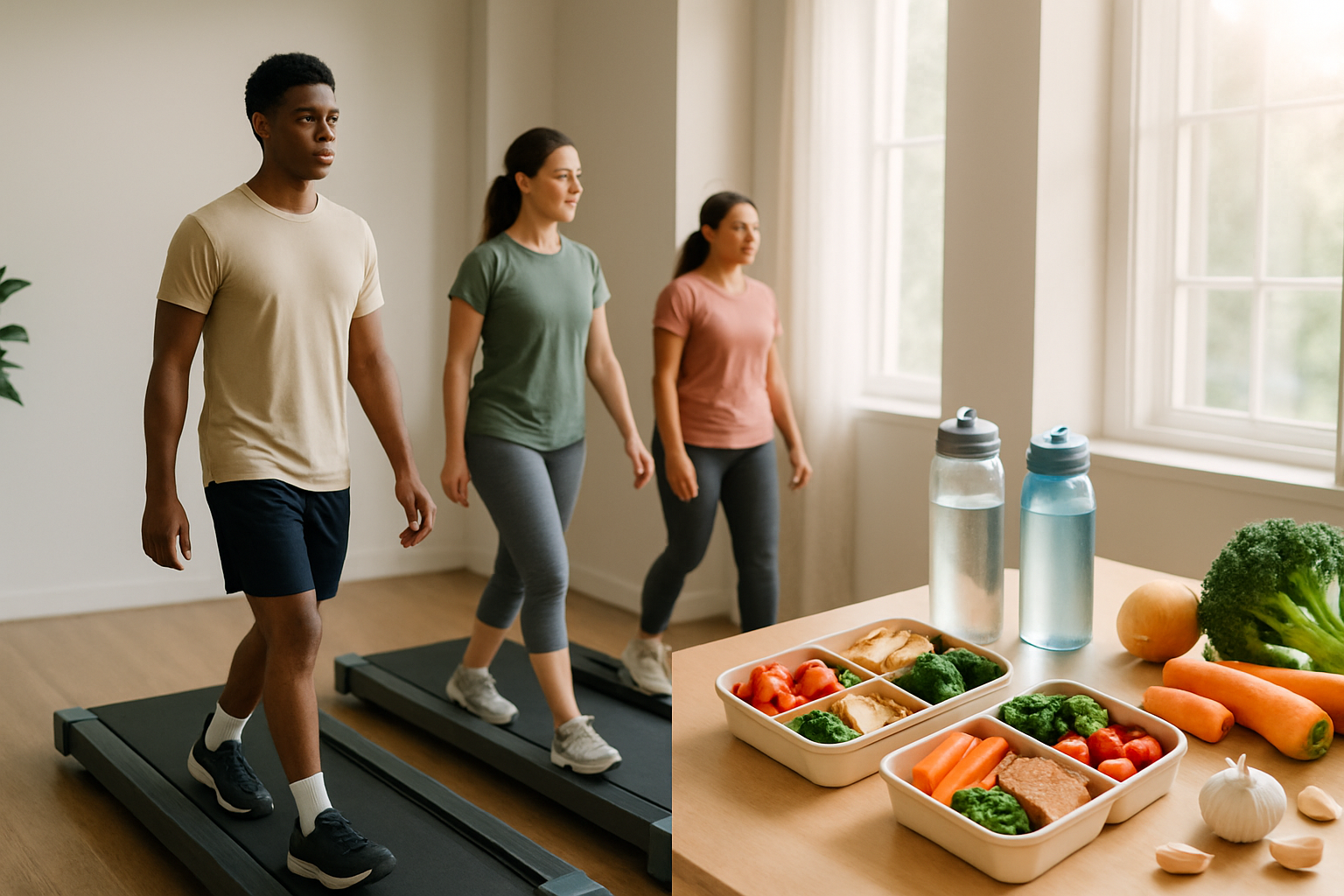
A convergence of innovative wellness practices is reshaping how people approach health and fitness in 2026, with backward walking emerging as a validated exercise trend while health experts emphasize the critical importance of hydration monitoring and strategic nutrition for optimal well-being.
Health professionals across Argentina are documenting significant shifts in wellness consciousness, with three distinct trends gaining scientific backing and mainstream adoption. These developments represent a move toward more nuanced, evidence-based approaches to personal health management that challenge conventional wellness assumptions.
Backward Walking: Breaking Conventional Exercise Patterns
Walking backward has transitioned from novelty exercise to recognized fitness methodology, gaining visibility as an alternative that breaks traditional movement patterns. The practice allows for working muscle groups typically neglected in conventional forward-motion routines, providing comprehensive muscular engagement that standard walking cannot achieve.
The variety of movements inherent in backward walking engages stabilizing muscles, improves balance, and challenges proprioception in ways that forward locomotion does not address. This approach aligns with growing recognition that diverse movement patterns contribute to overall physical resilience and injury prevention.
"The beauty of backward walking lies in its simplicity and effectiveness. It requires no special equipment while providing unique muscular and neurological benefits that complement traditional exercise routines."
— Exercise Physiology Research, Argentina
Early adopters report improved balance, enhanced proprioception, and engagement of posterior chain muscles that often remain underactive in sedentary lifestyles. The practice particularly benefits individuals seeking low-impact exercise alternatives that provide comprehensive muscular activation.
Hydration Science: Reading Your Body's Warning Signs
Medical professionals are emphasizing sophisticated approaches to hydration monitoring, moving beyond simple water intake recommendations to individualized hydration assessment. Dr. Norberto Debbag, a deportologist and cardiologist, has identified urine color as a critical indicator of hydration status, particularly during periods of intense heat.
During extreme temperature conditions, the body activates multiple regulatory mechanisms to maintain core temperature. When these natural cooling systems become insufficient, warning signs emerge that many individuals overlook or misinterpret. Urine color provides immediate, accessible feedback about hydration adequacy without requiring specialized equipment or testing.
The approach represents a shift from generic hydration recommendations toward personalized assessment methods that account for individual variation, climate conditions, activity levels, and overall health status. This methodology acknowledges that hydration needs vary significantly among individuals and circumstances.
Strategic Nutrition for Cognitive Performance
Nutritionist Fiorella Vitelli has highlighted the direct connection between dietary choices and cognitive function, particularly in children returning to academic settings. Her research demonstrates that nutrition impacts neurodesvelopment, immune function, and emotional regulation in ways that extend far beyond basic energy provision.
Strategic meal planning for children requires consideration of sustained energy release, concentration support, and immune system strengthening. The approach moves beyond simple caloric intake toward comprehensive nutritional strategies that support optimal brain function during demanding academic periods.
"Proper nutrition impacta en el neurodesarrollo, en la inmunidad y en la gestión emocional. When children receive appropriate nutrients, they can maintain stable energy levels and support their learning capacity throughout extended school days."
— Fiorella Vitelli, Nutritionist
The research emphasizes that food choices directly influence learning capacity, emotional stability, and physical resilience. Children who receive targeted nutritional support demonstrate improved concentration, better immune responses, and enhanced emotional regulation compared to those consuming conventional diets without strategic planning.
Integration with Global Wellness Revolution
These developments occur within the broader "Therapeutic Revolution of 2026," a global movement toward prevention-first healthcare approaches. The emphasis on simple, accessible interventions reflects growing recognition that sustainable wellness requires practical strategies rather than complex or expensive solutions.
The trends align with international research demonstrating that modest, consistent health interventions often yield better long-term results than dramatic but unsustainable lifestyle changes. This approach prioritizes gradual adaptation and individual variation over one-size-fits-all recommendations.
The movement represents cultural evolution toward wellness practices that honor both traditional wisdom and modern scientific understanding, creating frameworks that are both evidence-based and practically accessible for diverse populations.
Practical Implementation Strategies
Health experts recommend gradual implementation of these practices rather than dramatic lifestyle overhauls. Backward walking can begin with short sessions in safe environments, progressively increasing duration and complexity as balance and confidence improve.
Hydration monitoring requires developing awareness of individual baseline indicators and understanding how various factors influence hydration needs. This approach emphasizes education over rigid rules, enabling individuals to make informed decisions based on their specific circumstances.
Nutritional strategies benefit from advance planning and gradual dietary modifications rather than sudden restrictive changes. The most successful approaches involve adding beneficial foods and practices rather than eliminating preferred options, creating sustainable patterns that support long-term adherence.
Scientific Validation and Future Research
The scientific community is increasingly validating these wellness approaches through peer-reviewed research and clinical observation. Backward walking studies demonstrate measurable improvements in balance, muscle activation patterns, and proprioceptive function compared to conventional exercise routines.
Hydration research continues exploring the relationship between environmental factors, individual physiology, and optimal fluid intake strategies. This work contributes to personalized medicine approaches that acknowledge significant individual variation in physiological responses and needs.
Nutritional neuroscience research is expanding understanding of the food-brain connection, providing evidence-based frameworks for dietary strategies that support cognitive function, emotional regulation, and academic performance in children and adults.
Cultural and Economic Implications
These wellness trends reflect broader cultural shifts toward prevention-focused healthcare that emphasize individual agency and practical interventions. The approaches require minimal financial investment while potentially providing significant health benefits, making them accessible across diverse socioeconomic contexts.
The emphasis on simple, evidence-based practices aligns with economic realities that favor cost-effective health interventions over expensive medical treatments. Prevention-focused strategies demonstrate potential for reducing long-term healthcare costs while improving population health outcomes.
The cultural acceptance of these practices suggests growing health literacy and willingness to adopt scientifically-validated interventions that challenge conventional wellness assumptions.
Looking Forward: Sustainable Wellness Practices
The success of these wellness trends depends on continued research validation, practical implementation support, and cultural integration. Early evidence suggests that simple, accessible interventions may provide more sustainable benefits than complex or restrictive wellness programs.
The approach represents maturation in wellness culture, moving from trend-driven practices toward evidence-based strategies that acknowledge individual variation while providing robust general recommendations. This evolution suggests growing sophistication in public health consciousness and scientific literacy.
As these practices gain broader adoption, continued monitoring and research will help refine implementation strategies and identify optimal approaches for different populations and circumstances, contributing to more effective and accessible wellness strategies for diverse communities worldwide.