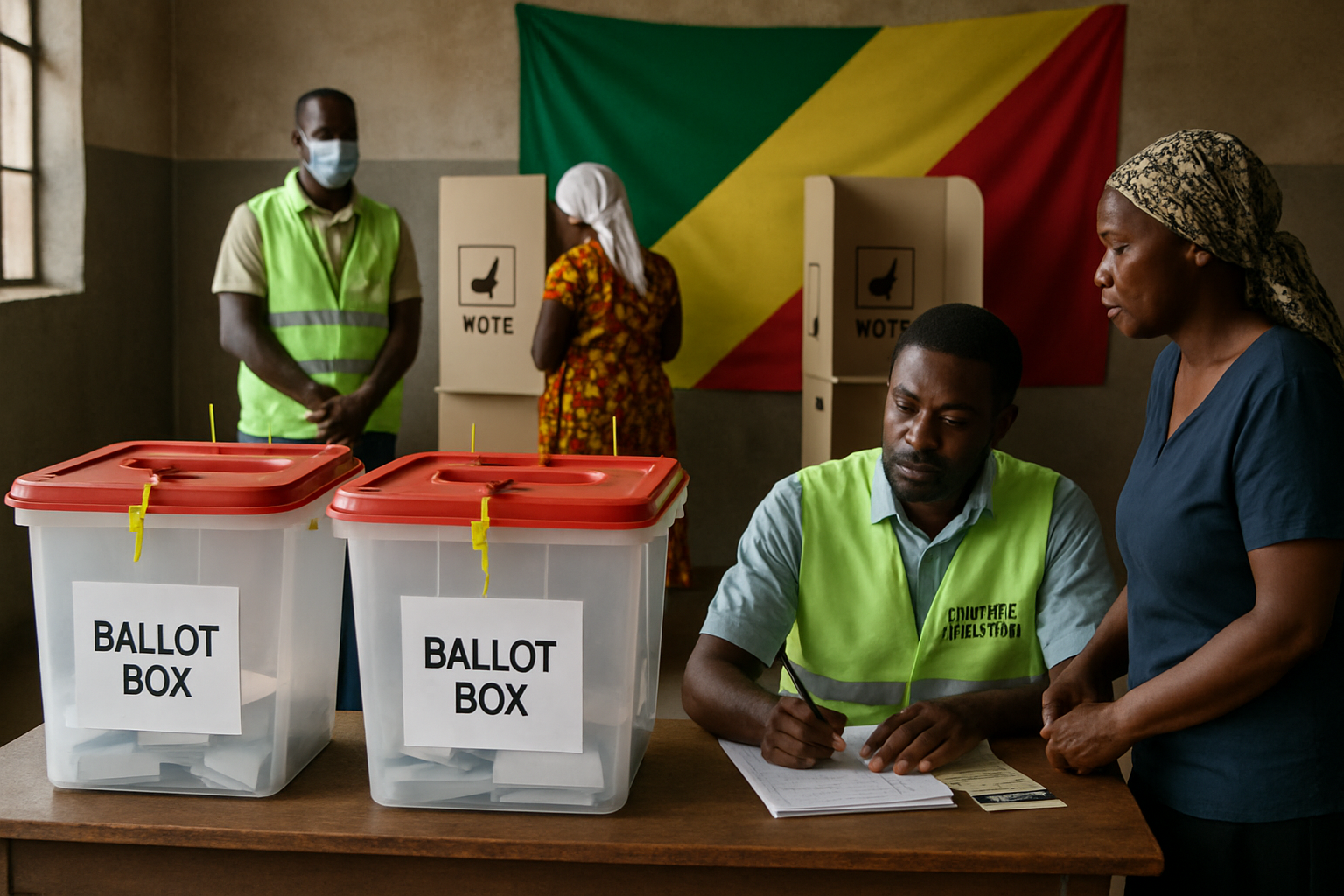
Denis Sassou Nguesso has been reelected for a fifth consecutive term as President of the Republic of Congo, securing a landslide victory with 94.82% of votes cast, according to provisional results announced Tuesday, March 17, 2026.
The 82-year-old incumbent's overwhelming victory, announced by Interior Minister Raymond Zéphirin Mboulou, extends Sassou Nguesso's rule to an unprecedented 42 years, cementing his position as one of Africa's longest-serving leaders. The result means he will govern until 2030, making him comparable to leaders like Cameroon's Paul Biya and Equatorial Guinea's Teodoro Obiang in terms of longevity.
Electoral Context and Opposition Response
The election took place against a backdrop of significant controversy, with the main opposition parties boycotting the vote and describing it as a "farce." This boycott largely explains the extraordinarily high victory margin, as Sassou Nguesso faced minimal organized competition from the seven candidates who did participate in the uninominal two-round system.
Nearly 2.5 million voters were registered for the election, though multiple international sources reported notably low turnout across polling stations throughout the country. The opposition's strategic absence from the ballot created an electoral environment where the incumbent's victory was virtually assured from the outset.
Historical Context of Sassou Nguesso's Rule
Sassou Nguesso first assumed power in 1979 and governed until 1992 before returning to office in 1997 following a civil war. His four decades of rule span multiple generations of Congolese citizens, making him a defining figure in the nation's post-independence political landscape.
The president's longevity in office has been enabled through constitutional changes that removed term limits, a pattern seen across several African nations in recent years. His rule has been characterized by promises of stability in a region marked by frequent political upheavals and conflicts.
"This victory represents continuity and stability for our nation in these challenging times,"
— Denis Sassou Nguesso, President-elect
International Scrutiny and Democratic Concerns
The election has drawn international attention, with observers closely monitoring the conduct of the electoral process. The overwhelming victory margin, combined with the opposition boycott, has raised questions about the quality of democratic competition in Congo-Brazzaville.
France 24 reported that the election took place with "the main opposition boycotted the vote, describing it as a farce," highlighting the polarized political environment. Al Jazeera noted that this election success "will extend his nearly 42 years in power," emphasizing the historical significance of Sassou Nguesso's continued dominance.
Economic and Social Challenges Ahead
Despite its oil wealth, Congo-Brazzaville faces significant economic challenges that the new administration will need to address. Youth unemployment remains high, and there is widespread recognition of the need for economic diversification beyond the petroleum sector that has long dominated the national economy.
The country's oil revenues, while substantial, have not translated into broad-based economic development or significant improvements in living standards for many citizens. Infrastructure development, healthcare systems, and educational opportunities remain areas requiring substantial government attention and investment.
Regional Implications and African Governance
Sassou Nguesso's victory carries significance beyond Congo-Brazzaville's borders, reflecting broader debates about democratic governance and leadership transitions across Africa. His continued rule contributes to discussions about term limits enforcement and the evolution of democratic institutions on the continent.
The election outcome occurs within the context of the African Continental Free Trade Area (AfCFTA) implementation, where regional cooperation and governance stability are increasingly important for economic integration. Congo-Brazzaville's political trajectory will influence its participation in continental initiatives and partnerships.
Looking Forward: Governance Priorities for 2026-2030
As Sassou Nguesso begins his fifth consecutive term, several key priorities emerge for his administration. Economic diversification remains critical, with the need to reduce dependency on oil revenues while developing alternative sectors including agriculture, manufacturing, and services.
Infrastructure development presents both opportunities and challenges, particularly given the country's participation in regional connectivity projects. The administration will need to balance domestic development needs with regional integration requirements under various African Union and Central African initiatives.
Constitutional and Institutional Framework
The electoral system that enabled this victory operates within Congo-Brazzaville's constitutional framework, which has been modified over the years to accommodate extended presidential terms. The uninominal two-round system used in this election reflects French colonial institutional influences while adapting to local political realities.
International observers continue to monitor how democratic institutions function in practice, particularly regarding checks and balances, press freedom, and civil society space. These factors will significantly influence how the international community engages with Congo-Brazzaville during the coming term.
Conclusion: Continuity and Challenges
Denis Sassou Nguesso's fifth-term victory represents both continuity and the persistence of governance challenges in Central Africa. While his supporters emphasize stability and experience, critics question the quality of democratic competition and the long-term implications of prolonged single-party rule.
The overwhelming electoral margin, achieved amid opposition boycotts, reflects a political system where meaningful competition remains limited. As Congo-Brazzaville moves forward, the key question will be whether the administration can address fundamental economic and social challenges while strengthening democratic institutions for sustainable governance.
The international community will likely continue monitoring developments in Congo-Brazzaville, particularly regarding regional stability, democratic governance standards, and economic cooperation opportunities. The president's fifth term will ultimately be judged on its ability to deliver tangible improvements for the Congolese people while navigating complex regional and global dynamics.