Two congressmen from opposing parties have revealed the names of six wealthy and powerful men previously redacted in Jeffrey Epstein documents, intensifying pressure on the Justice Department for full transparency as the global elite criminal network exposure enters its most critical phase.
Democrat Ro Khanna of California and Republican Thomas Massie of Kentucky disclosed the identities after accessing unredacted materials at the Justice Department, according to multiple international reports. The bipartisan revelation represents a significant escalation in congressional oversight of what law enforcement agencies describe as "the largest international elite criminal network exposure in recent memory."
Among the six names disclosed are billionaire Leslie Wexner and Emirati businessman Sultan Ahmed bin Sulayem. The congressmen also revealed that one individual is described as "quite high up in a foreign government," while the others span different nationalities according to their review of the classified materials.
Congressional Pressure Intensifies
The disclosure comes as Attorney General Pam Bondi faces mounting criticism for extensive redactions in the Justice Department's release of over 3 million pages of Epstein-related documents. During explosive congressional testimony, Bondi defended the department's handling of the files, stating officials "painstakingly reviewed reams of documents on compressed timeline" while working to "protect victims."
However, lawmakers from both parties have expressed frustration with what they characterize as excessive redactions that go beyond the exemptions allowed under federal legislation passed specifically to mandate the release of these documents. The congressional criticism has been particularly sharp given the stark contrast between protecting the identities of associates while accidentally exposing approximately 100 survivor identities, including 31 minors.
Representative Jamie Raskin and other Democratic members have accused the Justice Department of conducting a "cover-up" and transforming the agency into an "instrument of revenge" for political purposes. The hearings, attended by multiple Epstein survivors, added emotional weight to demands for accountability.
Global Network Revelations
The congressional disclosures are part of a broader international crisis that has engulfed political figures across multiple continents. Documents reveal an unprecedented network spanning American properties to European capitals, with systematic cultivation of relationships among politics, business, and entertainment figures.
In Norway, Crown Princess Mette-Marit is mentioned over 1,000 times in the documents and faces potential criminal investigation by Økokrim, the country's financial crime unit. The scandal has prompted the first institutional rejection of royal partnerships in modern Norwegian history, with the organization Sex og Samfunn terminating all collaborative arrangements.
France has launched criminal investigations into former Culture Minister Jack Lang for "aggravated tax fraud money laundering" involving a €50,000 offshore transfer connected to Epstein. The revelations forced Lang's resignation from his position as president of the Arab World Institute after appearing 673 times in the documents.
The United Kingdom faces its own government crisis as Metropolitan Police have searched the properties of Peter Mandelson, investigating allegations that he leaked government information to Epstein during the 2008 financial crisis while serving as Business Secretary. Prime Minister Keir Starmer's chief of staff resigned taking "full responsibility" for the controversial US ambassador appointment despite Mandelson's Epstein connections.
Baltic Trafficking Networks Exposed
International investigations have revealed evidence of systematic recruitment operations across the Baltic states. Latvia has launched a human trafficking investigation into the "Natalie" modeling agency, which President Egils Levits has declared a national priority. Poland's Justice Minister confirmed finding "traces that recruitment of women, possibly minors, took place in Poland."
The coordinated investigation spans Lithuania and Estonia, where authorities are examining what appears to be a transnational criminal enterprise targeting young women for exploitation in the United States. Estonian officials noted the country is mentioned over 200 times in the documents, with an "agent" allegedly operating across all three Baltic countries.
Prosecution Failures and Victim Protection Crisis
Despite the massive scope of evidence revealed, Deputy Attorney General Todd Blanche has confirmed that no new federal prosecutions are planned, citing "technical and human errors" in the handling of the case. This announcement came as the Justice Department faced severe criticism for catastrophic failures in victim protection.
The department accidentally exposed the identities of approximately 100 survivors, including 31 minors, revealing nude photos, bank account numbers, and Social Security numbers despite court-ordered redactions. Federal judges are now hearing emergency petitions over this massive confidentiality breach, which threatens to undermine future victim cooperation with law enforcement.
The contrast between protecting associate identities while exposing victims has become a central point of congressional criticism. Survivors and their advocates have condemned what they describe as a "disastrous release" that re-victimizes abuse survivors who were promised anonymity.
Maxwell's Strategic Clemency Offer
Adding another layer of complexity to the unfolding crisis, Ghislaine Maxwell has offered to provide congressional testimony in exchange for presidential clemency from Trump. Maxwell's legal team claims she can "exculpate" both Trump and Bill Clinton from certain allegations, creating a constitutional dilemma over the use of presidential pardons for politically beneficial testimony.
Maxwell appeared via video link from Texas federal prison and invoked her Fifth Amendment rights, but her attorneys indicated she would "answer questions if President Trump grants her clemency." This development raises significant questions about obstruction of justice and the abuse of presidential pardon power for personal gain.
International Cooperation and Democratic Accountability
The crisis represents a critical test of democratic institutions' ability to address transnational elite criminal networks. Enhanced cooperation has emerged across European jurisdictions with unprecedented coordination and information sharing among law enforcement agencies.
Six countries are currently conducting active investigations related to the Epstein network, setting important precedents for international justice cooperation in the 21st century. However, significant obstacles remain, including diplomatic immunity protections, jurisdictional complexity, and institutional resistance to accountability measures.
The revelations have prompted comprehensive relationship reviews by cultural organizations worldwide, with constitutional monarchies reassessing their protocols for royal associations. The Norwegian royal family's crisis has become a particular focus, with experts describing it as the "largest royal scandal in modern history."
Congressional Next Steps
The bipartisan disclosure by Congressmen Khanna and Massie represents only the beginning of intensified congressional oversight. Both lawmakers are petitioning the Justice Department to publicly disclose all six identities they reviewed in the unredacted files, arguing that the public interest in transparency outweighs privacy concerns for individuals connected to a major criminal network.
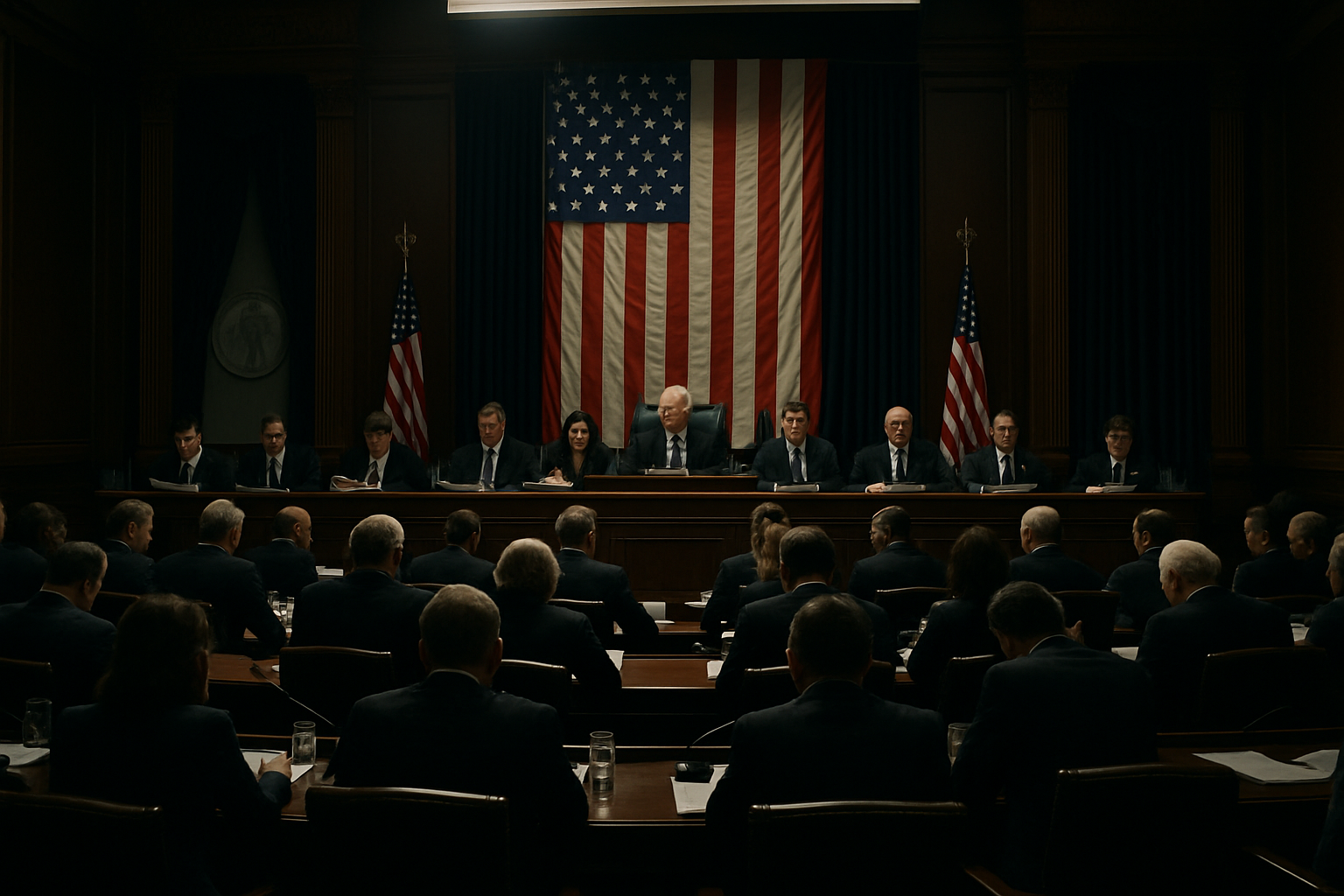
House Oversight Committee hearings are expected to continue, with additional document declassification pending. The committee has also subpoenaed multiple former Justice Department officials, including previous attorneys general and FBI directors, as part of a comprehensive investigation into the handling of the Epstein case across multiple administrations.
The Clinton testimony agreement, reached after months of resistance, will focus on Bill Clinton's documented flights on Epstein's private aircraft and both Clintons' knowledge of criminal activities. The testimony will be conducted under oath with full public transcripts, representing a significant victory for Republican-led oversight efforts.
Long-term Implications
The ongoing revelations have fundamentally altered the international political landscape, forcing a global reckoning with the intersection of power, privilege, and criminal behavior at the highest levels of society. The case serves as an existential challenge to democratic institutions' credibility and moral authority.
The ultimate test will be whether these investigations produce meaningful accountability and systemic reforms that prevent similar networks from operating with impunity in the future. The enhanced international cooperation developed in response to this crisis may establish new frameworks for addressing transnational elite criminal behavior.
As congressional pressure intensifies and international investigations expand, the coming months will prove decisive in determining whether democratic institutions can effectively hold powerful figures accountable across borders, regardless of their political connections, financial resources, or international standing. The stakes could not be higher for the rule of law and democratic governance in the 21st century.