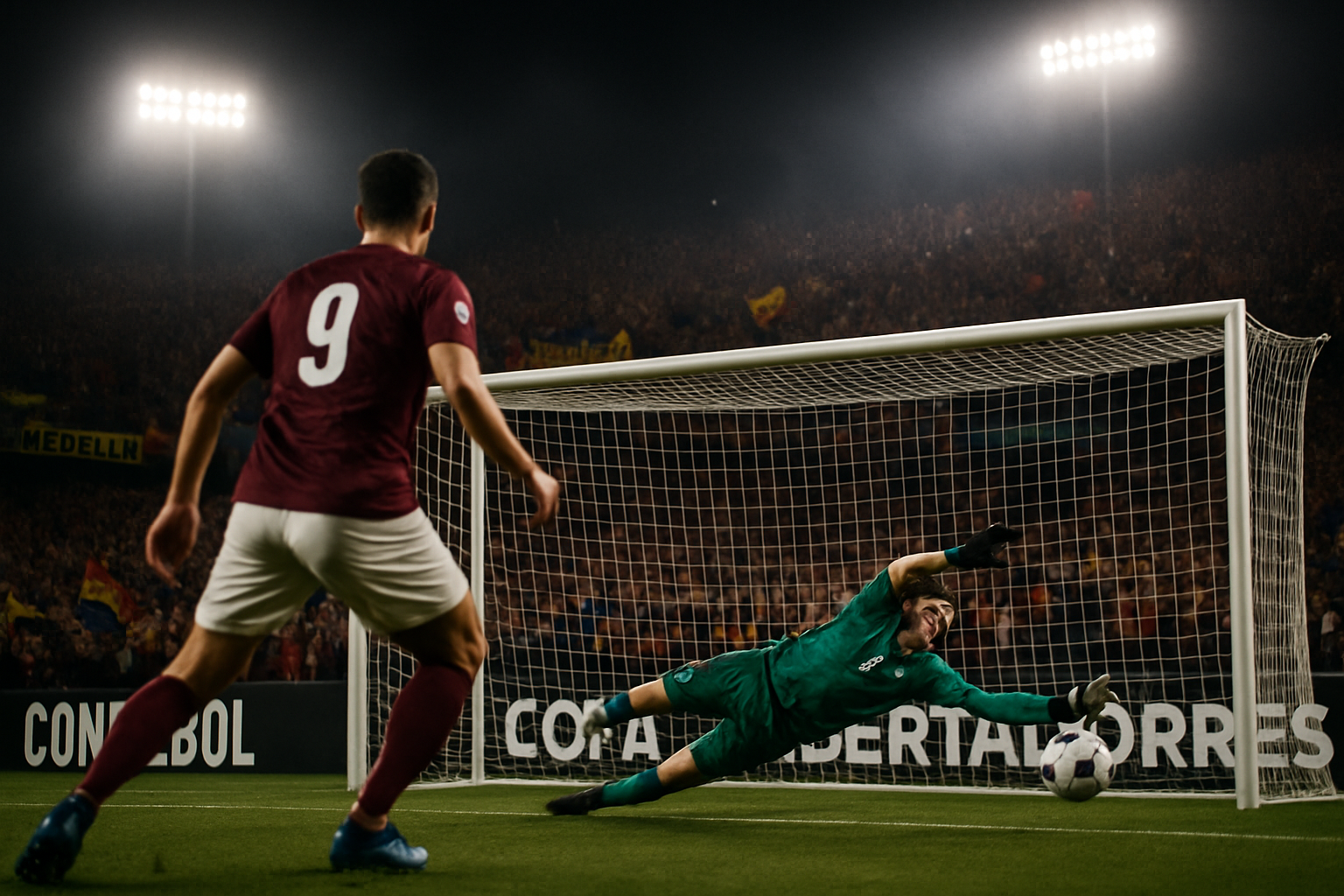
South American football delivered its trademark drama as Sporting Cristal and Deportes Tolima advanced to the Copa Libertadores group stage through contrasting but equally thrilling victories in Phase 3 qualifying on March 11, 2026.
The evening's most dramatic encounter saw Sporting Cristal survive an emotional roller coaster at Lima's Estadio Matute, defeating Venezuelan side Carabobo 3-2 on penalties after a pulsating 2-2 draw that left the aggregate score level at 2-2. The Peruvian "Cerveceros" demonstrated remarkable resilience, overturning a 2-0 deficit to force extra time in a match that epitomized the unpredictable nature of South American continental competition.
Cristal's Dramatic Comeback in Enemy Territory
In a twist of football fate, Sporting Cristal were forced to play their decisive home leg at the stadium of their arch-rivals Alianza Lima, after the Estadio Nacional became unavailable due to concert damage to the pitch. This unusual circumstance added an extra layer of complexity to what was already a high-stakes encounter.
Carabobo appeared to be cruising toward the group stage when Édson Castillo struck twice in the opening 29 minutes, giving the Venezuelan visitors a commanding 2-0 lead that put them ahead 2-1 on aggregate. The "Granate" side seemed content to defend their advantage, sitting deep and waiting for counter-attacking opportunities while protecting what appeared to be a sufficient cushion.
However, Sporting Cristal's championship pedigree emerged in the second half. Just five minutes after the restart, Maxloren Castro broke through Carabobo's defensive wall, scoring the crucial goal that changed the entire complexion of the tie. The Peruvian side's persistence paid dividends as they continued pressing for the equalizer that would force penalties.
"The team showed incredible character tonight. Playing at Matute added pressure, but we used it as motivation to fight until the very end."
— Sporting Cristal Captain
The dramatic leveling goal arrived when Cristal's relentless pressure finally broke Carabobo's resistance, sending the match to the penalty shootout that would determine continental participation. In the high-pressure environment of spot kicks, Sporting Cristal held their nerve to prevail 3-2, securing their place in the Copa Libertadores group stage and continuing Peru's proud tradition in South America's premier club competition.
Tolima's Clinical Display in Ibagué
Meanwhile in Colombia, Deportes Tolima produced a more controlled but equally impressive performance, defeating Chilean side O'Higgins 2-0 at the Estadio Manuel Murillo Toro in Ibagué. The "Vinotinto y Oro" entered the match with a slender 1-0 deficit from the first leg, requiring a victory to advance on aggregate.
Junior Hernández provided the breakthrough moment in the 38th minute with a spectacular left-footed volley that demonstrated the technical quality that has made South American football famous worldwide. The goal not only leveled the aggregate score but also shifted the psychological momentum firmly in Tolima's favor.
The Colombian side's tactical approach proved decisive, with Hernández later explaining their game plan to ESPN: "During the days we were training, we knew the game was on the outside, because they closed a lot inside. Thanks to that, the goal opportunities came."
Juan Pablo Torres sealed the victory with a perfectly executed counter-attack in the 87th minute, finishing a move that began with Jader Valencia's initiative. The late goal not only secured Tolima's 2-1 aggregate victory but also showcased the devastating effectiveness of South American counter-attacking football.
Continental Competition Reaches Climax
These qualifying victories represent the culmination of months of continental competition that have seen clubs from across South America battle for the right to compete alongside the continent's elite. The Copa Libertadores has long been regarded as one of the world's most challenging club competitions, with its combination of passionate atmospheres, tactical sophistication, and unforgiving travel schedules.
Both Sporting Cristal and Deportes Tolima now await Thursday's group stage draw for the 2026 Copa Libertadores, which will determine their opponents and path toward potential continental glory. The clubs that fail to advance from Phase 3 qualifying will be relocated to the eight groups of the Copa Sudamericana, ensuring their continental journey continues in South America's secondary competition.
Historical Context and Significance
These qualifying matches continue a rich tradition of Copa Libertadores drama that has produced some of the most memorable moments in football history. The competition's format, which includes multiple qualifying rounds, ensures that smaller clubs have opportunities to test themselves against established continental powers, creating the potential for upsets that have become synonymous with South American football.
Sporting Cristal's advancement maintains Peru's strong representation in the group stage, building on a tradition that has seen Peruvian clubs consistently compete at the highest level of South American football. The club's ability to overcome adversity, including the unusual circumstance of playing at their rivals' stadium, demonstrates the mental fortitude required to succeed in continental competition.
For Deportes Tolima, reaching the group stage represents another chapter in Colombian football's growing prominence on the continental stage. The club's tactical discipline and clinical finishing against O'Higgins exemplified the modern approach that has made Colombian teams increasingly competitive in international tournaments.
Looking Ahead to Group Stage Glory
As the dust settles on another dramatic round of Copa Libertadores qualifying, both Sporting Cristal and Deportes Tolima can look forward to testing themselves against South America's elite clubs in the group stage. The draw will determine whether they face established giants like Boca Juniors, River Plate, or Flamengo, or get the opportunity to build momentum against other qualifying sides.
The competition's group stage promises to deliver the same level of intensity and unpredictability that characterized these qualifying matches. With passionate fan bases, tactical innovation, and individual brilliance combining to create football's most authentic expression, the 2026 Copa Libertadores group stage is set to continue the tournament's reputation as the ultimate test of South American football excellence.
For clubs like Sporting Cristal and Deportes Tolima, reaching the group stage represents not just sporting achievement but also significant financial opportunity, with prize money and television revenue providing crucial resources for squad development and infrastructure improvement. Their successful navigation of the qualifying process demonstrates the depth and competitiveness that continues to make the Copa Libertadores one of world football's premier competitions.