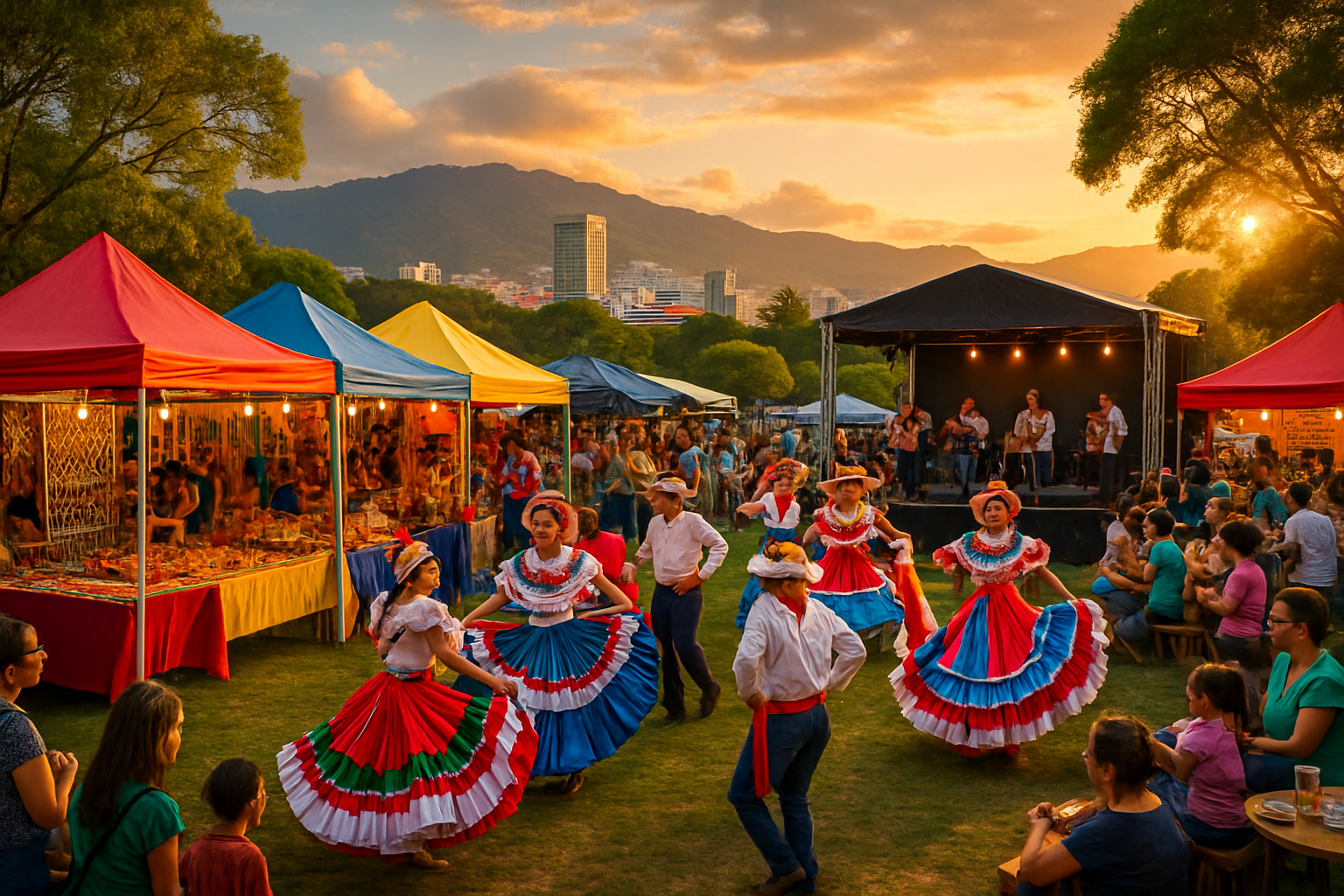
Costa Rica's sprawling La Sabana park is undergoing final preparations to host the International Arts Festival (IAF) 2026, a nine-day celebration of music, dance, crafts, and culinary traditions that will transform San José's urban oasis into a vibrant cultural epicenter from March 20-29.
The festival represents the latest chapter in Costa Rica's remarkable cultural renaissance, building on the country's historic fourth-place ranking in the 2026 World Happiness Report—the highest position ever achieved by a Latin American nation. This positioning reflects the country's sophisticated approach to cultural programming as strategic infrastructure for community development and international recognition.
A Cultural Showcase in Costa Rica's Heart
The IAF will take place in the expansive area adjacent to the Costa Rican Art Museum, where the main stage for numerous concerts has been positioned alongside stalls selling food, clothing, books, jewelry, and handicrafts from both Costa Rica and participating international countries. This strategic location leverages La Sabana's role as San José's premier public space while providing easy access for the expected thousands of daily visitors.
The festival's diverse programming reflects the broader "February 2026 Cultural Renaissance" documented across multiple continents, where authentic cultural expression has emerged as both a community-building tool and economic development strategy. Costa Rica's approach exemplifies this global trend by combining traditional heritage preservation with contemporary innovation and international collaboration.
Building on Cultural Leadership
Costa Rica's IAF 2026 builds directly on the success of the 37th International Arts Festival held in March 2020, which featured 70 artistic activities and over 450 artists from 12 countries. That event, held under the leadership of Minister Jorge Rodríguez, established Costa Rica as a regional cultural tourism leader through sustained cultural policy creating lasting infrastructure.
The 2026 iteration promises to expand on this foundation with what organizers describe as a "varied and free" schedule of activities designed to appeal to diverse audiences while maintaining the authentic cultural expression that has become Costa Rica's trademark in the global cultural community.
International Context and Collaboration
The timing of IAF 2026 positions Costa Rica within a remarkable period of global cultural coordination. The festival coincides with unprecedented international cultural activity documented across six continents, where communities are recognizing culture as essential infrastructure equivalent to transportation and communication systems.
"This urban oasis will become the epicenter of music, dance, crafts, and food vendors," organizers emphasized, highlighting the transformation of La Sabana from everyday recreational space to international cultural destination.
— IAF 2026 Festival Organizers
The festival's international character reflects Costa Rica's strategic cultural diplomacy approach, which has generated substantial benefits through cultural tourism, creative industry development, and enhanced diplomatic relationships. This model has proven particularly effective for smaller nations achieving global cultural impact through authentic programming that respects local identity while engaging international audiences.
Economic and Community Impact
Cultural festivals like IAF generate significant economic multiplier effects extending beyond immediate tourism revenue. The nine-day event is expected to create employment across multiple sectors including performance, production, hospitality, marketing, and vendor support while establishing year-round cultural infrastructure through artist networks, community organizations, and international partnerships.
Costa Rica's success in cultural tourism development has been documented through its achievement of 602,960 international arrivals in the first two months of 2026, representing a 14.1% increase versus 2025 and marking the fifth consecutive month of growth. This positions the country as a premier eco-tourism and cultural destination through environmental conservation programs combined with community-based cultural initiatives.
Technology Meets Tradition
The festival exemplifies the successful technology-tradition synthesis that characterizes the 2026 cultural renaissance. Digital platforms and social media will enable global sharing of performances and experiences while maintaining the authentic community engagement that gives cultural events their essential meaning and social significance.
This approach allows international visitors and Costa Rican diaspora communities to participate virtually while preserving the face-to-face interactions, traditional craft demonstrations, and live performances that create lasting cultural impact. The model has proven successful across multiple continents where communities have embraced digital tools as enhancement rather than replacement for authentic cultural expression.
A Template for Cultural Development
IAF 2026 represents more than entertainment; it establishes precedents for 21st-century cultural stewardship that successfully balances heritage preservation with contemporary innovation, local authenticity with global cooperation, and economic viability with cultural integrity.
The success factors evident in Costa Rica's approach—community leadership, authentic representation, strategic technology integration, and international cooperation—provide a practical template adaptable to diverse cultural and economic circumstances worldwide. This model demonstrates how thoughtful cultural investment creates lasting positive impact that honors historical traditions while embracing future possibilities.
Looking Forward
As La Sabana prepares to welcome thousands of visitors for nine days of cultural celebration, the festival represents Costa Rica's continued leadership in demonstrating culture as fundamental infrastructure for human flourishing, international understanding, and sustainable community development.
The IAF 2026 occurs during what cultural analysts have identified as a watershed moment for global cultural cooperation, where communities worldwide are recognizing the strategic value of authentic cultural programming in creating competitive advantages, community resilience, and international relationships that transcend traditional diplomatic frameworks.
For visitors and participants, the festival promises to showcase the best of Costa Rican cultural heritage while providing a window into the country's vision for cultural development that serves both local communities and international audiences seeking meaningful, authentic cultural experiences in an increasingly interconnected world.