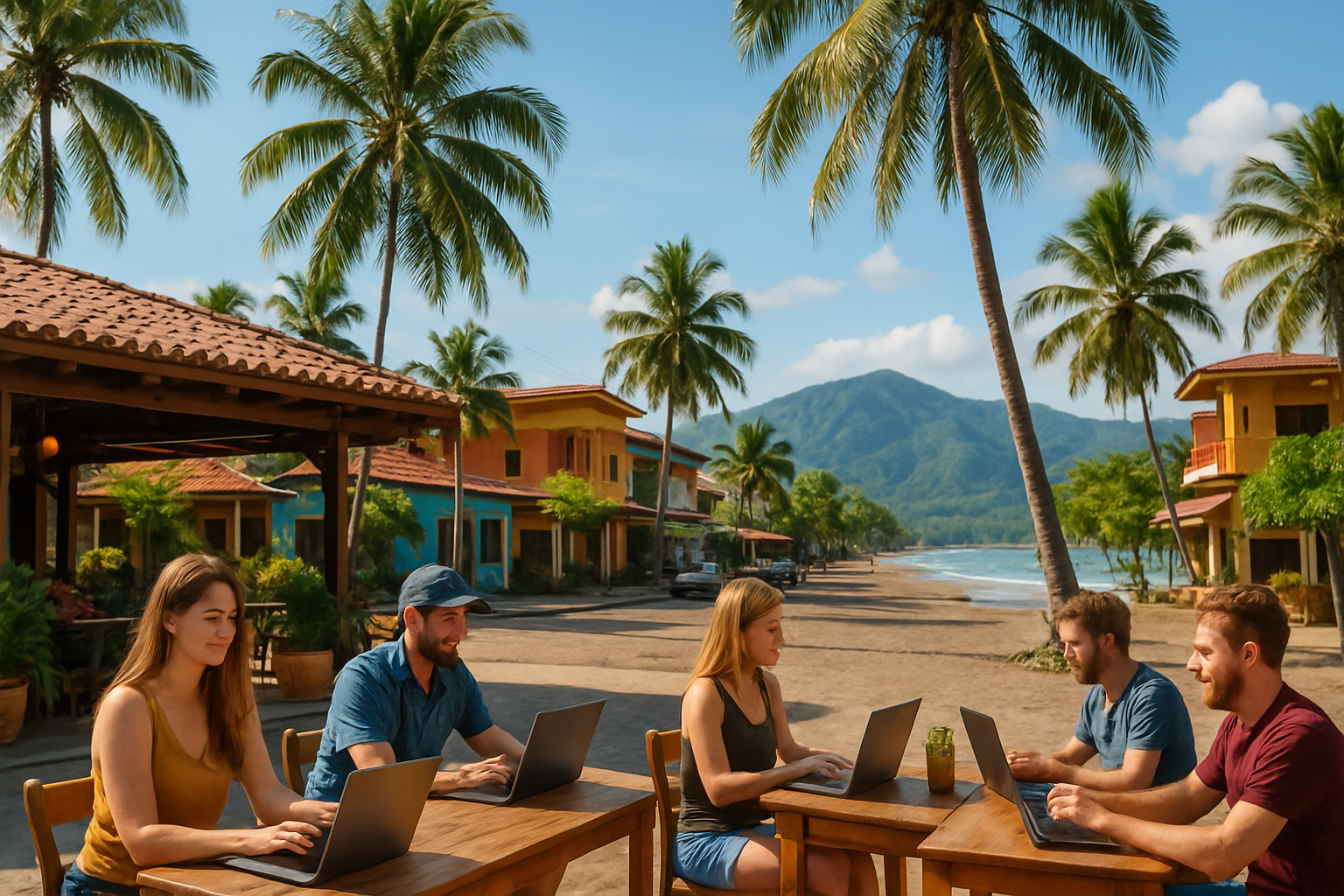
A growing number of Americans are quietly asking themselves a transformative question: "What if I just left?" According to a comprehensive Forbes analysis, Costa Rica has emerged as the answer for thousands, establishing itself as the premier destination for Americans looking to relocate abroad in 2026.
The trend reflects a convergence of factors fundamentally reshaping American perspectives on international living. Rising living costs, urban fatigue, and the democratization of remote work have created what analysts describe as a "perfect storm" driving unprecedented interest in overseas relocation. Costa Rica, with its unique combination of democratic stability, natural beauty, and welcoming immigration policies, has positioned itself at the forefront of this movement.
The New American Exodus
The phenomenon isn't driven by sudden impulse but represents the culmination of multiple pressures reshaping American life. Soaring housing costs in major metropolitan areas, combined with the permanent shift toward remote work capabilities, have fundamentally altered the calculus of where Americans choose to live. The ability to maintain U.S.-based income while enjoying significantly lower living costs abroad has become increasingly attractive to a growing demographic.
"There's a question that more and more Americans are quietly asking themselves, between scrolling through social media and working remotely: What if I just left?" the Forbes analysis notes. "It's not a sudden impulse. It's the result of a series of factors. Rising living costs, the wear and tear of big-city life, and a new reality—the ability to work from anywhere—are changing the game."
Costa Rica's appeal extends beyond mere economics. The country's democratic traditions, established since 1948, provide political stability that many Americans find reassuring in an era of increasing domestic uncertainty. Unlike many expatriate destinations that require significant lifestyle compromises, Costa Rica offers a sophisticated infrastructure while maintaining the natural beauty and "pura vida" lifestyle that originally attracted visitors.
A Proven Track Record of Success
Recent developments have reinforced Costa Rica's position as an ideal relocation destination. The country achieved 602,960 international arrivals in the first two months of 2026, representing a 14.1% increase over 2025 and marking the fifth consecutive month of tourism growth. This success reflects broader infrastructure investments and policy initiatives designed to attract long-term residents rather than just short-term visitors.
The country's recognition as the world's number one destination for solo female travelers in 2026, according to BBC rankings, demonstrates its exceptional safety credentials. This designation, based on the Women, Peace, and Security Index and comprehensive traveler satisfaction surveys, highlights Costa Rica's investment in community security initiatives and sustainable tourism practices that benefit both visitors and residents.
Costa Rica's 4th place ranking in the 2026 World Happiness Report—the highest Latin American ranking ever achieved—provides additional validation of the quality of life available to residents. This recognition, combined with sustained economic growth and environmental protection initiatives, creates a compelling case for long-term relocation.
Strategic Infrastructure and Innovation
Costa Rica's government has demonstrated sophisticated understanding of the American relocator market through targeted policy initiatives and infrastructure development. The recent approval of the country's first implantable brain-computer interface system, positioning Costa Rican neurotechnology companies as serious competitors in the global market, exemplifies the nation's commitment to technological advancement.
The University of Costa Rica's breakthrough in antibiotic resistance detection, developing systems specifically designed to address Latin American healthcare gaps, demonstrates the country's focus on practical innovation that benefits residents. These medical advances, combined with the country's universal healthcare system, address key concerns Americans have about international healthcare access.
The establishment of Central America's first Outsourced Sterilization Services Center represents another milestone in Costa Rica's healthcare infrastructure evolution, providing specialized medical services that meet international standards while maintaining cost advantages that benefit both locals and expatriates.
Environmental Leadership and Lifestyle Appeal
Costa Rica's environmental credentials provide a powerful draw for environmentally conscious Americans. The country's successful attachment of the first satellite tracking device to a whale shark in Costa Rican waters, achieved by the Misión Tiburón organization in March 2026, demonstrates ongoing commitment to marine conservation science during a critical period of global environmental challenge.
The early arrival of record numbers of leatherback turtles at Tortuguero National Park and Gandoca-Manzanillo Wildlife Refuge—beginning 10 days earlier than usual in 2026—showcases the country's success in wildlife protection efforts. These "dinosaurs of the deep," swimming in oceans for over 100 million years, represent the kind of natural heritage that appeals to Americans seeking meaningful connections with the environment.
La Lima Free Trade Zone's achievement of the Essential COSTA RICA Country Brand license recognition for sustainability, innovation, and job creation demonstrates how the country balances economic development with environmental responsibility. The zone's track record of creating over 10,000 direct jobs and generating $817+ million in annual exports while maintaining sustainability standards provides a model for responsible development that benefits both the economy and environment.
Cultural Integration and Community
Costa Rica's approach to cultural integration distinguishes it from many expatriate destinations. The country's Chinese New Year celebrations, featuring free cultural activities organized through collaboration between the Chinese Colony Association, Municipality of San José, and Chinese Embassy, demonstrate how Costa Rica embraces cultural diversity while maintaining its distinct identity.
The 37th International Arts Festival, featuring over 450 artists from 12 countries and 70 artistic activities, represents the kind of cultural sophistication that appeals to educated American relocators. These events, supported by sustained cultural policy creating lasting infrastructure, provide expatriates with rich cultural experiences while contributing to community development.
Costa Rica Fashion Week 2026, featuring innovative presentations like visual artist Man Yu's "Closet Humano Fashion Show," demonstrates the country's evolution beyond traditional tourism toward sophisticated cultural experiences. Such events provide American residents with access to cutting-edge cultural programming while supporting local creative industries.
Economic Opportunities and Business Environment
The economic landscape for American relocators has become increasingly favorable. Costa Rica's strategic position as a bridge between North and South America, combined with its educated workforce and stable democratic institutions, creates opportunities for American entrepreneurs and remote workers alike.
The country's success in attracting 19 multinational companies from six countries to La Lima Free Trade Zone demonstrates its appeal to international business operations. For Americans considering relocation, this business-friendly environment provides opportunities for entrepreneurship, employment with international companies, or simply the infrastructure support necessary for remote work with U.S.-based employers.
Recent archaeological discoveries, including giant sloth and mastodon fossils estimated to be 10,000-40,000 years old discovered near Cartago province, highlight Costa Rica's potential for scientific tourism and research opportunities. Such discoveries contribute to the country's reputation as a center for scientific excellence, appealing to educated Americans seeking intellectually stimulating environments.
Practical Advantages for American Relocators
Costa Rica's practical advantages for American relocators extend beyond lifestyle appeal to encompass concrete benefits that facilitate successful transitions. The country's dollarization policies and widespread English proficiency reduce common barriers faced by Americans living abroad. The proximity to the United States—just a few hours' flight from major American cities—maintains crucial connections to family and business interests.
The recent inauguration of Breeze Airways' first-ever Tampa-San José route via Juan Santamaría International Airport represents the kind of direct connectivity that makes Costa Rica accessible for American relocators maintaining business or family ties in the United States. Such direct routes reduce travel complexity and costs associated with international relocation.
Costa Rica's immigration policies, designed to attract quality long-term residents rather than just tourists, provide clear pathways for Americans seeking permanent residency. The country's pensionado program for retirees and various investor visa options create multiple avenues for legal residency that accommodate different life circumstances and financial situations.
Challenges and Considerations
Despite its many advantages, Costa Rica relocation involves challenges that potential American relocators must consider. The country's ongoing diplomatic realignments, including its recent decision to break relations with Cuba while maintaining consular services, reflect broader regional political dynamics that could affect long-term stability.
Infrastructure challenges, such as the severe congestion experienced at Juan Santamaría Airport during Easter Week 2026 with 12,000 daily passengers causing extensive queues, highlight capacity issues that rapid growth in American relocation could exacerbate. However, the government's recognition of these challenges and ongoing infrastructure investment suggest proactive management of growth-related issues.
Climate change impacts, including the 21st consecutive month of global temperatures exceeding 1.5°C pre-industrial levels, affect Costa Rica as they do all countries. However, the country's proactive environmental policies and adaptation strategies position it better than many destinations to address climate challenges while maintaining quality of life for residents.
The Future of American Relocation to Costa Rica
The Forbes analysis suggests that Costa Rica's emergence as the top American relocation destination represents more than a temporary trend. The fundamental factors driving American interest—remote work capabilities, cost-of-living advantages, political stability, environmental appeal—appear likely to strengthen rather than diminish in coming years.
Costa Rica's sophisticated approach to managing this growth, balancing economic benefits with environmental protection and cultural preservation, suggests the country is prepared for increased American interest. The government's focus on quality over quantity in both tourism and immigration policies indicates a sustainable approach to managing expatriate communities.
The country's ongoing investments in technology, healthcare, education, and environmental protection create a foundation for continued appeal to educated, environmentally conscious Americans seeking alternatives to domestic living situations. As remote work becomes increasingly normalized and American living costs continue rising, Costa Rica's combination of practical advantages and lifestyle appeal positions it to remain the premier destination for American relocators seeking new lives abroad.
For Americans contemplating international relocation, Costa Rica offers a unique combination of familiarity and adventure, stability and natural beauty, economic opportunity and environmental responsibility. The Forbes analysis confirms what many Americans have already discovered: in an era of global uncertainty, Costa Rica provides a compelling answer to the question "What if I just left?"