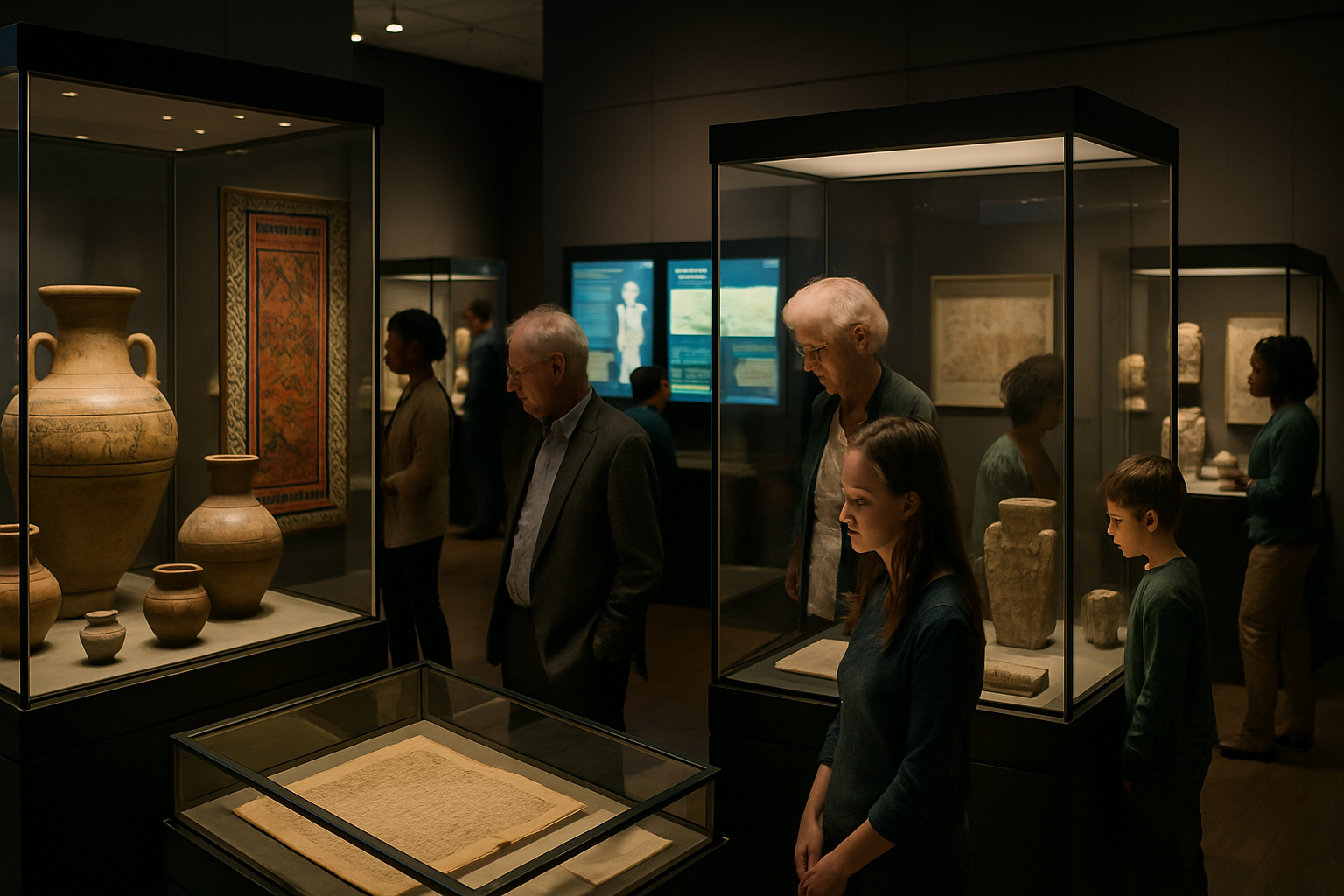
A remarkable convergence of cultural heritage initiatives across Europe is demonstrating the growing global commitment to preserving, celebrating, and ethically managing artistic and historical treasures, with Croatia's architectural innovation, Netherlands' artifact repatriation, and Slovakia's wartime fashion documentation leading the renaissance.
Croatia's Architectural Excellence on European Stage
Croatia has once again gained international recognition in contemporary architecture, with the Gruž City Market in Dubrovnik selected as a contender for a prestigious European architecture award. This achievement represents the latest milestone in Croatia's emerging reputation as a center for innovative urban design that respects historical context while meeting modern community needs.
The Gruž City Market project exemplifies how contemporary architecture can serve both functional and cultural preservation purposes. Located in Dubrovnik's commercial heart, the market design demonstrates Croatia's commitment to creating spaces that honor traditional Mediterranean market culture while incorporating cutting-edge architectural principles. The project's selection for European recognition reflects the growing international appreciation for Croatian design innovation.
This recognition builds upon Croatia's broader cultural renaissance, which has seen the country positioning itself as a bridge between historical preservation and contemporary creativity. The Dubrovnik market project represents more than architectural achievement; it embodies Croatia's philosophy of cultural continuity through thoughtful modernization.
Netherlands Champions Ethical Heritage Repatriation
In a significant move for international cultural diplomacy, the Netherlands has returned a 3,500-year-old looted sculpture to Egypt, demonstrating the growing global commitment to ethical management of cultural artifacts. The investigation revealed the artifact had been stolen from Egypt, most likely during the Arab Spring unrest in 2011, highlighting the vulnerability of cultural heritage during periods of political instability.
This repatriation represents part of a broader international movement toward addressing historical injustices in museum collections and private art markets. The Netherlands' proactive approach to investigating artifact provenance and voluntarily returning stolen cultural property sets a powerful precedent for other nations and institutions.
"The return of cultural artifacts to their countries of origin is not just about correcting past wrongs, but about building trust and cooperation in our shared global heritage."
— International Heritage Law Expert
The timing of this return coincides with growing international pressure on museums and private collectors to examine their collections for potentially looted items. The Netherlands' action demonstrates how countries can lead by example in fostering cultural cooperation and respect for national heritage rights.
Slovakia Documents Wartime Fashion Heritage
Slovakia's comprehensive exhibition "Svet krásny býval" (The World Was Beautiful) provides a fascinating exploration of urban and rural fashion between the wars and during wartime, revealing how conflict and scarcity fundamentally transformed Slovak clothing traditions. The exhibition demonstrates how war and hardship altered the Slovak rural wardrobe, offering insights into the social and cultural impact of historical upheaval on everyday life.
This documentation project represents a sophisticated approach to cultural preservation that goes beyond elite fashion to examine how ordinary people adapted their clothing practices during extraordinary circumstances. The exhibition reveals the ingenuity and resilience of Slovak communities in maintaining cultural identity despite material constraints.
The project's significance extends beyond fashion history, serving as a lens for understanding broader social, economic, and cultural changes during one of Europe's most turbulent periods. By preserving these stories, Slovakia contributes to a more complete understanding of how cultural traditions adapt and survive during times of crisis.
Global Context: Cultural Heritage as Strategic Infrastructure
These developments occur within what cultural observers are calling the "February 2026 Cultural Renaissance," a period of unprecedented global activity in heritage preservation, artistic collaboration, and cultural diplomacy. From Qatar's Afghan heritage exhibitions to Finland's €90 million music hall opening, countries worldwide are recognizing culture as strategic infrastructure for international relationships, tourism development, and community well-being.
The success of these initiatives demonstrates key principles for 21st-century cultural stewardship: technology as enhancement rather than replacement of traditional practices, international cooperation for resource sharing and expertise exchange, community engagement ensuring local ownership of heritage projects, and economic viability through cultural tourism and educational programming.
Technology and Tradition Synthesis
Modern cultural preservation increasingly relies on sophisticated documentation techniques, digital archiving, and virtual reality experiences that make heritage accessible to global audiences while preserving physical artifacts. Slovakia's fashion exhibition, for example, likely incorporates digital elements to show clothing construction techniques and historical context that pure physical display cannot convey.
Similarly, the Netherlands' artifact investigation used advanced provenance research techniques combining historical documentation with modern forensic analysis. These technological tools enable more rigorous examination of cultural property ownership while building stronger cases for repatriation.
Economic and Social Impact
Cultural heritage initiatives generate significant economic returns through tourism revenue, job creation, and international brand building. Croatia's architectural recognition enhances its reputation as a cultural destination, potentially attracting visitors interested in contemporary design alongside historical attractions. The Netherlands' ethical stance on artifact repatriation strengthens its reputation as a responsible cultural partner, facilitating future international cooperation.
These projects also serve crucial social functions, strengthening community identity and intergenerational knowledge transfer. Slovakia's fashion exhibition helps younger generations understand their cultural heritage while documenting knowledge that might otherwise be lost as older generations pass away.
Challenges and Future Directions
Despite growing success, cultural heritage preservation faces significant challenges including climate change threats to physical sites, economic pressures making traditional practices less viable, and the need to balance global accessibility with local authenticity. The ongoing competition between digital entertainment and traditional cultural forms requires creative approaches to maintain relevance for younger audiences.
International cooperation remains essential but challenging, as different countries have varying resources, priorities, and legal frameworks for cultural protection. The Netherlands' proactive repatriation approach, while commendable, requires significant resources and political commitment that not all nations can readily provide.
Looking Forward: Sustainable Cultural Stewardship
The success of Croatia's architectural innovation, Netherlands' ethical artifact management, and Slovakia's comprehensive heritage documentation provides a template for sustainable cultural stewardship in the 21st century. These approaches demonstrate that effective heritage preservation requires balancing innovation with tradition, local authenticity with global cooperation, and economic viability with cultural integrity.
As 2026 continues to unfold as a pivotal year for global cultural renaissance, these three nations show how thoughtful, community-engaged, and internationally cooperative approaches can preserve cultural heritage while contributing to contemporary social and economic development. Their example suggests that the future of cultural preservation lies not in static museum approaches, but in dynamic, living traditions that adapt while maintaining their essential character and community meaning.