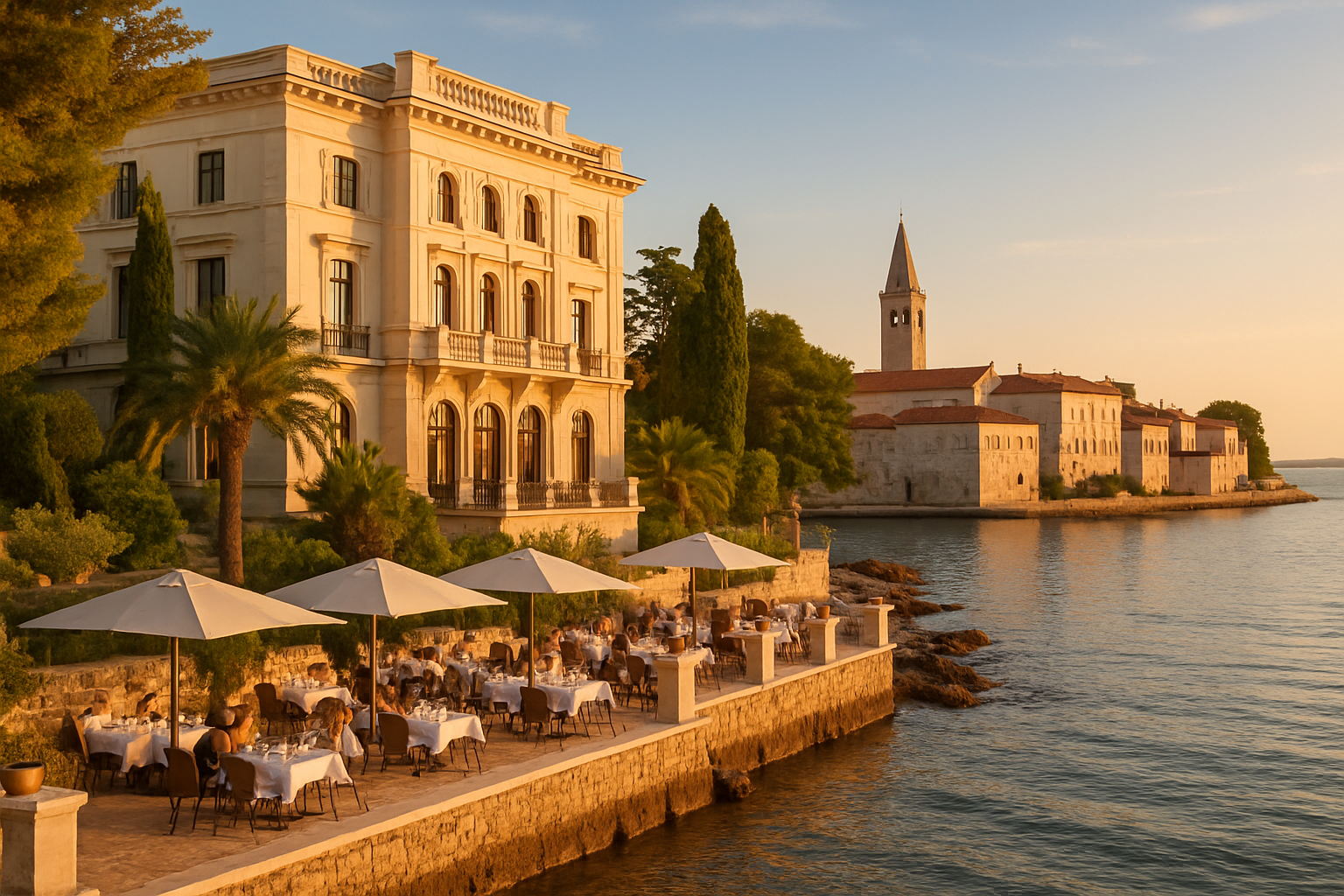
Croatia has unveiled major developments in its tourism and hospitality sector, including the opening of a prestigious five-star hotel featuring Ana Roš's first restaurant in Poreč and the introduction of comprehensive new regulations aimed at protecting tourist guides and enhancing the visitor experience.
Jadran Heritage Hotel and Ana Roš Restaurant Debut
A historic landmark on the waterfront in Poreč has been transformed into the luxury boutique Jadran Heritage Hotel, marking a significant milestone for Croatia's upscale hospitality offerings. The development represents a careful balance between preserving the cultural heritage of the Istrian coast while introducing world-class amenities and dining experiences.
The hotel's crown jewel is the debut of Ana Roš's first restaurant outside Slovenia, bringing the acclaimed chef's innovative culinary vision to the Croatian coast. Roš, known for her groundbreaking work in contemporary Alpine cuisine and multiple international awards, represents a major coup for Croatia's growing reputation as a premium culinary destination.
This development aligns with broader trends in Croatian tourism, which has been evolving from volume-based to quality-focused strategies. The country deployed 62 tourist medical clinics for the 2026 season, creating Europe's most extensive seasonal healthcare network, demonstrating its commitment to comprehensive visitor support services.
New Tourism Regulations and Guide Protection
On March 6, 2026, Croatian Tourism and Sports Minister Tonči Glavina announced a comprehensive package of new tourism regulations designed to strengthen the sector's foundation and protect local professionals. The regulations address growing concerns about the tourism industry's rapid expansion and its impact on local communities and service providers.
The new rules include enhanced protections for tourist guides, addressing concerns raised by the Croatian Association of Tourist Guides about market liberalization that could potentially allow foreign guides to operate without meeting local licensing requirements. The regulations ensure that only properly certified professionals with adequate knowledge of Croatian history, culture, and protected sites can provide official guiding services.
Additional measures focus on protecting Croatia's UNESCO World Heritage sites and other culturally significant locations from overtourism. The regulations establish new visitor management protocols for protected sites, similar to successful models implemented in Rome (Trevi Fountain €2 system generating €6 million annually) and Venice (expanded entry fee system for 60 days in 2026).
Strategic Infrastructure Investment
These developments occur within Croatia's broader tourism infrastructure expansion, which includes a 30% increase in funding for new air routes to target underserved Asian and North American markets. The government recognizes the correlation between aviation connectivity and tourism growth, with Ryanair now operating a record 118 routes to Croatia.
The Kvarner region's designation as European Region of Gastronomy 2026 complements these efforts, with cities like Rijeka gaining international recognition for authentic culinary tourism built around local specialties. This positioning supports Croatia's evolution beyond traditional beach tourism toward sophisticated cultural and gastronomic experiences.
Regional Context and Industry Transformation
Croatia's developments reflect broader European tourism industry transformation characterized by quality-focused strategies over volume approaches. Cyprus achieved record 4.5 million visitors in 2025 generating €3.6 billion revenue, while destinations across the Mediterranean implement sophisticated visitor management systems.
The global tourism industry is experiencing an unprecedented $570+ billion infrastructure investment surge, with countries prioritizing technology integration, climate resilience, and community engagement. Generation Z travelers, representing 50% of those making multiple trips over five days in 2025, drive demand for authentic experiences combined with practical accessibility, including healthcare services.
"Croatia is positioning itself as a year-round destination that offers both luxury experiences and comprehensive visitor support services while preserving our cultural authenticity."
— Tourism Industry Analyst
Economic and Cultural Impact
The economic multiplier effects of these developments extend beyond traditional hospitality to support local suppliers, transportation networks, cultural institutions, and specialized service providers. Croatia's medical tourism infrastructure creates sustainable career pathways and reduces dependence on seasonal employment patterns that have historically characterized the industry.
The Ana Roš restaurant opening represents sophisticated international culinary diplomacy, potentially attracting food-focused travelers and enhancing Croatia's reputation in global gastronomy circles. This aligns with broader trends where authentic cultural experiences command premium pricing from conscious consumers seeking meaningful travel experiences.
Climate Resilience and Sustainability
With January 2026 marking the 18th consecutive month of global temperatures exceeding 1.5°C above pre-industrial levels, Croatia's tourism regulations incorporate climate adaptation requirements. The new rules mandate resilient infrastructure design and sustainable development practices to ensure long-term competitiveness in an changing environmental context.
The regulations also address overtourism concerns proactively, learning from other Mediterranean destinations that have implemented reactive measures after reaching capacity constraints. Croatia's approach emphasizes community well-being and environmental protection as essential components of sustainable tourism development.
International Cooperation and Future Outlook
Croatia's tourism strategy demonstrates successful integration of international expertise (Ana Roš collaboration) with local cultural preservation (guide protection regulations). This model provides a template for other destinations seeking to enhance their offerings while maintaining authentic character and supporting local professionals.
The country's comprehensive approach to tourism development—combining luxury hospitality, regulatory framework improvements, infrastructure investment, and sustainability measures—positions Croatia as a leader in sophisticated destination management. Success factors include cultural authenticity preservation, enhanced visitor experiences through strategic infrastructure, meaningful community involvement, and adaptive management responding to changing global preferences.
As the global tourism industry evolves toward quality-focused, sustainable models, Croatia's March 2026 developments establish new standards for balancing economic objectives with community benefits, cultural preservation, and environmental responsibility in the interconnected world of 21st-century travel.