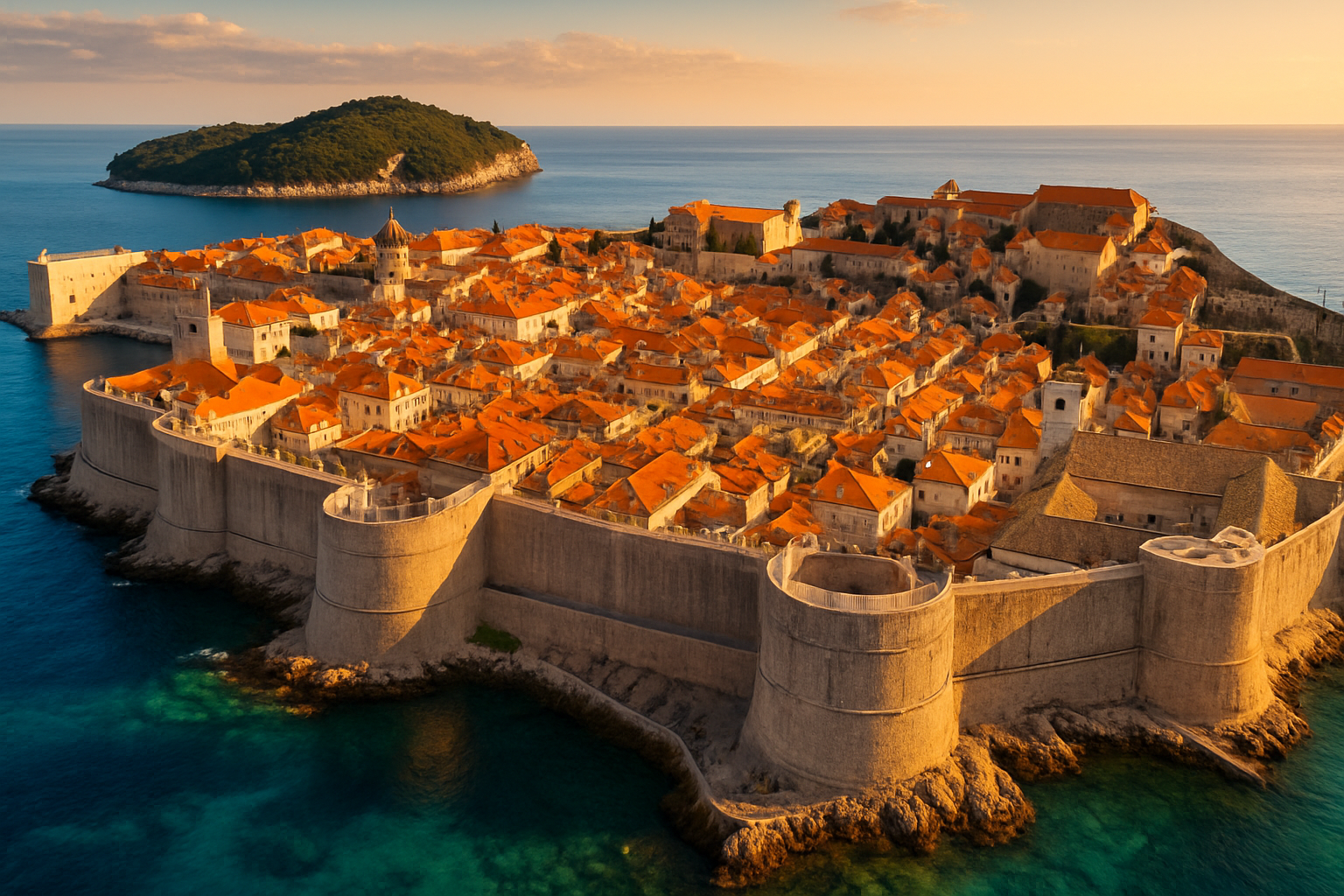
Croatia has emerged as a European tourism leader with Dubrovnik receiving the EU's highest award for smart and sustainable tourism, while peaceful islands like Ilovik demonstrate the country's appeal beyond traditional hotspots.
On Thursday, the European Commission presented Dubrovnik with the prestigious "European Green Pioneer of Smart Tourism 2026" award, marking a remarkable transformation for a city once considered the poster child of overtourism. This recognition comes as Croatia continues to position itself as Europe's premier destination for quality-focused, sustainable tourism.
Dubrovnik's Sustainable Transformation
The award, presented to small tourist destinations leading in sustainable and smart tourism, recognizes Dubrovnik's dramatic evolution from overtourism concerns to innovative destination management. The city competed against seven other European destinations including Geestland from Germany, Ibiza from Spain, Laois from Ireland, Mariagerfjord and Rebild from Denmark, Marmaris from Turkey, and Tartu from Estonia.
Dubrovnik's victory represents the culmination of years of strategic investment in digital crowd management systems, sustainable transportation initiatives, and integrated visitor platforms designed to protect its UNESCO World Heritage status while enhancing visitor experiences. The city has successfully implemented technology solutions that balance tourism growth with cultural preservation and community well-being.
"This award validates our commitment to transforming tourism from a challenge into an opportunity for our community while preserving our cultural heritage for future generations."
— Dubrovnik Tourism Officials
Croatia's Comprehensive Tourism Strategy
Dubrovnik's recognition is part of Croatia's broader tourism revolution. The country has implemented Europe's most extensive seasonal healthcare network with 62 tourist medical clinics for the 2026 season, demonstrating unprecedented commitment to visitor services and safety. This infrastructure investment represents a quality-focused approach that prioritizes visitor experience over volume-based growth.
The Croatian government has also allocated 30% increased funding for new air routes targeting Asian and North American markets, recognizing the correlation between connectivity and tourism growth. Ryanair now operates a record 118 routes to Croatia, while the country continues diversifying its source markets beyond traditional European visitors.
The Charm of Croatia's Peaceful Islands
While Dubrovnik captures international headlines, Croatia's smaller islands offer equally compelling but more tranquil experiences. Ilovik, located in the southern Lošinj archipelago, exemplifies this peaceful alternative to mainstream tourism. With just 100 permanent inhabitants, this small island is renowned for having "more flowers than residents," creating a zen-like atmosphere that attracts visitors seeking authentic Mediterranean tranquility.
Spanning just 5.8 square kilometers with a 15.4-kilometer coastline, Ilovik showcases the rugged beauty of the Adriatic. The island's eponymous settlement provides an idyllic escape characterized by peaceful coves and pristine natural environments that visitors can easily explore in their entirety.
The island's commitment to environmental preservation and sustainable visitor management aligns perfectly with Croatia's national tourism strategy, which emphasizes authentic experiences over mass tourism development.
European Tourism Leadership Context
Croatia's tourism success occurs within a broader context of European tourism transformation. The industry has experienced a global infrastructure investment surge exceeding $570 billion, with destinations worldwide shifting toward quality-focused strategies prioritizing authentic cultural experiences, environmental sustainability, and community benefits.
The European Union has recognized tourism as requiring coordinated regional approaches, with successful destinations implementing sophisticated visitor management technologies. Rome's Trevi Fountain €2 entry system now generates €6 million annually while managing crowds, while Venice has expanded entry fees to 60 days in 2026 versus 29 days in the 2024 pilot program.
Technology Integration and Authentic Experiences
Croatia's tourism evolution demonstrates sophisticated synthesis of cutting-edge technology with traditional hospitality and cultural authenticity. Digital crowd management systems enable real-time visitor flow optimization, while integrated booking platforms enhance convenience without compromising the personal touch that characterizes Croatian hospitality.
The country's approach serves as a template for destinations worldwide seeking to balance technological advancement with cultural preservation. Smart tourism technologies enhance rather than replace human connections, supporting local communities while providing visitors with memorable, authentic experiences.
Climate Resilience and Sustainable Development
Croatia's tourism strategy addresses climate adaptation requirements as the country positions itself as a safer European alternative during increasingly volatile global conditions. With January 2026 marking the 18th consecutive month of temperatures exceeding 1.5°C above pre-industrial levels, destinations must demonstrate climate resilience alongside tourism appeal.
The comprehensive medical clinic network not only serves tourism but provides healthcare infrastructure supporting local communities year-round. This dual-purpose approach exemplifies sustainable development principles where tourism investment creates lasting community benefits beyond seasonal economic activity.
International Recognition and Future Prospects
Dubrovnik's EU award positions Croatia as a model for sustainable tourism development globally. The recognition comes as international visitors increasingly prioritize destinations demonstrating environmental responsibility, authentic cultural experiences, and community engagement over traditional mass tourism offerings.
The success factors identified in Croatia's approach include cultural authenticity preservation, strategic infrastructure investment, comprehensive visitor services, meaningful community involvement, and international cooperation. These elements create competitive advantages that extend beyond immediate tourism benefits to broader economic development and international reputation enhancement.
Economic Multiplier Effects
Croatia's tourism transformation generates economic multiplier effects extending far beyond hospitality sector jobs. Infrastructure improvements benefit local residents, cultural industry support preserves traditional arts and crafts, artisan networks gain international exposure, and transportation development enhances regional connectivity.
The medical clinic network creates sustainable, year-round employment opportunities, reducing dependence on seasonal tourism jobs. Meanwhile, international recognition attracts research partnerships, sustainable investment, and cultural collaboration that diversify the economy while maintaining tourism competitiveness.
The success of destinations like Dubrovnik and peaceful islands like Ilovik demonstrates that tourism can serve as an economic development engine while preserving cultural heritage and environmental integrity. This balanced approach positions Croatia as a leader in 21st-century tourism development, offering lessons for destinations worldwide seeking sustainable growth models.
As Croatia continues implementing innovative tourism strategies, the country exemplifies how destinations can transform challenges into opportunities through strategic planning, international cooperation, and commitment to both visitor satisfaction and community well-being. The EU's recognition of Dubrovnik validates this comprehensive approach while inspiring similar transformations across European tourism destinations.