Croatia is experiencing an unprecedented tourism renaissance as the country promotes its hidden island treasures while celebrating its UNESCO World Heritage achievements through special pricing initiatives, positioning itself as Europe's premier sustainable destination alternative.
The Croatian tourism sector is witnessing remarkable developments that underscore the nation's strategic shift toward quality-focused, authentic travel experiences. Two significant initiatives are capturing international attention: the promotion of lesser-known island destinations that have escaped mass tourism, and special commemorative ticket pricing for Plitvice Lakes National Park as it celebrates its 47th anniversary on the UNESCO World Heritage List.
Premuda: Croatia's Best-Kept Island Secret
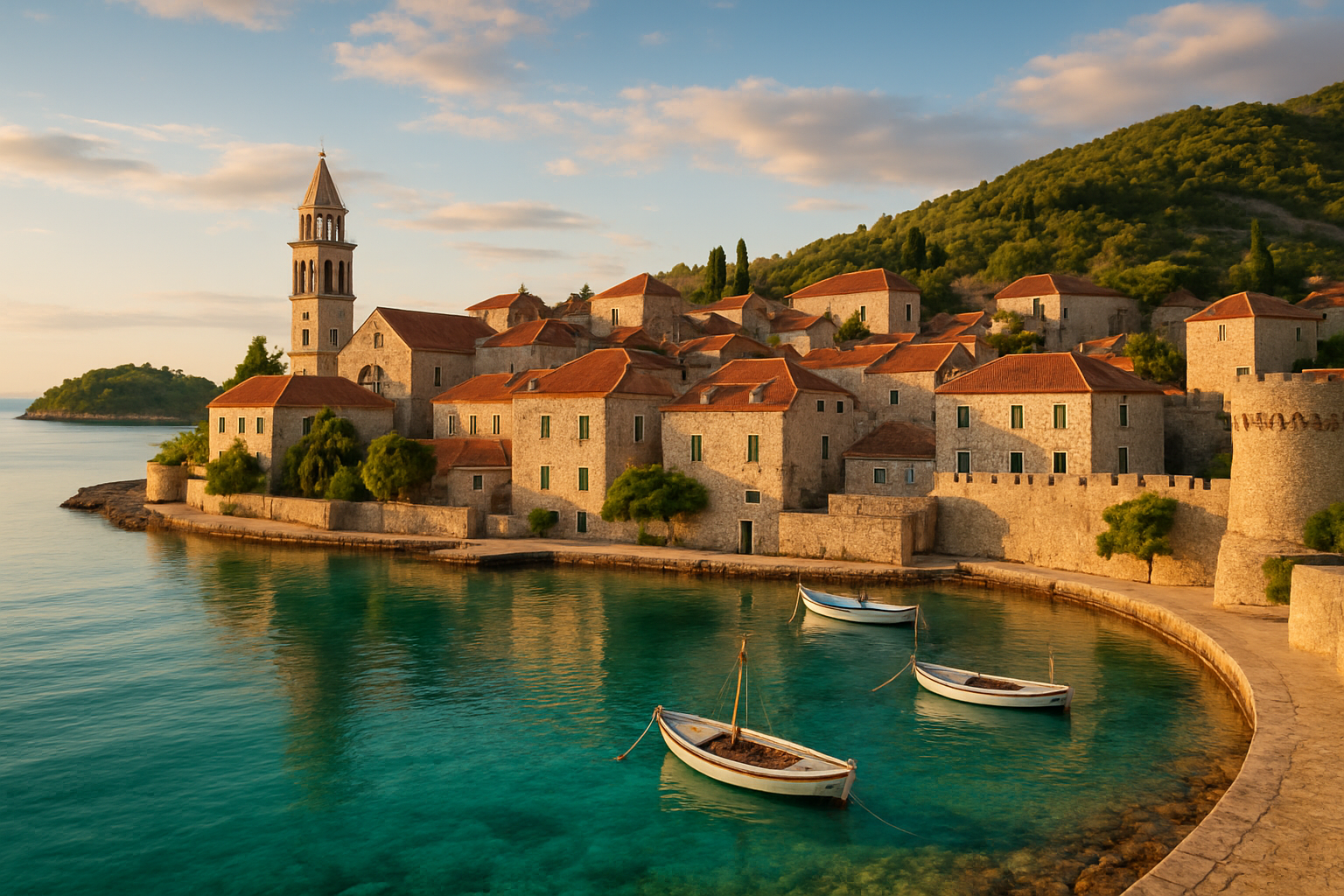
Among Croatia's most compelling hidden gems is Premuda, the westernmost inhabited island in the expansive Zadar archipelago. This remarkable destination has successfully "escaped the curse of mass tourism," offering visitors a unique combination of natural wonders and tranquil experiences that heal the soul.
Premuda stands out for its extraordinary underwater cave system and the profound sense of peace it provides to visitors. The island represents a stark contrast to Croatia's more crowded destinations, demonstrating that the country's Adriatic coast offers diverse experiences beyond its famous ancient cities and popular summer hotspots.
The Croatian Adriatic has long been recognized as one of Europe's most beautiful marine areas, featuring turquoise seas, heavily indented coastlines, and over 1,000 islands, islets, and cliffs. This diverse landscape continues to attract travelers from around the world, but destinations like Premuda offer an alternative to the overtourism challenges facing some Croatian locations.
"The glorious Croatian Adriatic is by far one of the most beautiful marine areas in all of Europe. The turquoise sea, the irregular, heavily indented coastline and over 1000 islands, islets and cliffs create a landscape that attracts travellers from all over the world year after year without fail."
— Putni kofer travel publication
Plitvice Lakes Celebrates UNESCO Legacy
Simultaneously, Croatia's largest national park is preparing to celebrate a significant milestone. Plitvice Lakes National Park will mark 47 years since its inclusion on the UNESCO World Heritage List with a special promotional week from April 7-12, 2026.
During this commemorative period, visitors will enjoy significantly reduced ticket prices, with promotional rates starting from just €4. This initiative demonstrates Croatia's commitment to making its natural treasures accessible while maintaining the highest conservation standards that have protected these pristine lakes for decades.
The timing of this celebration is particularly significant as Croatia continues to position itself as a leader in sustainable tourism development. The country has invested heavily in tourism infrastructure, deploying Europe's most extensive seasonal healthcare network with 62 tourist medical clinics for the 2026 season, demonstrating its commitment to comprehensive visitor services.
Strategic Tourism Evolution
These developments reflect Croatia's broader tourism transformation strategy, which emphasizes authentic experiences over volume-based approaches. The country has successfully evolved from addressing overtourism challenges to becoming an innovative destination management leader, as evidenced by Dubrovnik's recognition as the European Commission's "European Green Pioneer of Smart Tourism 2026."
Croatia's tourism success is built on several key factors:
- Investment in quality infrastructure and healthcare services
- Preservation of cultural authenticity while embracing technological innovation
- Focus on sustainable development that benefits local communities
- Strategic promotion of lesser-known destinations to distribute visitor flows
- International cooperation and best practices sharing
The country has also allocated 30% increased funding for new air routes targeting Asian and North American markets, recognizing the correlation between connectivity and tourism growth. With Ryanair operating a record 118 routes to Croatia, the destination is well-positioned for continued sustainable growth.
Climate Resilience and Adaptation
Croatia's tourism strategy demonstrates remarkable foresight in addressing climate challenges. As January 2026 marked the 18th consecutive month of global temperatures exceeding 1.5°C above pre-industrial levels, Croatia has positioned itself as a safer European alternative, implementing proactive climate adaptation measures throughout its tourism infrastructure.
The country's approach to sustainable tourism serves as a template for other destinations seeking to balance economic growth with environmental responsibility. By promoting hidden gems like Premuda while maintaining strict conservation standards at UNESCO sites like Plitvice Lakes, Croatia demonstrates that tourism can be both economically viable and environmentally sustainable.
International Recognition and Future Prospects
Croatia's tourism transformation has not gone unnoticed internationally. The country's comprehensive approach to destination management, combining advanced technology with cultural preservation, has attracted global attention. The Kvarner region's designation as the European Region of Gastronomy 2026, with Rijeka gaining international culinary recognition, further demonstrates Croatia's multifaceted tourism appeal.
The success factors that have driven Croatia's tourism renaissance include cultural authenticity preservation, strategic infrastructure enhancement, meaningful community involvement, and adaptive management responding to changing visitor preferences. These elements have created a sustainable model that other destinations worldwide are studying and adapting.
Looking ahead, Croatia's tourism industry is well-positioned to continue its growth trajectory while maintaining its commitment to sustainability and authenticity. The country's ability to showcase hidden treasures like Premuda while celebrating established UNESCO heritage sites like Plitvice Lakes demonstrates a sophisticated understanding of modern tourism demands.
As international travelers increasingly seek authentic experiences and sustainable destinations, Croatia's tourism renaissance represents more than just marketing innovation—it embodies a fundamental shift toward responsible tourism development that serves both visitors and local communities while protecting the natural and cultural heritage that makes these destinations extraordinary in the first place.