Beyond Croatia's world-famous coastline and historic cities lies a network of extraordinary hidden natural attractions that are quietly revolutionizing the country's tourism landscape, from secret thermal spas on lunar-like islands to mysterious lakes that resemble giant eyes.
Croatia's reputation for stunning natural beauty extends far beyond the well-trodden paths of Dubrovnik and Split. Recent discoveries have unveiled remarkable hidden gems that showcase the country's geological diversity and position it as a leader in sustainable, authentic tourism experiences.
Pag Island's Secret Thermal Oasis
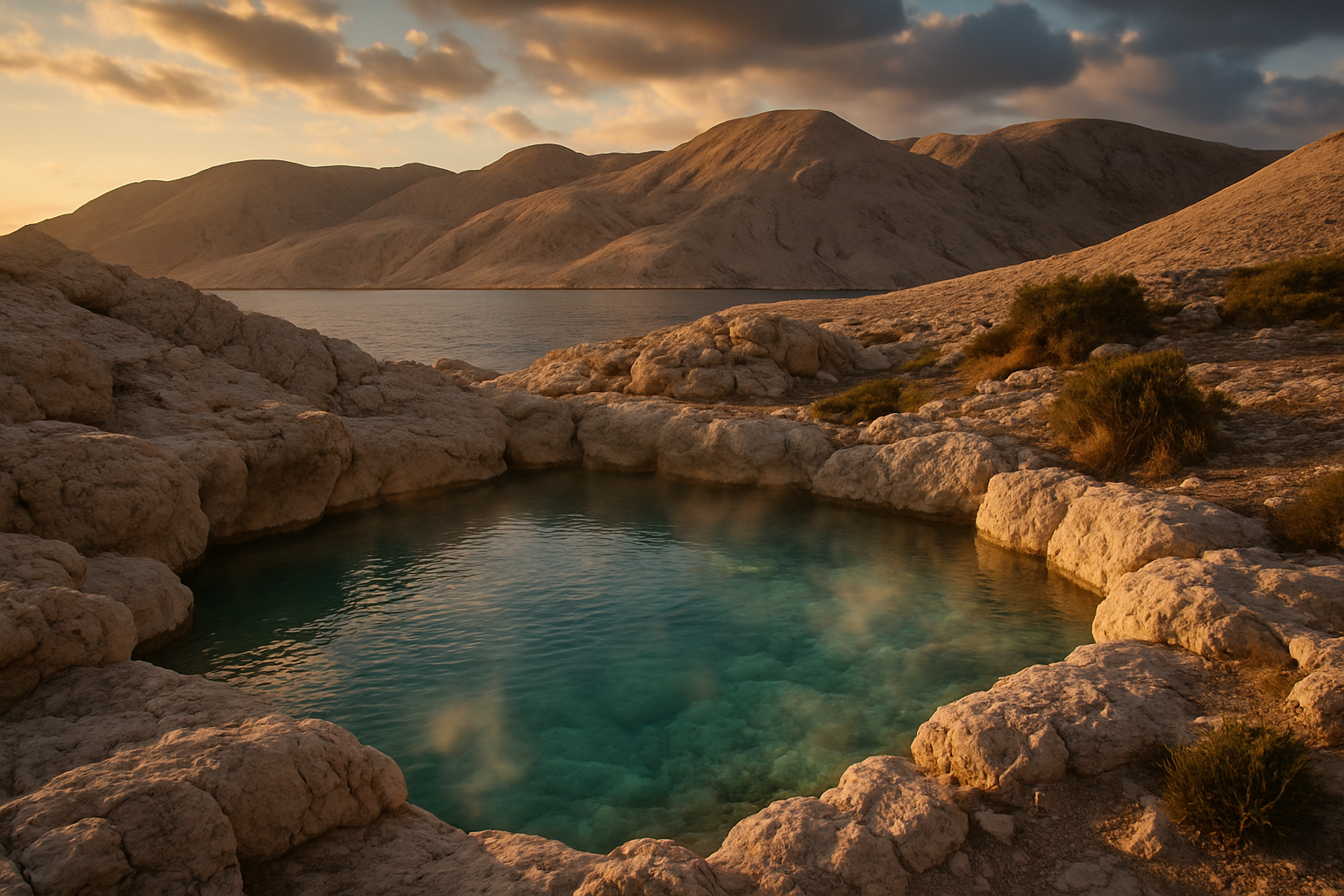
On the otherworldly landscape of Pag island, known more for its distinctive sheep cheese, traditional lace-making, and vibrant party scene, lies one of Croatia's most extraordinary hidden treasures: a completely free natural thermal spa. This remarkable discovery transforms perceptions of an island whose moonscape-like terrain has earned it the nickname "Croatian moon."
The natural spa emerged as the island's best-kept secret, offering visitors a unique wellness experience without any admission cost. Located away from the crowded beaches and tourist centers, this thermal oasis provides therapeutic warm waters surrounded by the island's characteristic white limestone formations and sparse Mediterranean vegetation.
"Next time you visit Pag, you might discover healing properties you never expected from this lunar landscape."
— Local tourism expert, Total Croatia News
The natural spa represents a growing trend in Croatia's tourism evolution, where authentic, lesser-known experiences are gaining prominence over traditional mass-market destinations. This discovery aligns perfectly with global tourism preferences shifting toward unique, sustainable, and culturally authentic experiences.
The Eye-Shaped Lakes of Imotski
In the rugged Dalmatian hinterland, the town of Imotski harbors an equally mesmerizing secret: Croatian lakes that bear an uncanny resemblance to human eyes. These natural formations, aptly named "Dva oka jezero" (Two Eyes Lake), represent one of Europe's most unusual geological phenomena.
The Imotski area, protected as part of the UNESCO Geopark Biokovo–Imotski Lakes, has successfully attracted increasing numbers of visitors seeking experiences beyond traditional sea, sun, and beaches. This beautiful region, still largely undiscovered by mainstream tourism, features charming historical towns like Imotski and Sinj alongside truly incredible natural formations.
While the region is already known for its famous Red and Blue lakes, the eye-shaped formations remain relatively unknown to international tourists, offering adventurous travelers the opportunity to witness these geological marvels before they become mainstream attractions.
Croatia's Sustainable Tourism Leadership
These hidden natural attractions reflect Croatia's broader transformation into a sophisticated, sustainable tourism destination. The country has established Europe's most extensive seasonal healthcare network with 62 tourist medical clinics operating in 2026, demonstrating unprecedented commitment to visitor welfare and safety.
Croatia's tourism strategy exemplifies the global industry's evolution from volume-based to quality-focused approaches. This transformation prioritizes visitor satisfaction, longer stays, higher per-capita spending, and meaningful cultural exchanges over simple capacity expansion.
Integration of Technology and Tradition
The discovery and promotion of these hidden gems showcases Croatia's sophisticated approach to destination management, combining cutting-edge technology with traditional ecological knowledge and community-based conservation.
Advanced satellite monitoring, environmental DNA sampling, and digital tourism planning work alongside centuries-old local knowledge to protect these natural treasures while making them accessible to responsible travelers. This integration represents a fundamental shift in conservation methodology, moving beyond purely technological or traditional approaches toward comprehensive, culturally sensitive frameworks.
Economic and Cultural Impact
The emergence of these hidden attractions functions as an economic development strategy rather than merely a regulatory conservation measure. Countries implementing comprehensive environmental protection, like Croatia, demonstrate greater economic resilience and attract sustainable investment across multiple sectors including eco-tourism, green technology manufacturing, and environmental services.
For local communities around Pag island and Imotski, these discoveries create opportunities for authentic tourism experiences that preserve cultural traditions while providing sustainable economic benefits. The natural spa on Pag and the eye-shaped lakes near Imotski offer visitors genuine connections with Croatia's geological and cultural heritage.
Climate Resilience and Environmental Protection
These natural attractions require sophisticated protection strategies, particularly as climate change affects traditional tourism patterns. Croatia's proactive approach to environmental protection positions these hidden gems as climate-resilient tourism assets that can withstand changing weather patterns while offering year-round appeal.
The protection of natural thermal features and unique geological formations demonstrates Croatia's commitment to long-term environmental stewardship, ensuring these treasures remain available for future generations while supporting current tourism development goals.
Future of Authentic Croatian Tourism
The revelation of Pag island's natural spa and Imotski's eye-shaped lakes represents Croatia's evolution toward authentic, sustainable tourism experiences that respect both environmental limits and cultural heritage. These discoveries position Croatia as a leader in the global tourism industry's transformation toward quality-focused, community-benefiting development models.
As international travelers increasingly seek unique, authentic experiences over standardized vacation products, Croatia's hidden natural treasures offer exactly the kind of genuine cultural and environmental connections that define successful 21st-century tourism.
For visitors planning to explore these remarkable hidden gems, the natural spa on Pag provides a free wellness experience unlike anywhere else in Europe, while the eye-shaped lakes of Imotski offer photographers and nature enthusiasts the chance to witness one of Croatia's most unusual geological phenomena before they become widely known tourist destinations.