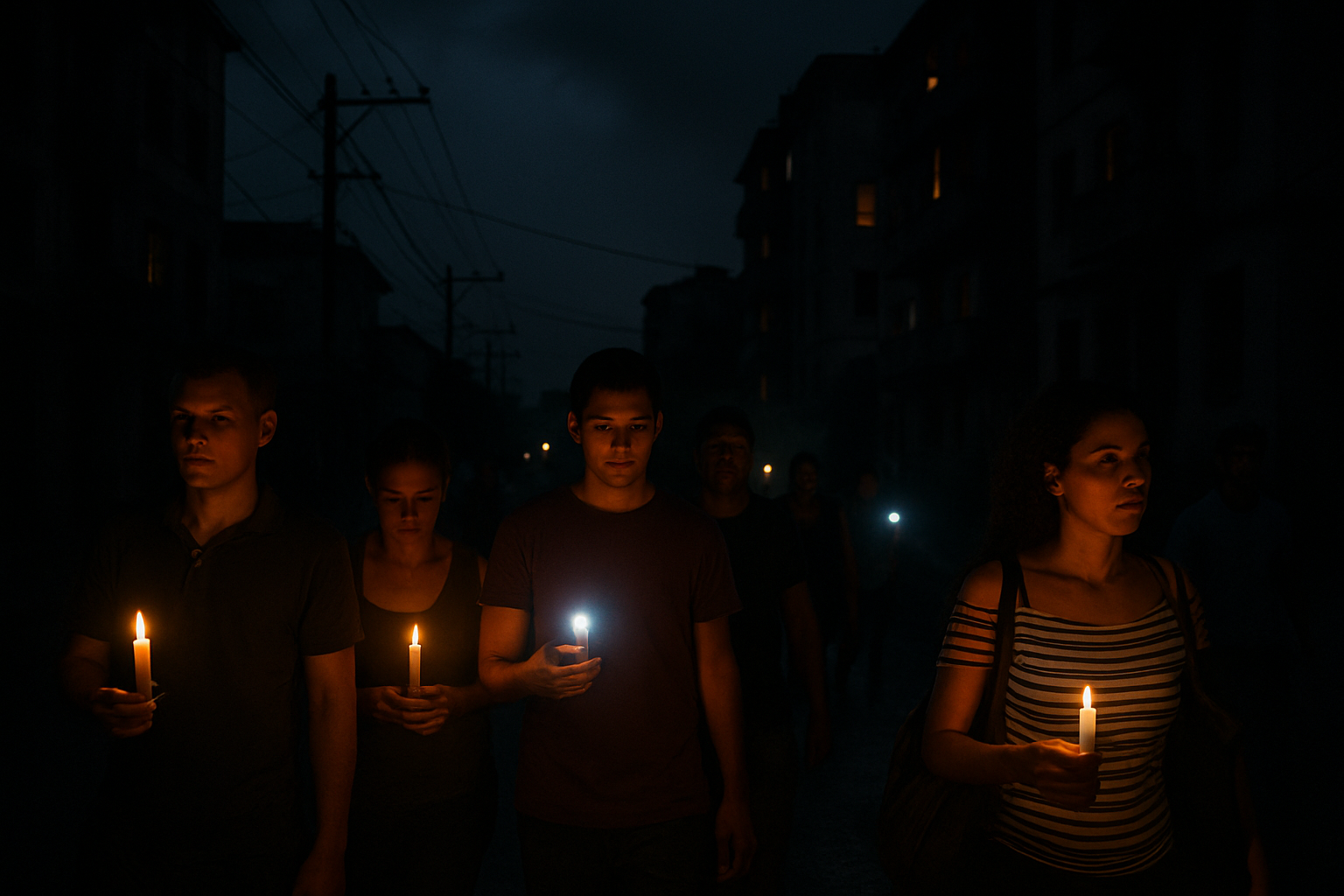
Cuba implemented emergency energy conservation measures affecting over half its population on Saturday, as the island nation grapples with its most severe energy crisis since the 1990s "Special Period" following the collapse of fuel supplies and mounting U.S. pressure.
The state-owned electricity company Unión Eléctrica (UNE) announced that 51% of the country would experience scheduled blackouts during peak evening hours, when energy consumption typically surges. The emergency measures come as Cuba faces a complete cutoff of oil imports since December 2025, according to President Miguel Díaz-Canel.
Unprecedented Scale of Energy Restrictions
The crisis has forced Cuban authorities to implement a comprehensive emergency plan affecting every aspect of daily life. Government workers have been shifted to a four-day work week, public transportation services have been dramatically reduced, and universities have moved to semi-virtual classes to conserve energy.
Tourist resorts, crucial to Cuba's struggling economy, have begun closing operations. Hotels primarily in Varadero and the northern coast, including properties operated by Spanish chains Meliá and Iberostar and Canadian company Blue Diamond, have shuttered due to staff being unable to reach work because of transportation restrictions.
"The fuel shortage has reached critical levels where essential services can barely function,"
— Cuban Government Official
The energy rationing prioritizes hospitals, schools, and other essential services, but even these sectors face operational constraints. Fuel rationing has been implemented nationwide, with strict limits on gasoline sales to private vehicle owners.
Root Causes of the Crisis
President Díaz-Canel confirmed that Cuba has not received oil shipments from abroad since December 2025, attributing the crisis directly to U.S. pressure on traditional suppliers. The Trump administration's January 30, 2026 executive order threatens tariffs on countries supplying oil to Cuba, specifically targeting Mexico and Venezuela.
Venezuela, historically Cuba's primary oil supplier, has completely halted crude shipments following the recent political transition and intensified U.S. pressure. Mexico, despite President Claudia Sheinbaum's initial humanitarian commitments, has been forced to suspend fuel deliveries to avoid potential U.S. economic retaliation.
The current crisis represents a return to Trump's first-term "maximum pressure" tactics, reversing the diplomatic opening initiated during the Obama administration. Unlike the 1990s Special Period, which resulted from the Soviet Union's collapse, the current emergency is characterized as a deliberately engineered humanitarian crisis targeting the Cuban population.
Infrastructure Breakdown and Daily Impact
Cuba's aging electrical infrastructure, already strained by decades of limited investment, has begun failing under the pressure. The electricity grid regularly experiences outages affecting millions of residents, with the eastern provinces particularly hard hit after failures at the Holguín substation.
Transportation systems across the island have been paralyzed, with bus routes severely reduced and sugar harvests halted in multiple provinces. An international congress scheduled to host 1,500 participants was cancelled due to the inability to guarantee basic services.
The healthcare system faces severe constraints, with some hospitals suspending non-emergency surgeries and medical staff struggling to reach work due to transportation limitations. Power outages in medical facilities threaten the storage of medicines and the operation of critical equipment.
Tourism Industry Under Pressure
The crisis threatens to devastate Cuba's vital tourism industry, which has already struggled to recover from COVID-19 impacts. Canadian travel agencies WestJet Airlines and Sunwing Vacations have announced they are closely monitoring the situation, with some tourists reconsidering planned visits.
Canada has issued a "high degree of caution" travel advisory for Cuba, citing infrastructure challenges and basic goods shortages. The closure of major resorts and uncertainty about power supply during peak tourist season represents a potentially catastrophic blow to foreign currency earnings.
International observers note that the timing coincides with the traditional peak winter tourist season, when Cuba typically relies on Caribbean visitors escaping harsh northern winters.
Regional and International Response
Mexican President Claudia Sheinbaum has announced humanitarian aid shipments to arrive by February 9, including food and basic supplies. However, oil shipments remain suspended due to U.S. pressure, highlighting the difficult position facing Latin American governments between humanitarian concerns and economic relationships with Washington.
The crisis has forced regional powers to choose between maintaining trade relationships with the United States and providing humanitarian assistance to Cuba. The broader implications affect regional integration efforts and challenge traditional patterns of Latin American cooperation.
European media coverage has characterized the situation as a deliberately engineered humanitarian emergency, with Finnish and Danish outlets highlighting the urgency of the Cuban government's restructuring efforts to maintain basic services.
Government Priorities and Future Outlook
Cuban authorities have shifted government priorities toward "defense and internal order," though officials have provided no specific timelines for when restrictions might be lifted. The emergency measures are being implemented with no clear end date, suggesting authorities expect the crisis to persist for months.
The government has prioritized essential services including hospitals, schools, and food distribution, but even these sectors face significant constraints. Officials acknowledge that the current situation represents the most serious energy crisis since the Special Period of the 1990s, when Cuba faced similar deprivations following Soviet support withdrawal.
"We are implementing all necessary measures to protect essential services while managing this unprecedented energy emergency,"
— Cuban Energy Official
Oil reserves have reportedly dwindled to just 15-20 days' supply, creating an immediate timeline pressure for resolution or further escalation of the crisis.
Historical Context and Comparisons
The current crisis draws inevitable comparisons to Cuba's "Special Period in Times of Peace" during the 1990s, when the island faced severe economic hardship following the Soviet Union's collapse. However, analysts note key differences: the current crisis results from deliberate U.S. policy rather than external economic collapse, and Cuba's infrastructure has aged significantly since the 1990s.
The systematic nature of current U.S. sanctions, targeting third-country suppliers rather than just bilateral trade, represents an escalation of economic pressure tactics. The crisis affects an estimated 3.4 million people with regular blackouts, transportation paralysis, and reduced access to basic services.
International observers characterize the situation as testing the limits of economic coercion as a diplomatic tool, with humanitarian implications extending far beyond political objectives.
Looking Ahead: Uncertain Timeline
With no indication of when the crisis might be resolved, Cuban authorities face the challenge of maintaining basic social functions while preserving limited energy resources. The emergency measures announced Saturday represent just the beginning of what could be an extended period of severe restrictions.
The success of current conservation efforts will largely determine whether Cuba can maintain essential services through the coming weeks. However, without restored oil imports, the island faces the prospect of even more severe restrictions affecting daily life, economic activity, and social stability.
The international community watches closely as the crisis tests the resilience of Cuban society and the effectiveness of economic pressure as a tool of diplomatic coercion. The humanitarian implications continue to mount as the emergency measures affect millions of ordinary Cubans dependent on reliable electricity, transportation, and basic services for their daily survival.