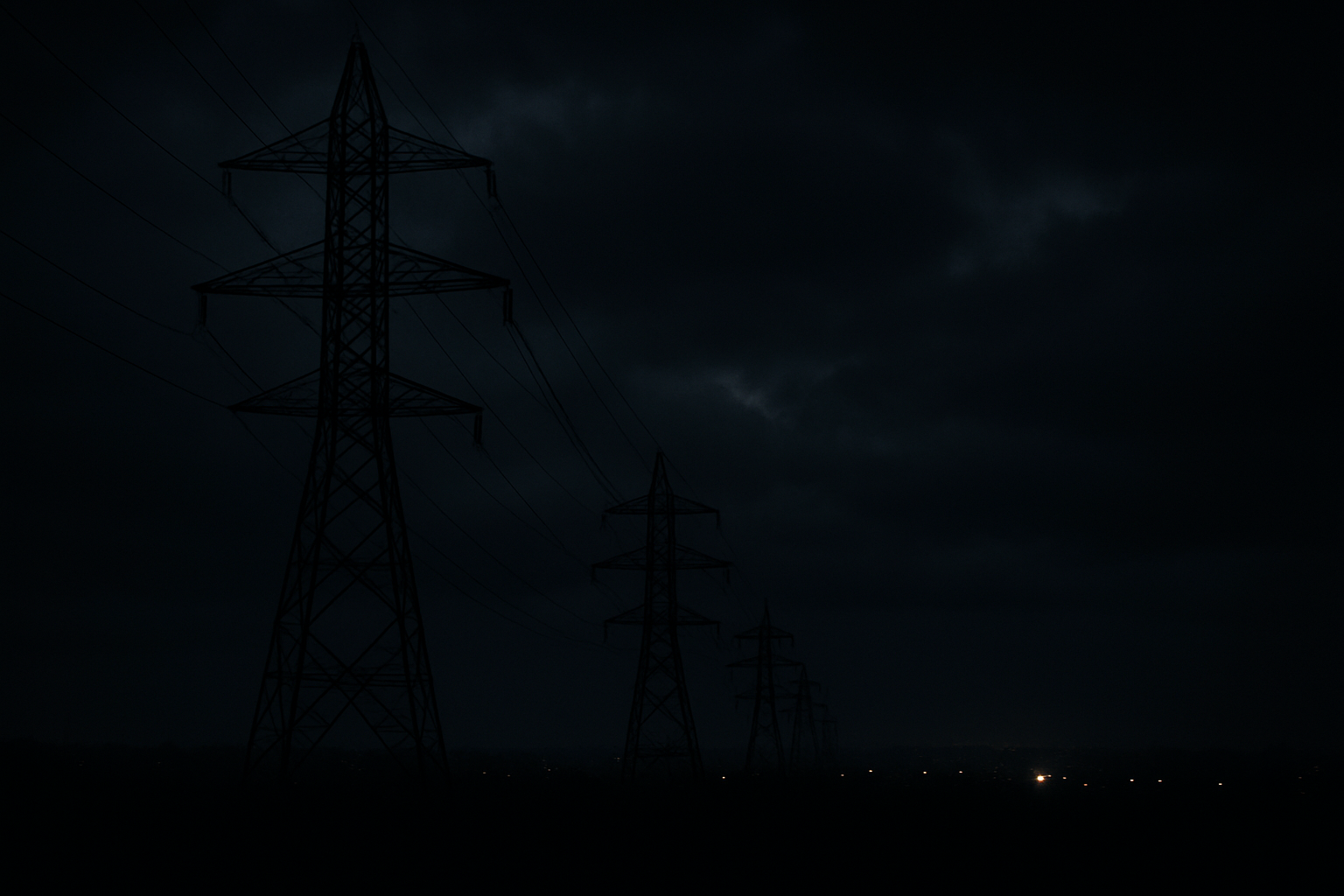
Cuba's National Electric System completely disconnected Saturday evening, plunging the entire island into darkness for the second time in less than a week as the country grapples with its worst energy crisis since the 1990s Special Period.
The power outage struck around 6:30 PM local time, affecting all 10+ million inhabitants across the island nation. According to Cuba's energy ministry, the blackout originated from another failure at the Antonio Guiteras thermoelectric power plant in Matanzas province, the same facility responsible for previous nationwide outages.
"A total disconnection of the national electricity system took place," the energy ministry announced on social media, adding that restoration efforts had begun immediately. However, no timeline for full power restoration was provided.
Crisis Reaches Unprecedented Scale
This marks the third complete nationwide blackout this month and the sixth major system-wide failure since late 2024, highlighting the catastrophic state of Cuba's aging electrical infrastructure. The crisis has been compounded by severe fuel shortages that have left the island critically dependent on dwindling oil reserves.
Before Saturday's total system collapse, approximately 51% of Cuba's population—roughly 5.5 million people—were already experiencing scheduled blackouts during peak hours, according to state electricity company Unión Eléctrica. Many regions have been receiving only 2-4 hours of electricity daily.
Oil reserves have dropped to a critical 15-20 day supply, while domestic production has collapsed from 3 million to just 700,000 barrels daily. The February 13 fire at the Ñico López refinery in Havana eliminated the island's remaining domestic petroleum processing capacity.
Tourism and Aviation Industry Devastated
The energy crisis has devastated Cuba's vital tourism sector. Major international hotel chains including Meliá, Iberostar, and Blue Diamond have closed facilities across Varadero and the northern coast due to operational difficulties.
The aviation sector has been particularly hard hit, with complete fuel shortages forcing the evacuation of over 25,000 tourists earlier this year, including 21,000 Canadians and 4,000 Russians. Major airlines including Air Canada, WestJet, Air Transat, Rossiya Airlines, and Nordwind suspended operations during the February-March aviation crisis.
Canada has issued its highest travel advisory warning of "serious and potentially life-threatening risks," effectively ending the crucial winter tourism season that provides vital foreign currency earnings.
International Response and Humanitarian Aid
The humanitarian crisis has prompted varied international responses. Russia has condemned what it calls "economic strangulation" and pledged to provide oil aid as humanitarian assistance, though no specific timeline or volumes have been announced.
Mexico continues to provide humanitarian aid through naval vessels carrying essential supplies, including 814 tons of food and medical equipment delivered via the ships Papaloapan and Isla Holbox. However, Mexico has suspended oil shipments to avoid potential U.S. economic retaliation.
China has demanded that the United States "immediately cease" pressure on Cuba, while former UK Labour leader Jeremy Corbyn has announced plans for an international flotilla to challenge the economic blockade.
Spain has committed to providing humanitarian aid through UN channels, including food and essential health products, following meetings between Spanish and Cuban foreign ministers.
Healthcare System Under Strain
Cuba's healthcare system faces critical challenges as power outages threaten medical equipment and medicine storage. Many hospitals have been forced to suspend non-emergency surgeries, while medical staff struggle with transportation difficulties.
The eastern provinces have been particularly affected, with 3.4 million people impacted by failures at the Holguín electrical substation. Medical evacuation capacity has been effectively eliminated, and the storage of temperature-sensitive medications remains at risk.
Economic Pressure and Regional Implications
The crisis intensified following the Trump administration's January 30 executive order threatening 25% tariffs on countries supplying oil to Cuba. This measure successfully pressured Venezuela and Mexico to halt petroleum shipments despite historical solidarity commitments.
The Cuban peso has reached historic lows, trading at approximately 500 units per U.S. dollar, representing a dramatic 15% weekly decline. The government has implemented emergency measures including four-day work weeks, closure of 90% of gas stations, and semi-virtual university classes.
The crisis has created tensions within the Caribbean Community (CARICOM), forcing member states to choose between maintaining solidarity with Cuba and preserving economic relationships with the United States.
Historical Context and Precedent
Energy experts note that the current crisis exceeds the severity of Cuba's 1990s "Special Period" following the Soviet Union's collapse. Unlike that earlier crisis, which resulted from external economic collapse, the current situation stems from deliberate economic pressure campaigns.
The systematic targeting of Cuba's energy infrastructure represents what analysts describe as a template for 21st-century economic warfare affecting entire civilian populations. The complete aviation isolation experienced earlier this year was unprecedented since the 1962 Cuban Missile Crisis.
Looking Forward
Cuban authorities have not provided a timeline for resolving the underlying energy crisis. The government has shifted its priorities toward "defense of internal order" as infrastructure failures continue to mount.
International observers warn that without a diplomatic breakthrough, alternative supply arrangements, or fundamental infrastructure changes, Cuba faces the prospect of sustained economic isolation that could reshape the Caribbean region and establish concerning precedents for economic coercion of small island states.
The situation remains fluid as the island nation struggles to restore basic services while managing the broader humanitarian and economic challenges that have emerged from its worst energy crisis in over three decades.