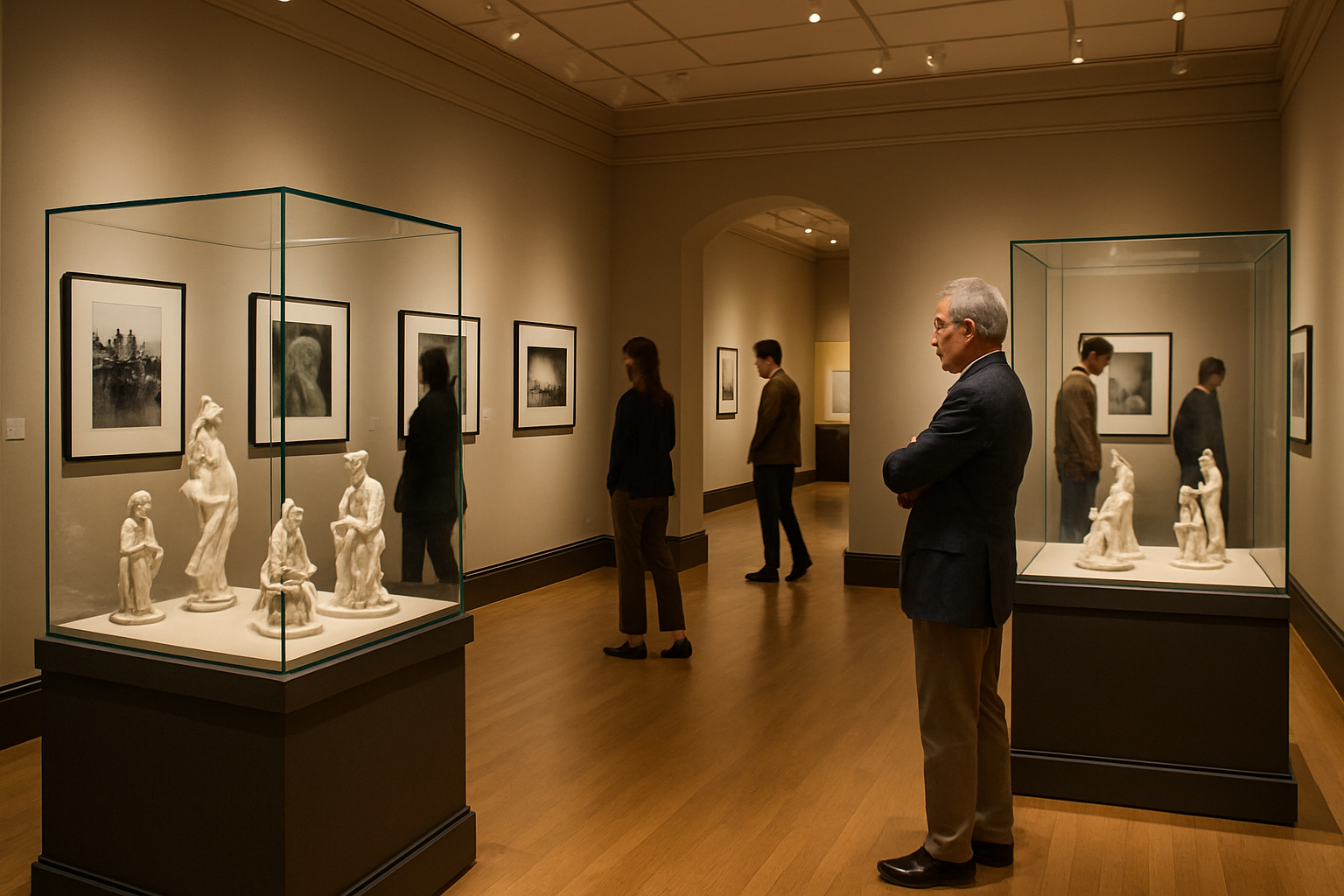
Two remarkable stories of cultural preservation and artistic dedication emerged across Europe this weekend, highlighting the continuing momentum of the 2026 Cultural Renaissance with Vienna's Wien Museum acquiring the estate of internationally renowned photographer Christine de Grancy, while in rural Bulgaria, a woman has quietly assembled Europe's largest porcelain collection in her village home.
Vienna Museum Honors Late Photography Master
The Wien Museum announced the acquisition of a significant portion of the estate of Christine de Grancy (1942–2025), the internationally acclaimed photographer who passed away in March of last year. The acquisition represents one of the most important photography collections to enter Austrian public institutions in recent years, showcasing de Grancy's unique visual documentation of Vienna and the world over several decades.
De Grancy's works offer an extraordinary testimony to her artistic vision, capturing both intimate moments and sweeping cultural landscapes with remarkable technical precision and emotional depth. Her photographs span multiple continents and cultures, yet maintain a distinctive perspective that made her one of the most respected documentary photographers of her generation.
"De Grancy's lens captured not just images, but the very soul of Vienna's transformation through the decades."
— Wien Museum spokesperson
The collection provides invaluable documentation of social, cultural, and urban transformation in Vienna and beyond, offering future researchers and the public unprecedented insights into the evolution of European society through the latter half of the 20th and early 21st centuries. The museum's acquisition ensures these works will be preserved and made accessible to scholars and art enthusiasts worldwide.
Bulgaria's Porcelain Palace: A Four-Decade Labor of Love
In the village of Braninpole, Bulgaria, Antoaneta-Maria has achieved something extraordinary: creating what experts believe to be the largest porcelain figurine collection not only in Bulgaria, but across all of Eastern Europe. Over the course of 40 years, she has assembled more than 1,000 exquisite statuettes that have transformed her home and 40-year-old bookshop into what resembles a fairytale palace more than a conventional residence.
Each figurine in the collection carries its own story, reflecting Antoaneta-Maria's discerning eye and passionate commitment to preserving the artistry of porcelain craftsmanship. The collection began with a single glance in an antique shop, sparking a lifelong dedication that would eventually create one of Europe's most remarkable private cultural repositories.

The collection spans multiple periods and styles of porcelain production, from delicate 18th-century European pieces to contemporary artistic works. Visitors describe entering the space as stepping into an alternate reality where every surface gleams with carefully arranged ceramic treasures, each positioned to complement and enhance the others in a symphony of artistic expression.
Cultural Heritage as Living Community Infrastructure
These parallel stories of cultural preservation illuminate the ongoing European Cultural Renaissance documented throughout 2026, where heritage preservation has evolved from static museum practices to dynamic, community-engaged programming. Both the Vienna acquisition and the Bulgarian collection demonstrate how cultural stewardship operates at multiple levels – from institutional preservation to individual passion projects that enrich entire communities.
The Wien Museum's acquisition of de Grancy's photographic estate exemplifies the sophisticated approach European institutions are taking toward cultural preservation, ensuring that important artistic legacies remain accessible to future generations while honoring the artist's vision and contribution to cultural dialogue.
Meanwhile, Antoaneta-Maria's remarkable collection represents the power of individual dedication in preserving cultural heritage. Her 40-year commitment to assembling and maintaining this extraordinary porcelain repository has created not just a personal collection, but a cultural destination that enriches understanding of ceramic artistry across Eastern Europe.
Technology and Tradition in Modern Preservation
Both collections benefit from contemporary preservation approaches that synthesize technological innovation with traditional stewardship methods. The Wien Museum's acquisition includes comprehensive digital documentation ensuring global accessibility while preserving original works under optimal conditions. Similarly, the Bulgarian porcelain collection has gained international attention through digital platforms that share its beauty with collectors and art enthusiasts worldwide.
"True cultural preservation requires both institutional excellence and individual passion – these collections exemplify how both approaches can create lasting cultural value."
— European Heritage Foundation
This technological integration amplifies rather than replaces authentic cultural connections, enabling broader access to artistic treasures while maintaining the intimate, contemplative experiences that make cultural engagement meaningful. Digital documentation serves as insurance against loss while creating educational resources that extend the collections' impact far beyond their physical locations.
Economic and Cultural Impact
These cultural developments generate substantial economic multiplier effects through cultural tourism, educational partnerships, and enhanced international recognition. The Wien Museum acquisition positions Vienna as a premier destination for photography and visual arts scholarship, while the Bulgarian collection has begun attracting international visitors interested in ceramic artistry and Eastern European cultural traditions.
Cultural tourism associated with such collections creates year-round employment opportunities in hospitality, education, and cultural services while preserving and promoting traditional craftsmanship and artistic appreciation. The economic benefits extend far beyond admission fees, creating sustainable funding models that support ongoing preservation and community development.
Lessons for Global Cultural Stewardship
The success of both the Vienna acquisition and the Bulgarian collection offers valuable templates for 21st-century cultural stewardship. Key factors include community engagement with traditional knowledge bearers, strategic use of technology to enhance rather than replace authentic experiences, and sustainable economic models that generate long-term support for preservation efforts.
These initiatives also demonstrate the importance of international cooperation in cultural preservation. The Vienna collection benefits from global scholarly networks and exhibition partnerships, while the Bulgarian collection has gained recognition through European cultural exchange programs that highlight the richness of Eastern European artistic traditions.
Perhaps most significantly, both stories illustrate how cultural preservation serves as essential infrastructure for community development and international understanding, creating bridges between different cultures, generations, and artistic traditions while honoring the distinctiveness that makes each cultural contribution unique and valuable.
Future Implications
As part of the broader 2026 Cultural Renaissance, these developments establish precedents for balancing innovation with tradition, local authenticity with global cooperation, and economic viability with cultural integrity. They demonstrate that thoughtful investment in cultural preservation creates lasting positive impacts that honor the past while embracing future possibilities.
The Vienna photography collection and Bulgarian porcelain repository provide compelling evidence of culture's capacity to unite communities across boundaries while celebrating distinctive traditions and artistic achievements. As communities worldwide recognize cultural preservation as strategic infrastructure equivalent to transportation and communication systems, these successful models offer guidance for creating sustainable, community-centered programs that serve multiple societal functions.
Together, these remarkable achievements showcase humanity's enduring commitment to preserving and sharing cultural treasures, ensuring that the artistic legacy of previous generations continues to enrich and inspire future communities across an increasingly connected yet culturally diverse world.