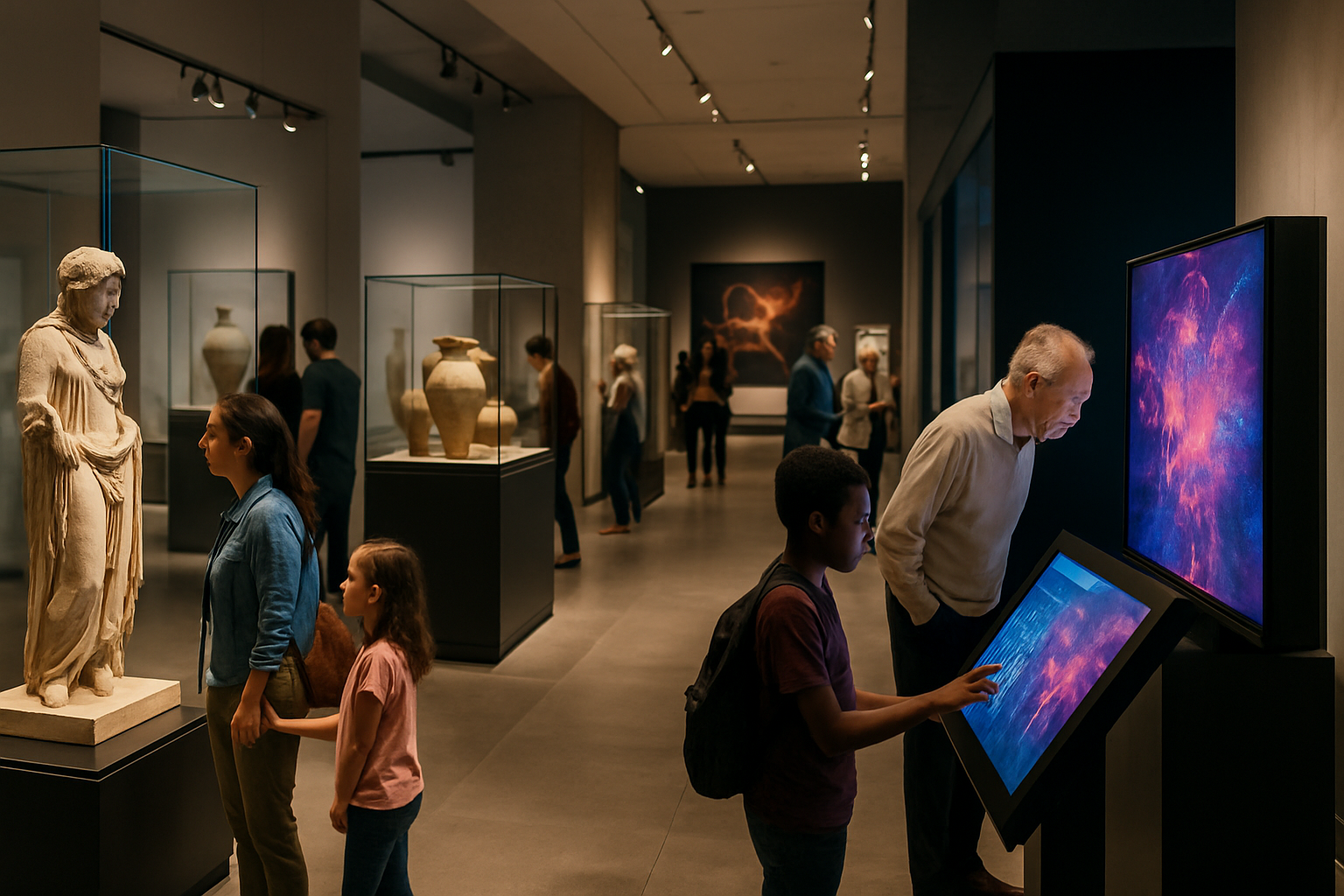
Museums and cultural institutions across Europe are experiencing unprecedented transformation as they balance heritage preservation with contemporary innovation, according to new data from Croatia, Czech Republic, and Estonia that reveals surging visitor numbers alongside evolving approaches to cultural accessibility.
Croatia's museums welcomed 5,144,262 visitors in 2025, representing an 8.1% increase from 2024, according to reports from Zagreb. This surge reflects a broader global cultural renaissance that has been building momentum since February 2026, when nations worldwide began coordinating sophisticated cultural programming that bridges traditional preservation with technological enhancement.
Croatia's Museum Boom Reveals Youth Engagement Challenges
Despite the overall visitor increase, Croatian museum data reveals concerning demographic trends. While total attendance reached impressive figures, youth participation showed notable decline, highlighting challenges facing cultural institutions in engaging younger generations increasingly drawn to digital entertainment platforms.
The visitor surge places Croatia's most visited museums under new operational pressures while creating opportunities for enhanced cultural tourism revenue. Museums reported that international visitors constituted a significant portion of the growth, suggesting that Croatia's strategic positioning as a cultural bridge between Central and Mediterranean traditions is resonating globally.
"These numbers reflect our commitment to making cultural heritage accessible while maintaining authentic preservation standards,"
— Croatian Cultural Officials, Zagreb
Czech Republic Pioneers Democratic Cultural Access
The Czech Republic announced a groundbreaking initiative offering free Sunday admission once monthly at three major museums, including Prague's National Gallery. This policy represents a significant shift toward cultural democratization, making high-quality exhibitions accessible regardless of economic circumstances.
The program builds on successful models from other European nations that have demonstrated free access periods can dramatically increase visitor diversity without undermining financial sustainability. Czech cultural authorities positioned the initiative as part of broader efforts to position culture as essential public infrastructure equivalent to healthcare or education.
Implementation begins immediately, with participating institutions coordinating schedules to maximize visitor options while managing capacity constraints. The program includes enhanced multilingual support and educational programming specifically designed for first-time museum visitors.
Estonia Showcases Animation Heritage Innovation
Estonia's Nukufilm studio celebrated its 70-year stop-motion legacy through a major exhibition at Tallinn's Solaris Center, demonstrating how cultural institutions can honor traditional craftsmanship while embracing contemporary presentation methods. The exhibition provides unprecedented access to figures and techniques behind Estonia's most iconic animated films.
This celebration occurs during Estonian Film Month, positioning the Baltic nation as a leader in cultural programming that respects heritage authenticity while achieving global accessibility. The exhibition features interactive elements allowing visitors to understand stop-motion animation processes while preserving the artistic integrity of original works.
Estonia's approach exemplifies successful technology-tradition synthesis that has characterized the global cultural renaissance throughout 2026. Digital enhancement tools amplify rather than replace authentic cultural expression, creating broader international engagement while maintaining community ownership and cultural significance.
Global Context: February 2026 Cultural Renaissance Continues
These developments continue the documented "February 2026 Cultural Renaissance," an unprecedented period of coordinated international cultural activity spanning continents. From Azerbaijan's cultural diplomacy initiatives to Brazil's memory-based heritage preservation, nations worldwide have simultaneously recognized culture as strategic infrastructure requiring sophisticated stewardship approaches.
Success factors identified across initiatives include community engagement with traditional knowledge bearers, economic viability through sustainable cultural tourism, institutional frameworks supporting grassroots innovation, and international cooperation enabling resource sharing while respecting local distinctiveness.

Technology Enhancement vs. Replacement Debate
The Croatian, Czech, and Estonian initiatives demonstrate mature evolution in cultural institution approaches to technological integration. Rather than viewing digital tools as threats to authentic cultural expression, successful institutions utilize technology as enhancement mechanisms that expand accessibility while preserving essential human connections.
Digital documentation enables global sharing of cultural treasures while maintaining source community ownership. Advanced climate control systems protect irreplaceable artifacts while sophisticated visitor management systems ensure sustainable access. Interactive educational platforms provide contextual information without diminishing contemplative museum atmospheres.
This balanced approach contrasts sharply with earlier concerns that digitization would diminish cultural authenticity. Evidence from 2026 suggests thoughtful technology integration strengthens rather than weakens cultural institutions' abilities to serve their communities while achieving international recognition.
Economic Multiplier Effects Drive Investment
Cultural tourism generates substantial economic benefits beyond immediate ticket sales. Croatia's visitor surge creates employment across hospitality, transportation, retail sectors while attracting international media attention that enhances the nation's cultural reputation. Hotels, restaurants, and local artisans benefit from increased cultural tourism, creating sustainable economic models that support continued cultural investment.
Czech Republic's free access initiative, while reducing direct revenue, aims to build long-term visitor loyalty while demonstrating culture's public value. Research from similar European programs indicates free access periods often convert occasional visitors into regular supporters who contribute through memberships, donations, and advocacy.
Estonia's animation celebration positions the nation as a destination for creative industry professionals and animation enthusiasts, potentially attracting film festivals, academic conferences, and industry collaborations that provide ongoing economic benefits while preserving cultural heritage.
Addressing Contemporary Challenges
Despite successes, cultural institutions face significant contemporary challenges requiring adaptive strategies. Climate change threatens historic buildings and outdoor programming through extreme weather events. Economic pressures affect youth participation in traditional arts as young people face financial constraints limiting cultural engagement.
Digital entertainment competition requires cultural institutions to demonstrate unique value propositions that justify sustained attention in an environment of unlimited digital distractions. Balancing global visibility with local authenticity becomes increasingly complex as international recognition creates pressures to modify programming for broader appeal.
Successful institutions address these challenges through community leadership that ensures local needs remain paramount while institutional support facilitates rather than directs programming. International cooperation enables resource sharing and expertise exchange while maintaining distinctive cultural characteristics that provide competitive advantages.
International Cooperation Models
The Croatian, Czech, and Estonian developments demonstrate sophisticated international cooperation frameworks that benefit all participants. European Union cultural programs provide funding and policy coordination while respecting national sovereignty over cultural priorities. Bilateral agreements facilitate artist exchanges, exhibition loans, and scholarly collaborations.
Informal professional networks enable rapid sharing of best practices, crisis management strategies, and innovation techniques. Croatian tourism success benefits Czech and Estonian cultural sectors through shared marketing initiatives and coordinated programming that presents Central and Eastern Europe as integrated cultural destinations.
This cooperation contrasts with traditional competitive approaches where nations viewed cultural recognition as zero-sum competitions. Contemporary evidence suggests authentic cultural cooperation strengthens all participants while creating broader international understanding and peaceful relationships.
"Cultural cooperation has evolved beyond simple exchange programs to become strategic infrastructure for international understanding and economic development."
— European Cultural Policy Analysts
Youth Engagement Strategies
Croatia's concerning youth attendance decline reflects broader challenges facing cultural institutions worldwide in engaging digital-native generations. Successful youth engagement requires programming that respects young people's technological fluency while providing authentic cultural experiences unavailable through digital platforms.
Interactive educational programs, behind-the-scenes access, artist mentorship opportunities, and collaborative creative projects have shown success in other contexts. Cultural institutions increasingly offer internship programs, youth advisory committees, and peer education initiatives that position young people as cultural leaders rather than passive consumers.
Estonia's animation exhibition succeeds in youth engagement by connecting historical craftsmanship with contemporary creative industries that offer career pathways. Young visitors can understand stop-motion animation as both cultural heritage and potential profession, creating personal investment in preservation efforts.
Future Implications for Global Cultural Policy
These developments establish precedents for 21st-century cultural stewardship that balance innovation with tradition, local authenticity with international cooperation, economic viability with cultural integrity. Success across varied contexts provides practical templates adaptable to specific cultural and economic circumstances worldwide.
Evidence suggests authentic cultural expression can achieve global appeal while maintaining local significance, creating sustainable models for cultural development that serve community needs while achieving international recognition. Culture increasingly functions as strategic infrastructure for community development, international relationships, and human flourishing.
The February 2026 Cultural Renaissance appears to represent a watershed moment when communities worldwide simultaneously recognized culture's fundamental role in addressing contemporary challenges including climate adaptation, economic resilience, social cohesion, and international cooperation.
Policy Recommendations for Sustainable Development
Successful cultural development requires comprehensive approaches addressing individual preferences, structural barriers, and resource constraints. Policy frameworks should emphasize community engagement over elite consumption, authentic cultural expression over standardized programming, and sustainable economic models over short-term revenue maximization.
Institutional support should facilitate rather than direct cultural programming, enabling communities to adapt traditional practices to contemporary contexts while maintaining essential characteristics. International cooperation should respect distinctive identities while fostering mutual understanding and resource sharing.
Technology integration should enhance rather than replace authentic cultural expression, expanding accessibility while preserving community ownership and spiritual significance. Economic development should serve cultural preservation rather than dominating cultural priorities, ensuring sustainability without compromising authenticity.
Looking Forward: Culture as Essential Infrastructure
The Croatian visitor surge, Czech democratic access initiatives, and Estonian heritage innovation demonstrate culture's evolution from optional enhancement to essential community infrastructure. These institutions serve multiple functions simultaneously: heritage preservation, community bonding, economic development, international cooperation, and educational advancement.
Success depends fundamentally on community engagement, authentic cultural expression, strategic technology integration, sustainable economic models, and international cooperation that respects distinctiveness while fostering global understanding. The template established through 2026 cultural renaissance initiatives provides frameworks for continued cultural development addressing contemporary challenges while honoring past achievements.
As global communities face increasing interconnection alongside local identity pressures, cultural institutions serve as bridges enabling understanding across boundaries while celebrating diversity. Their success in balancing preservation with innovation, tradition with accessibility, and local authenticity with global cooperation demonstrates humanity's capacity for cultural resilience and creative adaptation in addressing the complex challenges of an interconnected world.