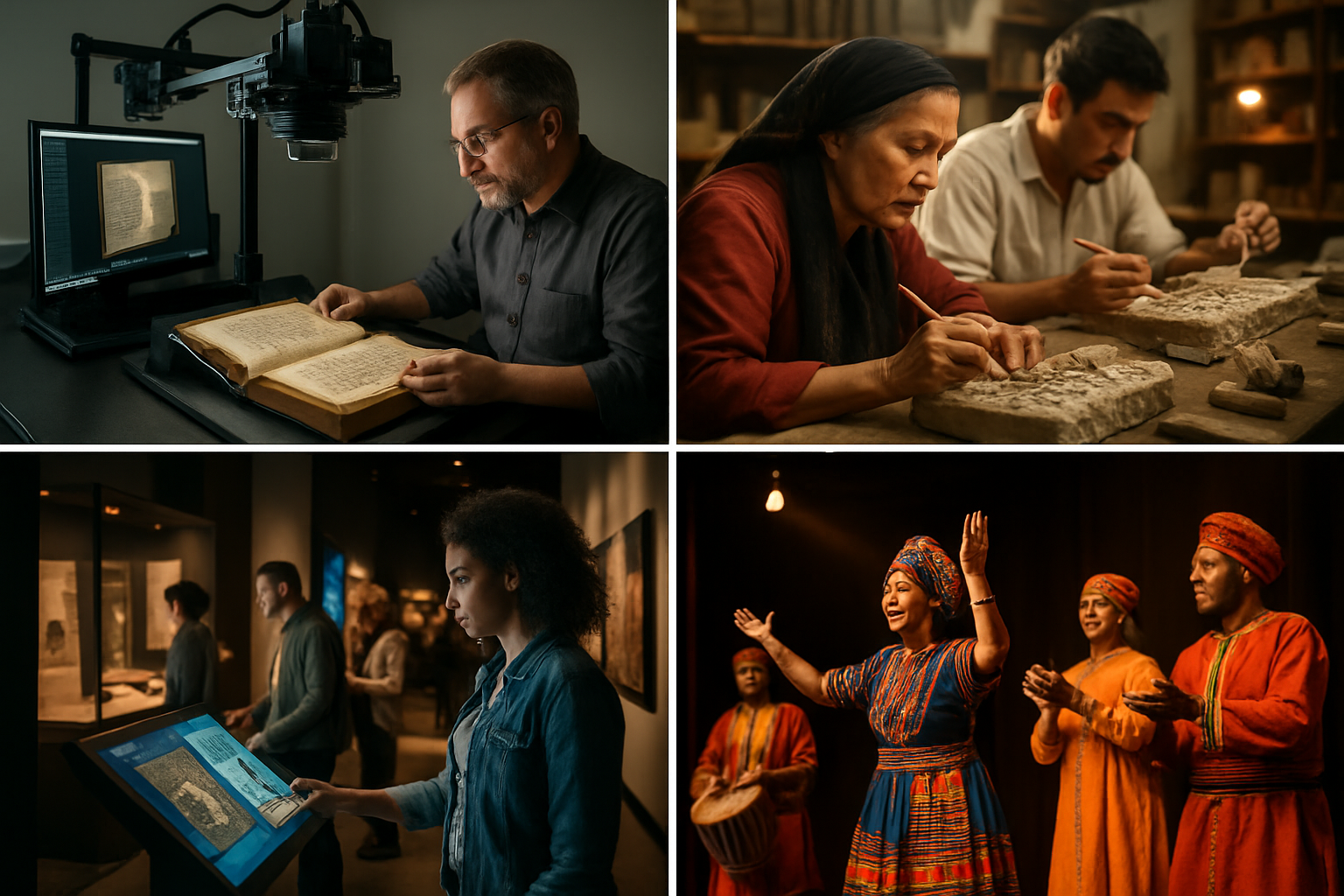
A remarkable surge in cultural heritage preservation and artistic innovation continues to sweep across the globe, with Azerbaijan, Estonia, Haiti, and Portugal leading diverse initiatives that exemplify the ongoing "February 2026 Cultural Renaissance" documented worldwide.
The latest developments spanning March 12, 2026, demonstrate how nations are increasingly recognizing culture as strategic infrastructure equivalent to transportation, communication, and healthcare systems—fundamental for community development and international cooperation.
Azerbaijan's Cultural Bridge Strategy
The Azerbaijan National Carpet Museum has opened the 6th Alaca Weaving Collective Exhibition, marking another milestone in the nation's sophisticated cultural diplomacy approach. This initiative builds upon Azerbaijan's strategic positioning as a bridge between Eastern and Western traditions, complementing recent Egyptian-Azerbaijani poetry evenings and international artistic collaborations.
The exhibition represents more than mere cultural display—it embodies Azerbaijan's comprehensive approach to heritage preservation that combines traditional craftsmanship with contemporary presentation methods. The museum's programming serves multiple functions: heritage preservation, community education, international diplomacy, and economic development through cultural tourism.
"Azerbaijan's cultural initiatives demonstrate how smaller nations can compete effectively in global cultural markets through authentic programming and strategic international partnerships."
— Cultural Heritage Analysis, Planet News
Estonia's Historic Repatriation Achievement
In a deeply symbolic gesture, Estonians living in Australia are transferring to the Estonian National Museum the Estonian flag rescued from Kadriorg Palace on September 21, 1944—just before Soviet occupation forces reached Tallinn. This remarkable preservation story spans nearly 82 years and demonstrates the extraordinary commitment of diaspora communities to cultural heritage preservation.
The flag's journey from wartime rescue to international repatriation exemplifies successful heritage stewardship combining community engagement with institutional support. The Estonian National Museum's acceptance of this historic artifact represents the mature evolution of cultural institutions serving both preservation and community identity reinforcement functions.
This repatriation aligns with global trends in ethical museum practices, following successful examples like the Metropolitan Museum's 2024 repatriation of Khmer sculptures and the Netherlands' proactive return of Egyptian artifacts. Estonia's approach demonstrates how voluntary cultural cooperation strengthens rather than weakens international relationships.
Haiti's UNESCO Heritage Recognition Bid
Haiti has nominated the archives of Le Nouvelliste for UNESCO's Memory of the World Register, representing a significant step in recognizing Caribbean nations' contributions to global journalism and cultural heritage. The newspaper, housed in a historic building on Rue du Centre in Port-au-Prince, has documented Haitian history through decades of political and social transformation.
This nomination reflects Haiti's strategic approach to cultural preservation amid challenging circumstances. The initiative positions the nation's journalistic heritage within international frameworks while maintaining local ownership and cultural authenticity—a template successfully employed by other nations during the documented global cultural renaissance.
The UNESCO nomination also demonstrates how smaller nations can achieve international cultural recognition through coordinated programming and authentic heritage presentation, creating pathways for future cultural diplomacy and educational partnerships.
Portugal's Anniversary Cultural Programming
The Festival Monstra celebrates its 25th edition with programming dedicated to nature while marking 50 years of Aardman Animations. For the first time, the festival features a competitive section dedicated to medium-length films, plus an exhibition based on the legacy of promoter Vasco Granja and animation initiatives supporting Palestine.
Portugal's approach demonstrates sophisticated cultural programming that balances tradition with contemporary innovation. The festival's evolution reflects broader trends in European cultural institutions embracing genre-mixing, international collaboration, and socially conscious programming while maintaining artistic excellence and community accessibility.
The inclusion of Palestinian support initiatives showcases how cultural events can serve as platforms for international solidarity while preserving their core artistic missions—a model increasingly adopted by festivals worldwide during the current cultural renaissance period.
Technology-Tradition Synthesis Success
Across all four nations, successful cultural initiatives demonstrate mature technological integration that enhances rather than replaces authentic cultural expression. Digital documentation, social media engagement, and virtual accessibility amplify traditional practices while maintaining community ownership and spiritual significance.
Azerbaijan's museum exhibitions utilize contemporary presentation methods while preserving traditional craftsmanship knowledge. Estonia's repatriation involves sophisticated conservation techniques ensuring artifact preservation during international transfer. Haiti's UNESCO nomination leverages digital archiving for global accessibility while maintaining local control. Portugal's festival incorporates modern animation techniques celebrating historical achievements.
Economic and Diplomatic Impact
These cultural initiatives generate substantial economic multiplier effects through tourism development, creative industry employment, international media attention, and enhanced diplomatic relationships. Nations investing in authentic cultural programming report competitive advantages in tourism, international relationships, and community resilience.
Azerbaijan's cultural bridge strategy strengthens ties with both Eastern and Western partners. Estonia's diaspora engagement creates lasting networks supporting investment and educational exchange. Haiti's UNESCO bid enhances international standing and positions the nation as a guardian of Caribbean cultural heritage. Portugal's festival programming attracts international participants and media coverage, boosting cultural tourism.
International Cooperation Templates
The success of these diverse initiatives provides practical templates for international cultural cooperation that respect local authenticity while fostering global understanding. Common success factors include community engagement with traditional knowledge bearers, sustainable economic models through cultural tourism and educational partnerships, and institutional support enabling local adaptation while maintaining international standards.
The coordination evident across these programs suggests growing recognition of culture as essential infrastructure requiring systematic investment and adaptive management. Unlike competitive nationalism, the current cultural renaissance emphasizes collaborative approaches where institutions share expertise, coordinate marketing, and develop joint programming for mutual benefit.
Future Implications
March 2026 represents a continuation of unprecedented cultural cooperation documented globally since February. The success of initiatives spanning carpet exhibitions, flag repatriations, UNESCO nominations, and anniversary festivals establishes precedents for 21st-century cultural stewardship that successfully balances innovation with tradition, local authenticity with international cooperation, and economic viability with cultural integrity.
These developments demonstrate humanity's capacity for preserving and sharing cultural treasures while building bridges between communities, nations, and traditions. As challenges including climate change, economic pressures, and technological disruption intensify, the success of these coordinated cultural preservation efforts provides hope for sustainable approaches to maintaining cultural diversity in an interconnected world.
The evidence from Azerbaijan, Estonia, Haiti, and Portugal suggests that communities worldwide are recognizing culture not as optional enhancement, but as fundamental infrastructure essential for human flourishing, international peace, and community resilience in the face of global challenges.