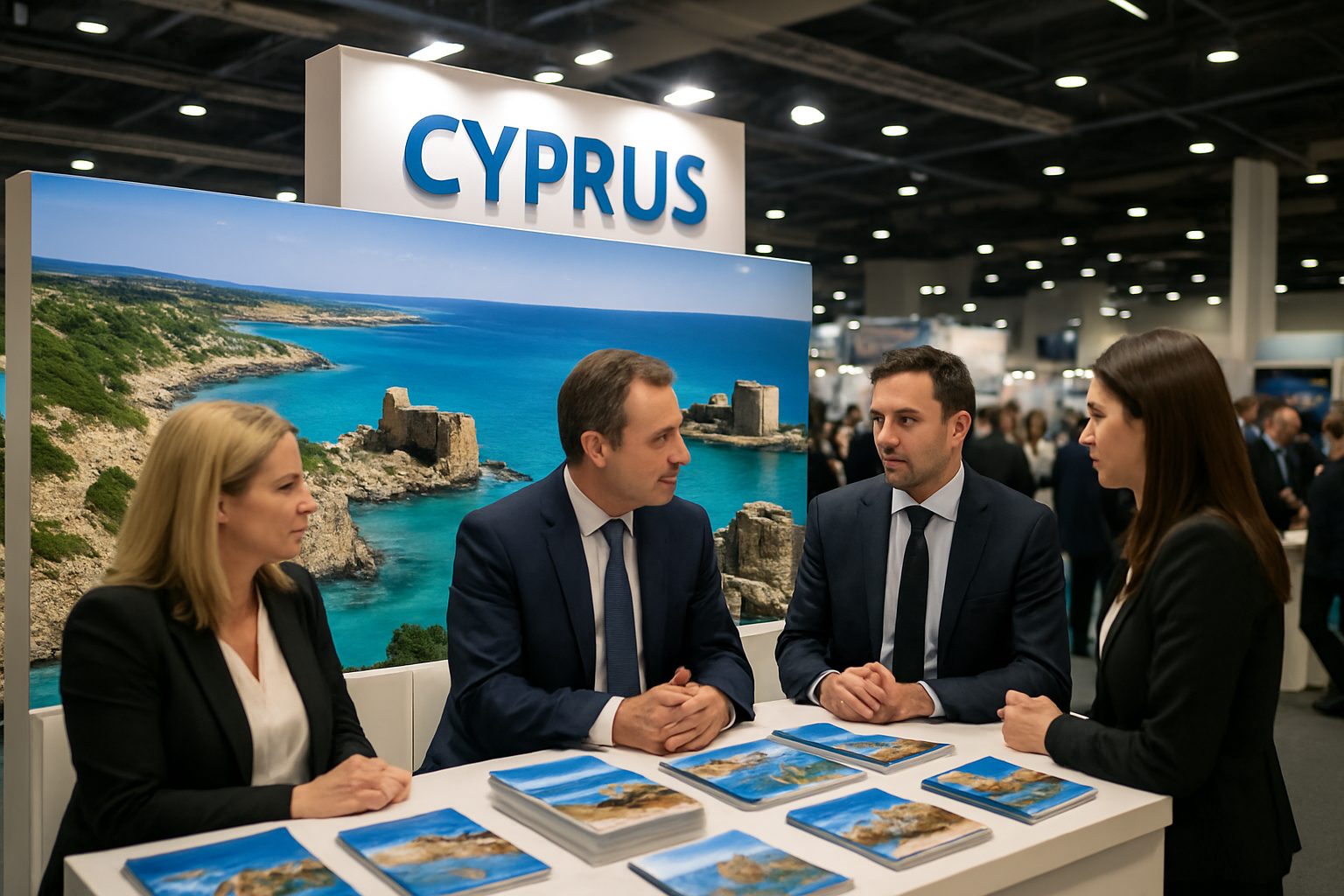
Cyprus is simultaneously showcasing its tourism appeal at domestic travel exhibitions while positioning itself as a crucial diplomatic hub, as the island nation prepares to host regional leaders from Egypt, Jordan, Lebanon, and Syria for next week's European Council summit.
The dual approach highlights Cyprus's strategic balancing act between maintaining its vital tourism industry and leveraging its unique position as a bridge between Europe and the Middle East during a period of unprecedented regional tensions.
Tourism Industry Resilience
The Paphos Regional Board of Tourism's participation in the Travel 2026 exhibition in Nicosia this weekend represents the island's determination to maintain domestic tourism momentum despite regional challenges. The three-day fair, running from Friday, April 17, to Sunday, April 19, at the Cyprus State Fair Grounds, follows successful Easter holiday campaigns targeting island residents.
Tourism officials are encouraging Cypriots to explore the Paphos district's diverse offerings, from the natural landscapes of the Akamas Peninsula to the traditional villages of Laona. The campaign extends along Cyprus's western coastline, encompassing areas from Kouklia and Geroskipou in the south through Paphos, Chloraka, and Peyia, continuing to Neo Chorio in the north.
This domestic focus comes as Cyprus tourism faces ongoing challenges from regional instability. The island achieved record numbers in 2025 with 4.5 million visitors generating €3.6 billion in revenue, but spring and summer bookings have remained below expectations due to proximity to Middle Eastern conflicts.
Diplomatic Hub Status
While promoting tourism domestically, Cyprus is simultaneously cementing its role as a crucial diplomatic venue. European Affairs Deputy Minister Marilena Raouna announced on Friday that leaders from four key Middle Eastern nations have been invited to attend next week's European Council summit on the island.
The invited leaders include Egyptian President Abdel Fattah al-Sisi, Jordanian King Abdullah II, Lebanese President Joseph Aoun, and Syrian President Ahmed al-Sharaa. Those who "respond positively" will be announced on Monday, according to Raouna.
"Initially, the plan was to invite the 10 countries participating in the Pact for the Mediterranean, so as to specifically discuss its implementation. However, due to developments in the region, the decision was made to maintain this limited format of guests."
— Marilena Raouna, European Affairs Deputy Minister
The Pact for the Mediterranean includes Algeria, Egypt, Israel, Jordan, Lebanon, Libya, Morocco, Palestine, Syria, and Tunisia, representing a comprehensive approach to regional cooperation.
Strategic Geographic Positioning
Cyprus's ability to host such high-level diplomatic meetings while maintaining tourism operations demonstrates the island's unique strategic value. Located just 100 miles from Lebanon and 200 miles from Syria, Cyprus serves as an intersection point for multiple regional interests while maintaining its European Union membership and relative stability.
The island's recent experience managing regional crises has enhanced its credibility as a diplomatic venue. Earlier in 2026, Cyprus successfully activated its ESTIA evacuation plan for the first time, managing evacuations of European nationals during Middle Eastern conflicts and demonstrating its crisis management capabilities.
This dual capacity – as both a peaceful tourism destination and a secure diplomatic venue – positions Cyprus uniquely in the current regional landscape. The island's infrastructure can accommodate both leisure travelers exploring ancient sites and world leaders discussing regional security.
Economic Balancing Act
The simultaneous pursuit of tourism promotion and diplomatic hosting reflects Cyprus's economic pragmatism. Tourism remains a crucial economic pillar, with the industry employing thousands and contributing significantly to GDP. The domestic campaign aims to maintain tourism momentum even if international visitor numbers remain constrained by regional tensions.
Meanwhile, hosting major diplomatic events enhances Cyprus's international profile and can generate economic benefits through increased business travel, international media attention, and strengthened diplomatic relationships that may benefit various sectors.
The tourism board's coordination with the Deputy Ministry of Tourism ensures that Paphos remains among top domestic travel choices for Cyprus residents, with promotion continuing through summer via social media campaigns. This grassroots approach helps sustain the industry during challenging international circumstances.
Regional Context and Timing
The timing of both initiatives – the tourism fair and the diplomatic summit – reflects Cyprus's careful navigation of current regional dynamics. While Middle Eastern tensions have disrupted traditional tourism patterns and flight routes, Cyprus has maintained its position as a relatively stable hub.
The limitation of the European Council summit to four specifically invited leaders, rather than the full Mediterranean Pact membership, demonstrates pragmatic diplomacy adapted to current regional realities. This focused approach may prove more effective than broader multilateral forums during times of heightened tension.
Cyprus's approach also reflects lessons learned from recent regional crises, including the successful coordination of international evacuations and the management of increased European naval presence in Eastern Mediterranean waters.
Looking Forward
As Cyprus continues balancing tourism promotion with diplomatic engagement, the island demonstrates how smaller EU nations can maximize their strategic advantages. The combination of geographic position, political stability, and experienced crisis management creates opportunities for both economic development and international influence.
The success of next week's summit could further establish Cyprus as a preferred venue for regional diplomatic initiatives, potentially creating a sustainable model that combines economic interests with strategic influence. Meanwhile, the continued emphasis on domestic tourism provides a foundation for industry resilience during uncertain times.
Cyprus's dual approach – promoting its beaches and historical sites while hosting presidents and kings – exemplifies modern diplomatic pragmatism in an interconnected but unstable world. The island's ability to maintain both functions simultaneously may serve as a model for other nations seeking to balance economic needs with strategic opportunities in challenging regional environments.