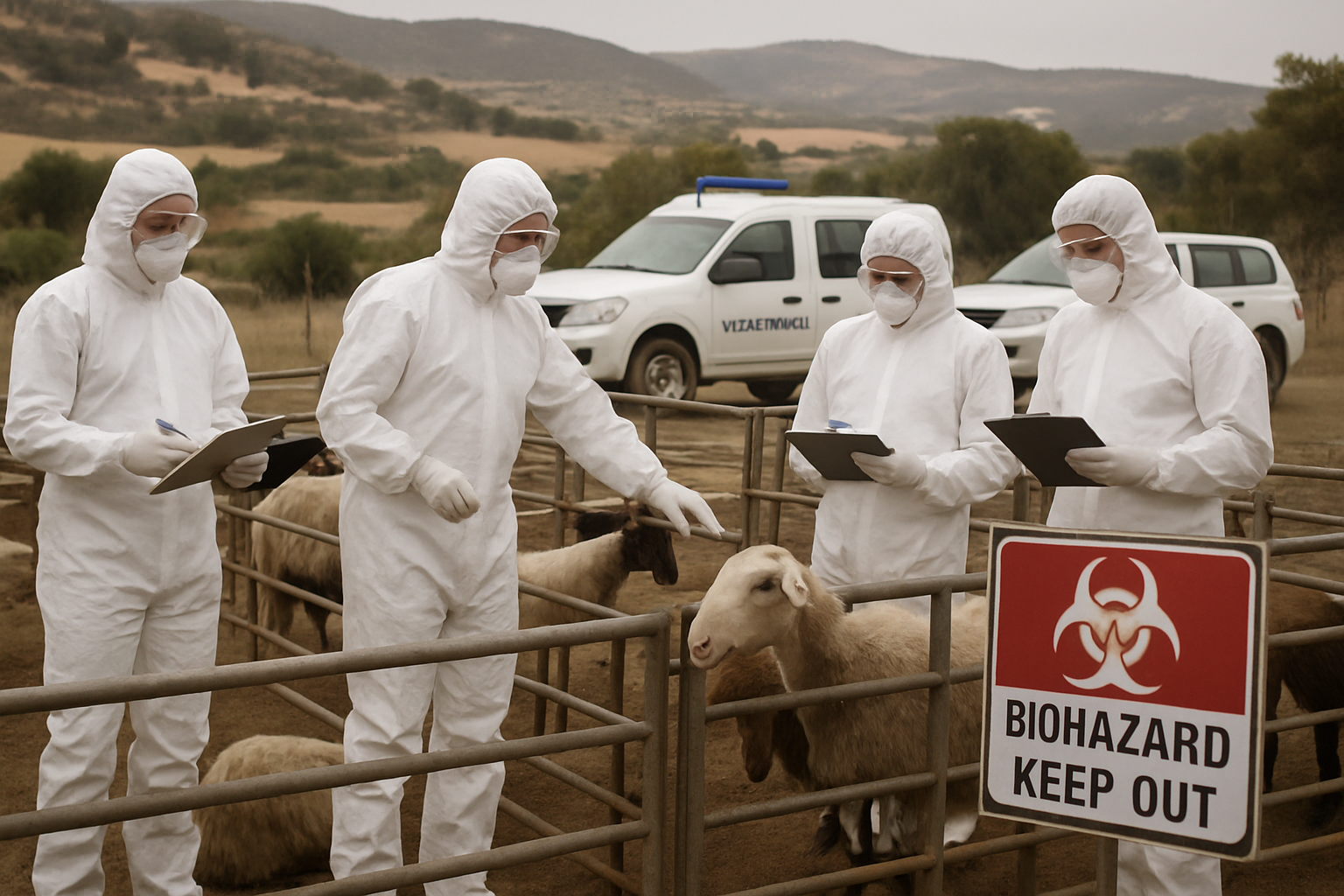
Cyprus has imposed unprecedented nationwide quarantine measures as foot-and-mouth disease spreads rapidly beyond its initial outbreak zone, with authorities warning the situation has become "extremely critical" just days after the first confirmed cases.
The Veterinary Services moved to ban all animal and feed movement across the island Sunday, including transfers to slaughterhouses, as new positive cases were detected in multiple livestock units around the original epicenter in Oroklini, Larnaca district. The sweeping restrictions require farmers to obtain permits from district veterinary offices before moving any animals or animal products.
Saturday's discovery of foot-and-mouth disease in two large sheep and goat facilities in Oroklini prompted authorities to expand containment zones and cancel public celebrations, including the traditional Green Monday events scheduled for the area.
Rapid Disease Transmission Overwhelms Initial Containment
The outbreak has spread faster than initially anticipated, with linked infections confirmed at a cattle farm in nearby Livadia where approximately 300 animals are scheduled for culling. All livestock at the Livadia facility will be destroyed, while meat and milk products from affected farms have been seized as a precautionary measure.
"Within the framework of measures to control and limit the spread of foot and mouth disease, any movement of animals and feed, including grazing outside livestock premises, is prohibited throughout Cyprus without the prior granting of relevant approval," the Veterinary Services department announced Sunday.
The rapid expansion beyond the initial three-kilometer protection zone established around Oroklini has forced authorities to acknowledge that containment efforts may have come too late to prevent wider transmission. Officials fear the virus had been circulating in the original facilities for at least two weeks before detection.
Public Events Cancelled as Containment Zones Expand
The crisis has disrupted traditional celebrations across the affected region, with local authorities cancelling Green Monday events in both Oroklini and Voroklini due to their proximity to infected livestock facilities.
"The decision was taken following the measures imposed by the government, due to the proximity of the area to livestock units in which cases of foot and mouth disease have been identified. Protecting public health and complying with relevant instructions is an absolute priority for us."
— Voroklini Municipal District Statement
The cancellations underscore the severity of the outbreak's impact on daily life in Cyprus, where foot-and-mouth disease had not been detected in government-controlled areas prior to this week. The timing is particularly significant given Cyprus had maintained disease-free status, making this outbreak a major threat to the island's agricultural sector and international trade relationships.
European Union Emergency Protocols Activated
Cyprus has activated European Union emergency protocols in response to the outbreak, coordinating with Brussels on containment measures and potential support. The island's previous disease-free status had been crucial for agricultural exports and livestock trade within the European market.
Veterinary authorities have implemented daily inspections and sampling across all facilities within the expanded protection zones, with 23 livestock premises now under strict quarantine protocols. The comprehensive surveillance effort represents the largest animal health emergency response in Cyprus's recent history.
Economic and Agricultural Impact
The outbreak threatens Cyprus's agricultural sector beyond the immediate livestock losses. The geographic location of the Livadia farm, situated far from the buffer zone with northern Cyprus, suggests the disease spread through contaminated feed rather than natural transmission routes.
Police are investigating suspected illegal animal feed smuggling operations from northern Cyprus, with authorities examining whether contaminated hay from occupied areas may have been the source of the outbreak. The investigation highlights ongoing challenges with cross-border biosecurity on the divided island.

Emergency Culling and Compensation Measures
Under Cyprus's Animal Health Regulations of 2004, all animals at confirmed positive facilities must be culled and buried according to strict biosecurity protocols. The 300 animals scheduled for destruction at the ground-zero farm represent just the beginning of what could become extensive livestock losses if the disease continues spreading.
Any additional positive cases discovered within the protection zones will trigger automatic culling of all animals at those premises, a measure designed to prevent the kind of widespread devastation seen in other countries during major foot-and-mouth outbreaks.
International Trade Implications
The outbreak's confirmation has immediate implications for Cyprus's international trade relationships, potentially triggering import restrictions from trading partners concerned about disease transmission. The island's integration into EU agricultural markets means the outbreak could affect broader European livestock trading patterns.
Cyprus had been positioning itself as a reliable source of agricultural products within the Eastern Mediterranean region, making this outbreak particularly damaging to long-term economic planning and international market confidence.
Lessons from Previous Outbreaks
The current crisis builds on lessons learned from previous foot-and-mouth disease outbreaks across Europe, with authorities implementing a sophisticated biosecurity response that includes immediate product seizure, coordinated multi-agency response teams, and scientifically-calibrated protection zones.
International cooperation through EU frameworks provides Cyprus with access to emergency resources and expertise, though the success of containment efforts will ultimately depend on the speed and completeness of the response during the critical early days of the outbreak.
The outbreak occurs during what experts describe as the 18th consecutive month of global temperatures exceeding 1.5°C above pre-industrial levels, creating additional stress on agricultural systems already facing economic pressures and supply chain disruptions.
Looking Ahead: Critical Window for Containment
Veterinary experts emphasize that the next few days will be crucial in determining whether Cyprus can successfully contain the outbreak within the current zones or face a much larger agricultural crisis. The rapid spread from the initial Oroklini facilities to Livadia demonstrates the virus's potential for quick transmission through existing livestock networks.
The success of containment efforts will depend on sustained political commitment, adequate resources, and continued international cooperation during what officials describe as a narrow window for effective action before the disease potentially spreads beyond the immediate geographic area.
Agriculture Minister Maria Panayiotou and Veterinary Services head Christodoulos Pipis continue coordinating the emergency response, working with EU officials to ensure Cyprus maintains access to international support while implementing the most stringent biosecurity measures in the island's modern agricultural history.