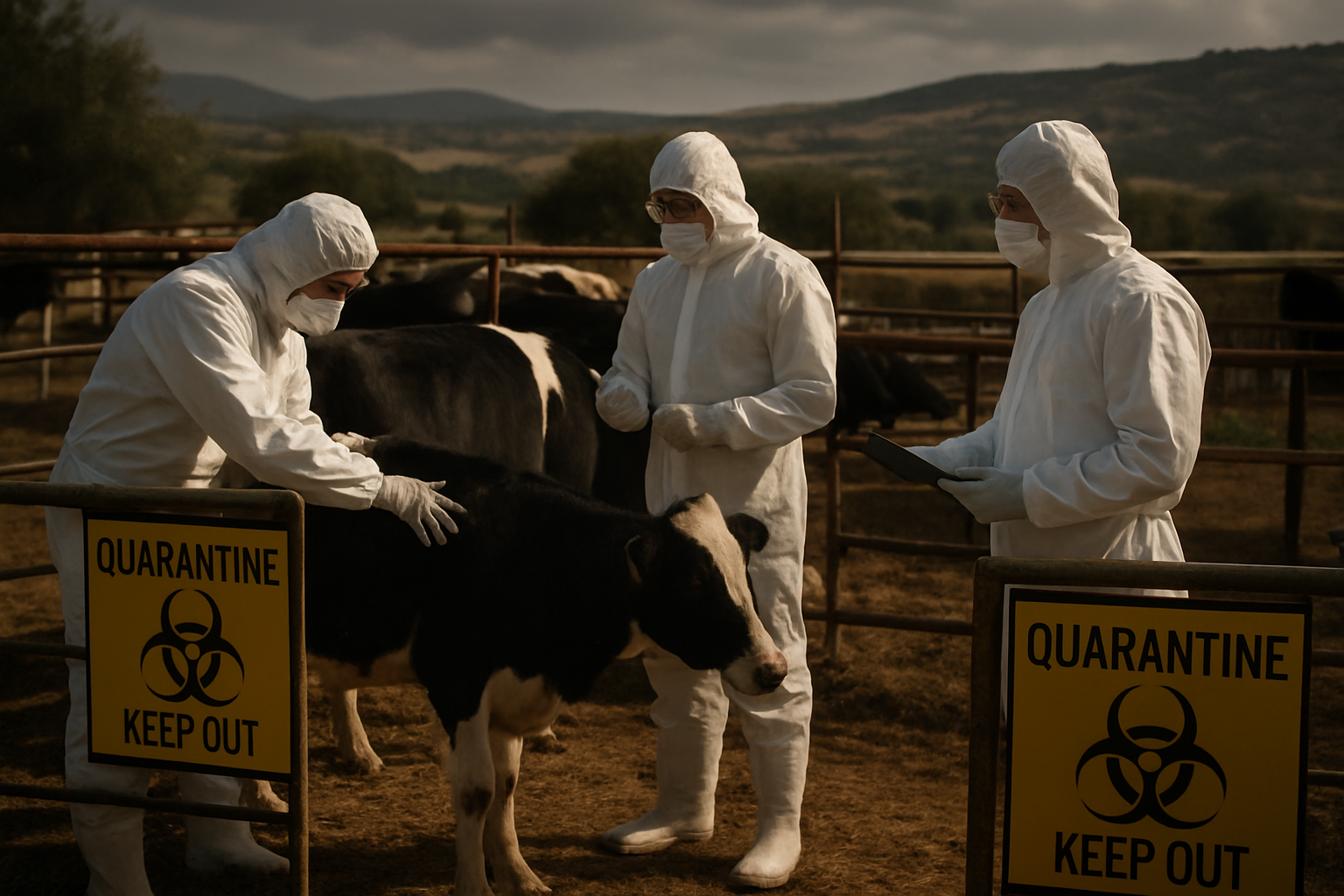
Cyprus is grappling with a mounting foot-and-mouth disease crisis that has spread to 46 infected livestock units, forcing mass animal culling while British sovereign bases implement comprehensive emergency measures to protect military personnel and surrounding communities.
The outbreak, which began in Oroklini in February 2026, has dramatically expanded beyond initial containment zones, now affecting livestock operations across multiple districts. According to official reports, over 23,000 sheep and goats have been culled, along with 1,712 cattle, with operations continuing as authorities struggle to contain the viral spread.
The Sovereign Base Areas Administration has confirmed full alignment with Republic of Cyprus containment measures, implementing enhanced patrols, additional checkpoints, and new disinfection protocols. British officials report no positive cases within the bases themselves, but are maintaining heightened vigilance as the disease continues to spread across the Larnaca district.
Vaccination Campaign Underway
Cyprus has launched an unprecedented vaccination effort targeting livestock within protection zones, with vaccination programs beginning near Akrotiri. The Sovereign Base Areas Administration is working in close coordination with Cyprus Veterinary Services through daily meetings at Larnaca's Joint Rescue and Coordination Centre.
"Our teams are working closely with the Veterinary Services and other authorities and we remain actively engaged through the daily coordination meetings to ensure a coordinated response,"
— Maria Kyriakidou, Dhekelia Area Administration Officer
The vaccination campaign represents Cyprus's most comprehensive livestock disease response in decades, drawing on European Union emergency protocols and international veterinary expertise. The Cyprus government has established a coordinating body including representatives from agriculture, interior, national guard, police, fire brigade, and forestry departments.
Regional Disease Challenges
The Cyprus outbreak is part of a broader pattern of livestock disease challenges across the Eastern Mediterranean. Greece has confirmed three new foot-and-mouth cases in Lesbos, marking the first outbreak in Greece in over 20 years since the devastating 2000-2001 episode.
The Greek cases in Pelopi village, Mantamados Municipal Unit, underscore the regional nature of the threat. Turkish-controlled northern Cyprus areas have been identified as a potential source, with authorities investigating suspected illegal animal feed smuggling across the buffer zone.
Enhanced Biosecurity Measures
British authorities have implemented comprehensive biosecurity protocols across both Akrotiri and Dhekelia sovereign base areas. These measures include:
- Enhanced vehicle inspection and disinfection points
- Restricted access to sensitive areas
- Daily coordination meetings with Cyprus authorities
- Monitoring of livestock within base boundaries
- Emergency response protocols for potential cases
The response demonstrates unprecedented cooperation between British and Cypriot authorities in addressing a crisis that threatens both agricultural and military interests on the island.
Economic and Agricultural Impact
The outbreak poses significant threats to Cyprus's agricultural sector, particularly the crucial halloumi cheese industry, which depends on 80% of the island's milk production. The disease-free status that Cyprus has maintained for decades is now at risk, potentially affecting agricultural exports and the island's reputation as a reliable trading partner.
Tourism concerns are mounting as the island approaches its peak season. The government has prepared compensation proposals for affected farmers while implementing strict movement controls and quarantine measures that disrupt normal agricultural operations.
Local communities have responded with voluntary additional safety measures beyond mandatory requirements. The municipality of Larnaca has established a psychological support hotline recognizing the severe toll on farming families facing livestock losses and economic uncertainty.
Investigation and Prevention
Larnaca police have launched a specialized investigation into the outbreak's origins, focusing on suspected illegal animal feed smuggling from northern Cyprus. The geographic distribution of infected farms suggests contaminated feed transmission rather than natural disease spread patterns.
Authorities are examining the illegal hay trade from occupied areas, with evidence pointing to virus transmission through livestock feed networks rather than direct animal contact. This investigation has revealed vulnerabilities in Cyprus's biosecurity systems that may have allowed contaminated materials to enter the government-controlled areas.
Climate and Disease Patterns
The outbreak occurs during unprecedented global climate conditions, with January 2026 marking the 18th consecutive month of temperatures exceeding 1.5°C above pre-industrial levels. These sustained warming conditions create optimal environments for pathogen survival and transmission, disrupting traditional seasonal disease patterns.
Veterinary experts note that climate change is fundamentally altering agricultural disease management, requiring adaptation of containment strategies designed for historical rather than contemporary environmental conditions. The sustained warming has extended pathogen survival periods and created new transmission pathways.
International Cooperation
The European Commission has activated emergency protocols to support Cyprus, building on previous assistance including 500,000 vaccine doses provided to areas outside effective government control. This cross-border health cooperation demonstrates the importance of coordinated regional responses to livestock disease threats.
The crisis has prompted enhanced surveillance and biosecurity measures across the Eastern Mediterranean, with neighboring countries implementing precautionary monitoring to prevent cross-border transmission.
Looking Forward
The success of containment efforts depends on sustained political commitment, adequate resources, and continued international cooperation during what officials describe as a critical window for effective action. The rapid spread from Oroklini to multiple districts demonstrates the virus's transmission potential, requiring swift and comprehensive response measures.
Cyprus faces a decisive moment in determining whether the outbreak can be contained before spreading beyond current zones. The coordinated response between civilian and military authorities, combined with European Union support, represents the island's best hope for maintaining its disease-free status and protecting its agricultural economy.
As vaccination campaigns continue and biosecurity measures remain in place, Cyprus's experience is becoming a template for other small European nations managing regional spillover effects from livestock disease outbreaks in an era of increasing climate stress and cross-border agricultural challenges.