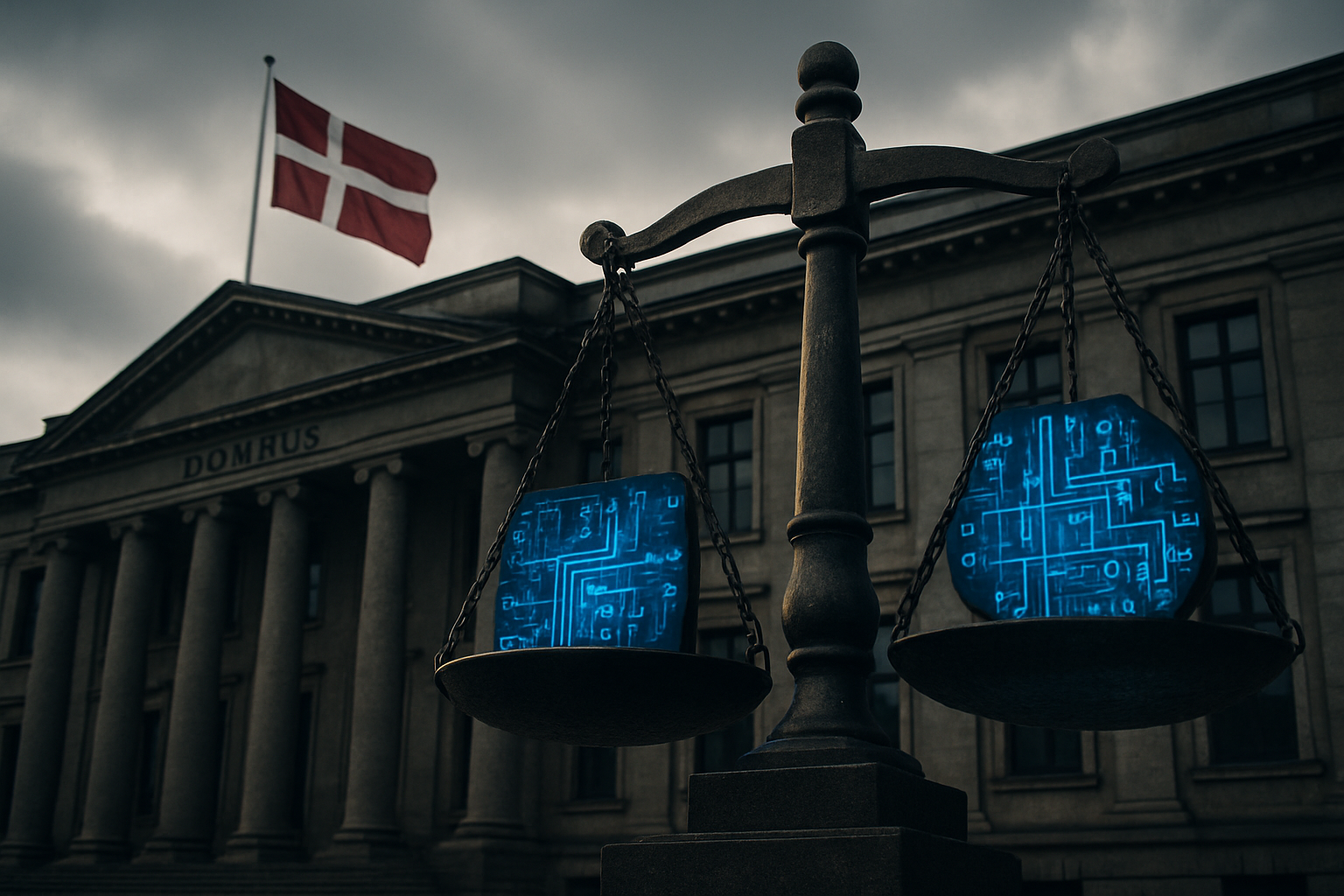
A Danish media organization has announced plans to sue OpenAI over alleged copyright infringement and unauthorized use of Danish media content to train artificial intelligence systems, adding Denmark to the growing list of European nations challenging AI companies over intellectual property violations.
The lawsuit announcement, reported by Ekstrabladet on February 27, 2026, represents the latest escalation in a global battle between media organizations and AI companies over training data rights and copyright protection. The Danish interest organization stated its intention to take the American AI giant to court for using Danish media content without authorization.
European Copyright Enforcement Wave
The Danish legal action comes amid unprecedented European regulatory intensification targeting AI companies over copyright and data protection violations. This coordinated response includes multiple enforcement mechanisms across jurisdictions, representing the most sophisticated global technology governance effort since internet commercialization.
France has conducted cybercrime raids on AI platforms, while Spain implemented the world's first criminal executive liability framework for technology executives, creating imprisonment risks beyond traditional corporate penalties. The European Commission found TikTok violated the Digital Services Act through addictive design features, facing billions in potential penalties.
These developments reflect a fundamental shift from industry self-regulation to government enforcement with criminal consequences for executives, demonstrating European determination to establish comprehensive AI governance frameworks.
Global Context of AI Copyright Disputes
The Danish lawsuit adds to a growing international pattern of legal challenges against major AI companies. Recent months have witnessed similar actions across multiple jurisdictions, indicating systemic concerns about AI training data collection practices.
Netflix announced legal action against TikTok over unauthorized AI-generated videos using copyrighted content from major productions including "Stranger Things" and "Guerreras K-Pop." This represents a new frontier in AI intellectual property disputes as sophisticated video generation technology increasingly threatens traditional content creators.
"We are seeing a fundamental challenge to how AI companies have been operating with regard to copyrighted material."
— Media Industry Expert
French AI startup Mistral AI faced widespread copyright infringement allegations revealed by Mediapart investigation, with accusations of using protected cultural works including Harry Potter, Le Petit Prince, and music from Elton John and Amel Bent to train AI models without authorization. The company was accused of systematic data harvesting from online media sources despite explicit prohibitions.
Technical and Legal Challenges
The Danish case highlights fundamental questions about sustainable AI development practices and the balance between innovation and creator rights. AI companies face increasing pressure to adopt transparent, ethical data collection through licensing agreements, fair use provisions, and alternative compensation models.
Current AI training practices often involve massive data collection from publicly available sources, raising questions about whether this constitutes fair use or copyright infringement. Legal experts suggest these cases may establish precedents for intellectual property law application to AI development, potentially reshaping how training data is collected and used.
The timing is particularly significant as the AI industry faces a critical infrastructure crisis. Global memory semiconductor shortages have driven sixfold price increases affecting Samsung, SK Hynix, and Micron operations, with shortages expected to persist until 2027 when new fabrication facilities come online.
Industry Response and Implications
The lawsuit occurs during what analysts have termed the "SaaSpocalypse" – a market disruption that has eliminated hundreds of billions in technology market cap as investors reassess AI investment sustainability amid legal and infrastructure challenges.
OpenAI and other major AI companies have faced increasing scrutiny over their training data practices. The company has been working to establish more formal partnerships with content creators and media organizations, but legal challenges continue to mount globally.
Chinese AI developments have also contributed to competitive pressures, with DeepSeek breakthroughs challenging US technological dominance assumptions and creating a more multipolar AI landscape that complicates regulatory coordination efforts.
Regulatory Framework Evolution
The Danish action occurs within a broader context of international AI governance development. The UN has established an Independent International Scientific Panel with 40 experts under António Guterres, creating the first fully independent global AI impact assessment body.
This coordinated international response reflects growing recognition that AI development requires unprecedented cooperation between governments, technology companies, content creators, and civil society organizations to balance innovation with creator rights and democratic governance principles.
Future Implications
The Danish media lawsuit represents more than a single legal dispute – it embodies fundamental questions about the future relationship between AI development and intellectual property rights. The case could influence global standards for AI training data collection and determine whether rapid AI advancement is sustainable within existing legal frameworks.
Success in these legal challenges could force AI companies to adopt more transparent licensing models and direct compensation systems for content creators. This might slow AI development in some areas but could create more sustainable business models that respect intellectual property rights while fostering innovation.
The outcome will be closely watched by media organizations, AI companies, and regulators worldwide as February 2026 represents a critical inflection point for AI governance. The decisions made in these legal battles will likely influence the trajectory of AI development for decades to come, determining whether technology serves human flourishing while preserving creativity and cultural heritage.
As the case develops, it will test democratic institutions' ability to regulate multinational technology platforms while maintaining innovation incentives, establishing precedents that could reshape the global technology landscape and define the relationship between artificial intelligence and human creativity in the digital age.