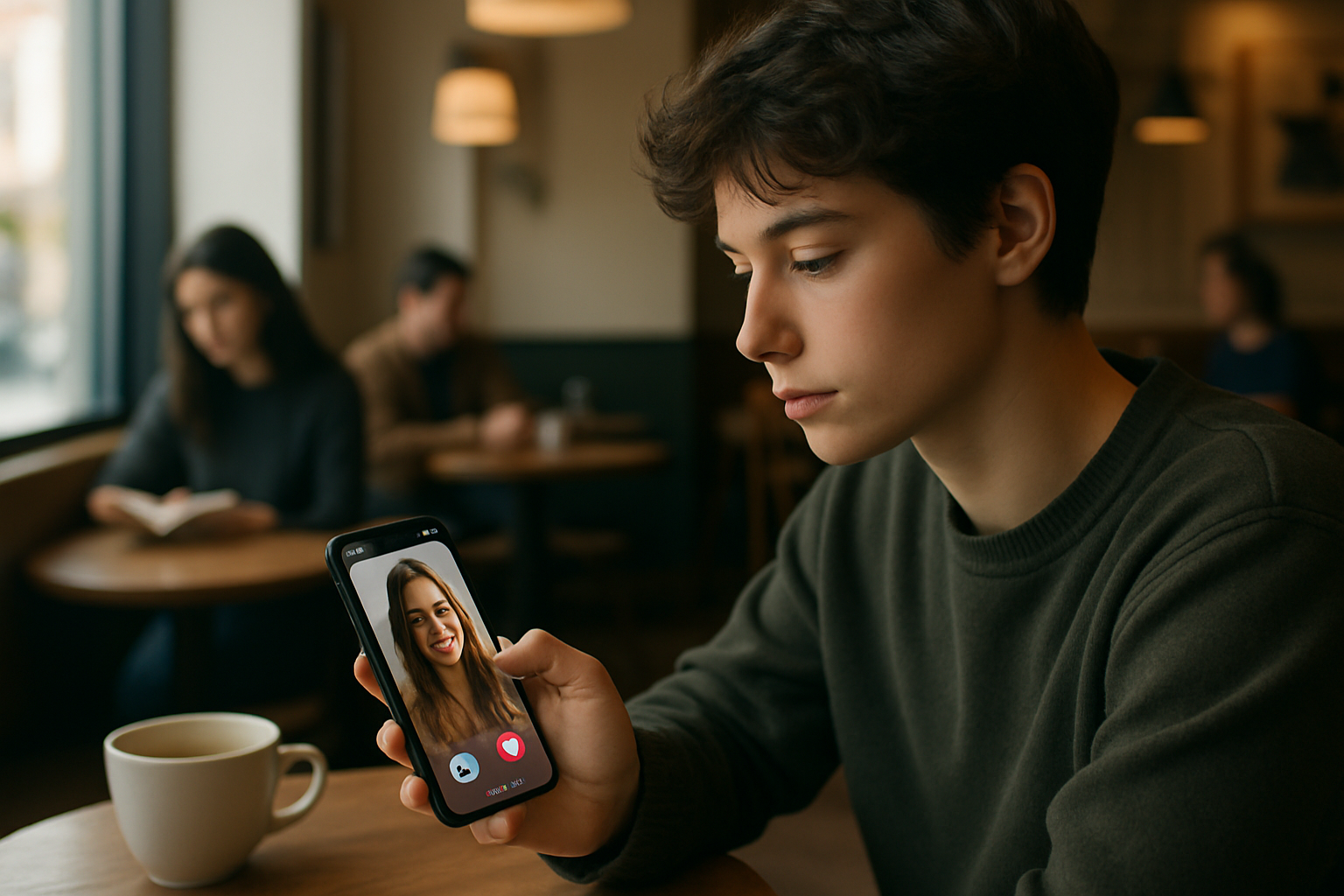
A profound transformation is reshaping modern romance as young adults navigate digital dating platforms while simultaneously choosing quiet social activities over traditional nightlife, reflecting broader wellness priorities emerging during the global "Therapeutic Revolution of 2026."
Recent investigations across Europe reveal a complex evolution in dating culture where online platforms like Tinder have become primary venues for seeking connection, while younger generations increasingly prioritize peaceful evening activities over the conventional bar and club scene that defined previous generations' social lives.
The Digital-First Dating Landscape
In Latvia, personal experiences shared through TVNET illustrate the contemporary reality of seeking romance through digital platforms. The story of women in their 30s and 40s navigating serious relationships through Tinder reveals both the opportunities and challenges of modern online dating.
"It's no longer surprising that people of all ages seek their other half on the internet," reflects one account from the popular dating app, where thousands of users search for love, intimacy, or simply conversation and adventure. However, the journey often resembles a "real soap opera" for women seeking serious relationships with similarly-aged men.
The digital dating revolution has fundamentally altered relationship formation patterns. Unlike previous generations who met partners through workplace connections, social circles, or chance encounters, contemporary young adults increasingly rely on algorithmic matching to discover potential romantic interests.
The Shift Toward Quieter Social Activities
Simultaneously, Bosnia and Herzegovina media reports document a significant cultural shift among young people, who increasingly choose home gatherings, movies, and relaxed evenings over the clubbing and nightlife that were once considered essential parts of youth culture.
This transformation encompasses multiple factors, including changing habits, increased focus on health and financial considerations, and evolving social norms among younger demographics. The trend reflects a broader prioritization of wellness over drinking-centered social activities.
"While clubs and nights out used to be an inevitable part of youth, the new generation increasingly chooses home gatherings, movies, and relaxed evenings."
— Haber.ba Cultural Analysis
Industry adaptation demonstrates the scale of this cultural shift. Major brewing companies face workforce reductions and strategic pivots toward non-alcoholic alternatives, while provincial liquor control boards confront revenue pressures requiring diversification strategies for economic viability.
Intersection with Mental Health Awareness
This evolution in dating and social preferences occurs within the context of the global "Therapeutic Revolution of 2026" — a worldwide paradigm shift from crisis-response to prevention-first mental healthcare approaches.
Czech sexologist Dr. Zlatko Pastor reports that young adults are drinking less alcohol and approaching intimate relationships more cautiously, with significant portions of intimate life moving to online spaces. International surveys confirm that Generation Z sometimes prioritizes sleep and personal development over dating and traditional social activities.
The statistics underlying this transformation are concerning. Research by Dr. Ran Barzilay at the University of Pennsylvania reveals that 96% of children aged 10-15 use social media, with 70% experiencing harmful content exposure and 50% encountering cyberbullying. Early smartphone exposure before age 5 causes persistent sleep disorders, cognitive decline, and weight problems extending into adulthood.
Workplace Boundaries and Self-Preservation
The generational shift extends beyond romantic relationships into professional settings. Young adults increasingly refuse to answer emails outside work hours and maintain punctual office departures — behaviors representing sophisticated psychological self-preservation responses rather than workplace defiance.
This boundary-setting reflects an evolved understanding of psychological wellness, with Generation Z rejecting traditional social patterns in favor of authentic wellness approaches. The movement demonstrates adaptation to digital-age realities while establishing new cultural norms that may influence society for decades ahead.
Economic and Public Health Implications
The transformation carries significant economic implications. Government revenue faces pressures from reduced alcohol taxation, while hospitality sectors confront challenges from decreased nightlife participation. Conversely, growth emerges in wellness, personal development, and authentic experience industries as spending redirects.
From a public health perspective, declining alcohol consumption is expected to reduce liver disease, cancer, cardiovascular problems, and alcohol-related accidents. Wellness prioritization contributes to improved mental health outcomes and reduced healthcare system pressures.
The Wellness Paradox and Authentic Connections
Mental health professionals identify what they term the "wellness paradox" — where constant self-improvement pursuit creates psychological exhaustion versus genuine healing. This recognition has led to movement toward authentic community connections over performance metrics, and sustainable wellness approaches that accommodate human imperfection.
The shift from toxic positivity toward accepting difficult emotions and normalizing struggle as essential psychological health components represents a mature understanding of mental wellness. Healthcare providers report patient relief when therapy acknowledges the complexity of digital relationships versus offering simplistic solutions.
International Patterns and Global Context
These patterns extend globally, from Finland's university reports of "societal emergency" regarding social anxiety to New Zealand's documentation of 50% youth anxiety and depression rates. The Generation Z lifestyle revolution reflects worldwide responses to contemporary digital-age challenges.
Countries implementing prevention-first mental health programs, such as Montana's mobile crisis teams achieving 80% police mental health call reduction, demonstrate superior cost-effectiveness compared to traditional treatment-focused approaches.
Technology's Role in Relationship Formation
Despite concerns about digital platforms, evidence suggests that technology can enhance rather than replace human therapeutic relationships when implemented thoughtfully. Germany's Digital Therapeutics Program allows doctors to prescribe 50+ mental health apps through insurance while maintaining essential human therapeutic relationships.
The key lies in ensuring that technological solutions enhance rather than replace authentic human connections, avoiding the creation of "wellness inequality" where digital solutions benefit some while excluding others based on economic or geographic constraints.
Looking Forward: A New Social Contract
The convergence of digital-first dating and quieter social preferences suggests the emergence of a new social contract prioritizing long-term psychological health over short-term social conformity. This transformation appears permanent rather than temporary, reflecting generational adaptation to digital-age realities.
Success in navigating this evolution requires authentic community connections over performance metrics, scientific evidence over viral trends, and cultural sensitivity over one-size-fits-all solutions. Prevention-focused healthcare infrastructure must treat mental and physical wellness as interconnected community needs.
The Path Ahead
As we advance through 2026, the intersection of digital dating culture and changing social preferences represents more than a temporary trend. It signals a fundamental reorganization of how young adults approach relationships, social interaction, and personal wellness.
The evidence suggests that this quiet revolution in dating and social life, supported by the broader Therapeutic Revolution of 2026, may offer a more sustainable approach to human connection in an increasingly digital world. The challenge lies in maintaining authentic relationships while embracing beneficial technological innovations, ensuring that the evolution serves human flourishing rather than digital engagement metrics.
This transformation ultimately reflects young people's sophisticated understanding of psychological wellness and their determination to create social patterns that support rather than undermine their mental health — a profound shift that institutions from workplaces to educational systems must understand and support rather than resist.