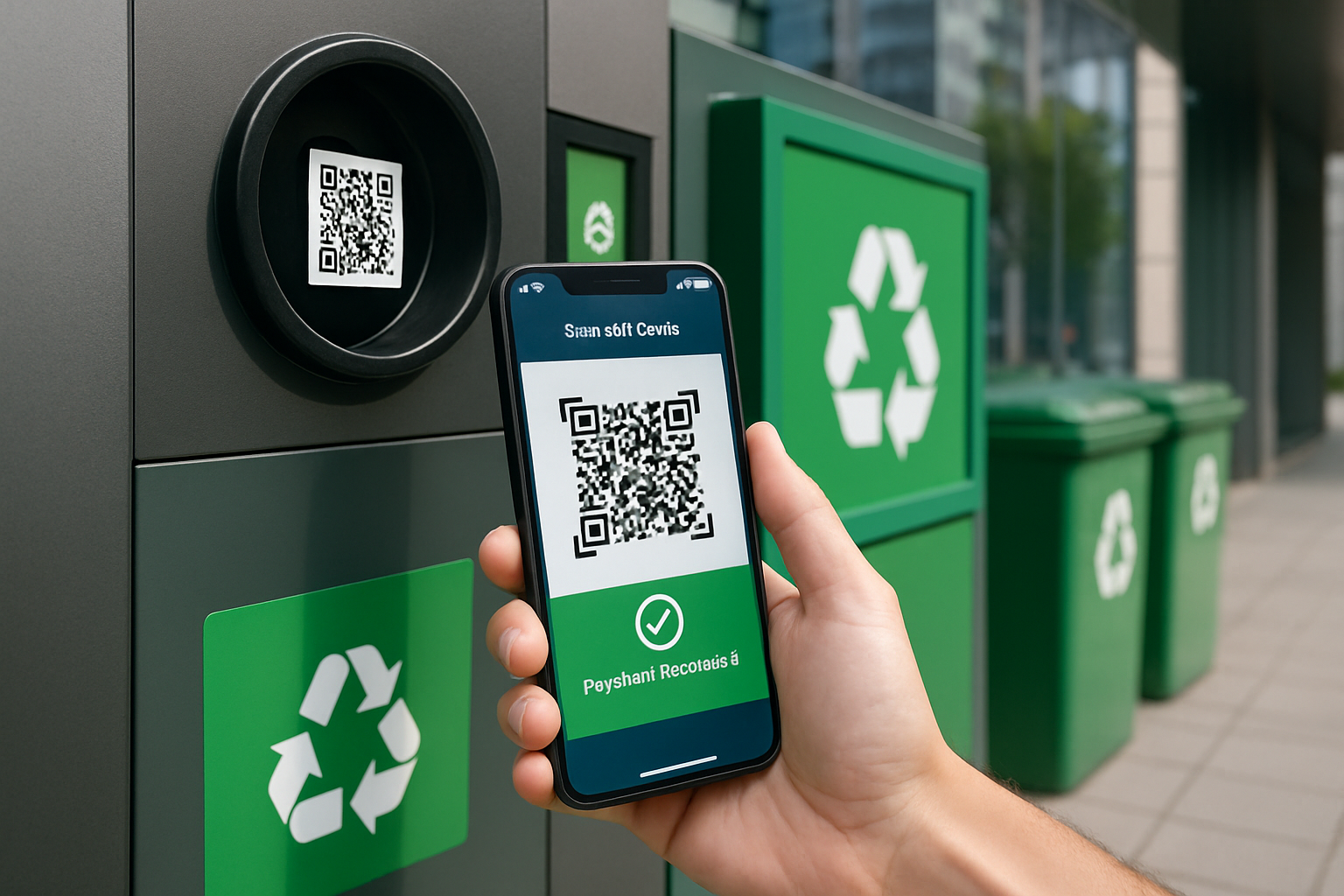
Singapore's leading digital banking platform DBS PayLah! has unveiled a groundbreaking integration with the nation's new beverage container return scheme, allowing users to receive instant 10-cent refunds directly to their mobile wallets through QR code technology starting April 2026.
The innovative feature transforms how Singaporeans interact with environmental sustainability initiatives, seamlessly merging the country's advanced financial technology ecosystem with its ambitious environmental goals. Users simply generate their personal QR code within the PayLah! app and scan it at reverse vending machines strategically placed across the island nation.
Revolutionary Integration of Fintech and Sustainability
This development represents a significant milestone in Singapore's journey toward becoming a "Smart Nation," demonstrating how cutting-edge financial technology can drive environmental behavior change. The integration eliminates traditional barriers to recycling participation by providing immediate, convenient monetary incentives through Singapore's most popular digital wallet platform.
The scheme builds upon Singapore's sophisticated digital payment infrastructure, which has become a global template for practical fintech implementation. Unlike volatile cryptocurrency systems that have lost $2 trillion globally since 2025, Singapore's approach emphasizes stable, government-backed digital financial services that deliver real-world utility to citizens.
Technical Innovation Meets Environmental Policy
The PayLah! integration utilizes advanced QR code technology to create unique user identifiers, enabling instant transaction processing without traditional banking delays. This technological sophistication reflects Singapore's position as a regional fintech hub, where practical applications of digital innovation address genuine societal challenges rather than speculative trading.
"Technology should serve communities by making sustainable choices easier and more rewarding for everyday citizens."
— Industry Analysis, Singapore Financial Technology Association
The system operates within established regulatory frameworks, providing consumer protections and data security that contrast sharply with unregulated digital asset platforms. This approach demonstrates Singapore's sophisticated understanding of how financial technology can support national policy objectives while maintaining user trust and system stability.
Regional Fintech Leadership Context
Singapore's initiative occurs within a broader Asian fintech renaissance, where government-backed digital solutions are proving superior to volatile cryptocurrency markets. Malaysia's banking sector achieved 97.82% teacher placement success through digital infrastructure, while Hong Kong's traditional banks are engaging with regulated stablecoin regimes rather than speculative crypto assets.
The PayLah! container refund feature exemplifies the "2026 Educational Technology Renaissance" philosophy – using proven technology to serve practical social needs rather than pursuing technological innovation for its own sake. This approach has generated measurable economic benefits across Asia-Pacific, contrasting with the systematic collapse of speculative digital assets.
Implementation Strategy and User Experience
The rollout strategy emphasizes user education and accessibility, ensuring that Singaporeans of all technological comfort levels can participate in the environmental initiative. The PayLah! app's intuitive interface eliminates complex blockchain wallet requirements that have proven barriers to mainstream adoption elsewhere.
Strategic placement of reverse vending machines in high-traffic areas including MRT stations, shopping centers, and residential zones ensures maximum accessibility. The immediate credit to users' PayLah! wallets creates a positive feedback loop encouraging continued participation in Singapore's environmental programs.
Economic and Environmental Impact
The integration is expected to significantly increase participation rates in Singapore's container return scheme by removing friction from the recycling process. Economic analysis suggests that immediate digital rewards create stronger behavioral incentives than traditional deposit systems that require physical return to specific locations.
This success builds on proven Asian digital payment models, including Nigeria's achievement of 43% fuel sales through digital platforms and Zimbabwe's innovative Ndarama platform bridging tokenized assets to fiat currency. Singapore's approach demonstrates how stable, regulated digital infrastructure can drive environmental policy compliance more effectively than complex cryptocurrency systems.
Global Implications for Sustainable Fintech
Singapore's PayLah! container refund system provides a template for other nations seeking to integrate financial technology with environmental policy. The approach emphasizes practical utility over technological complexity, regulatory clarity over speculative innovation, and community benefit over individual profit.
International observers note Singapore's balanced approach to digital innovation – embracing beneficial technologies while avoiding the volatility that has characterized cryptocurrency markets. This methodology aligns with global trends toward government-backed digital currency systems, including Slovakia's €1.3 billion digital euro pilot and Kazakhstan's digital tenge integration.
Future Expansion and Development
The success of the PayLah! container refund feature could lead to expanded integration of environmental initiatives within Singapore's digital financial ecosystem. Potential applications include carbon credit trading, energy-efficient purchase incentives, and broader sustainability reward programs.
Singapore's approach demonstrates how thoughtful technology integration can enhance rather than replace traditional environmental policies. By leveraging existing digital infrastructure and user familiarity, the initiative maximizes adoption potential while maintaining the security and reliability that users expect from established financial institutions.
The launch represents a significant step toward Singapore's vision of technology serving environmental sustainability, providing a practical model for other nations seeking to balance innovation with environmental responsibility. As the system launches in April 2026, it will serve as a critical test case for the global integration of fintech solutions with environmental policy objectives.