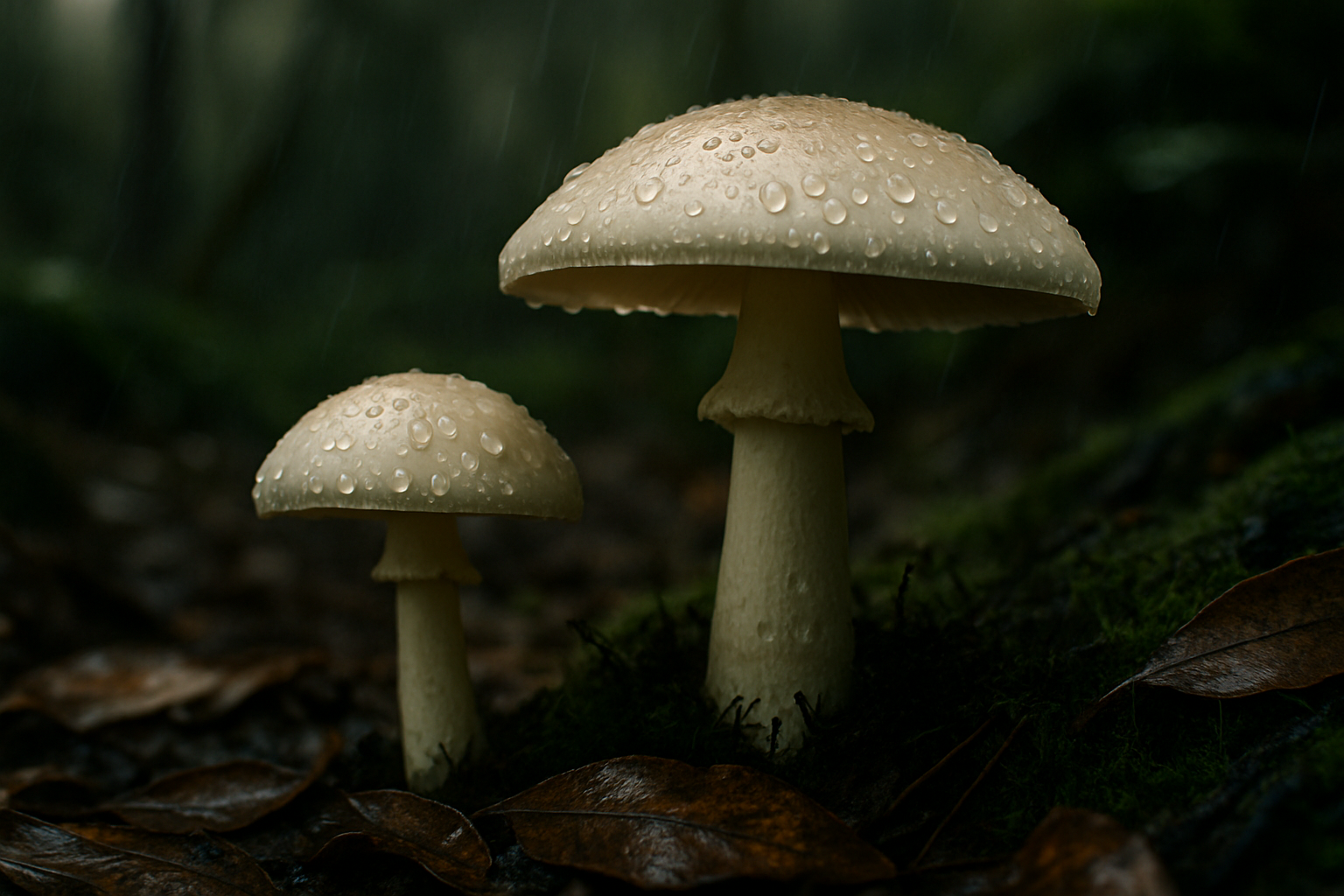
Australian health authorities have issued an urgent nationwide warning as deadly deathcap mushrooms flourish across the country following widespread wet weather, creating potentially fatal risks for amateur foragers during the peak growing season.
The warning comes as wild weather patterns have led to ideal growing conditions for the Amanita phalloides, commonly known as the deathcap mushroom, which contains enough toxins in a single specimen to kill a healthy adult. Experts emphasize that these deadly fungi are virtually indistinguishable from edible wild mushrooms, making backyard foraging an extremely dangerous activity.
Perfect Storm of Dangerous Conditions
The combination of Australia's changing seasonal patterns and recent heavy rainfall has created optimal conditions for deathcap mushroom proliferation. According to 9News reports, the changing season and wetter weather across Australia means more wild mushrooms are growing, but experts warn that "one wrong move when backyard foraging could turn into a deadly mistake."
The deathcap mushroom can grow rapidly after periods of heavy rain, and their appearance makes them almost impossible to distinguish from wild mushrooms that are safe to consume. This deadly resemblance has made them responsible for the majority of mushroom poisoning deaths worldwide.
"The poison in one Deathcap Mushroom, if eaten, is enough to kill a healthy adult."
— Health authorities warning
Understanding the Lethal Threat
Deathcap mushrooms contain multiple toxins, including amatoxins, which are among the most potent natural poisons known to science. These toxins remain deadly even after cooking, drying, or freezing, making traditional food preparation methods ineffective at reducing their toxicity.
The symptoms of deathcap mushroom poisoning are particularly insidious. Initial symptoms may not appear for 6-24 hours after consumption, often beginning with what appears to be simple gastroenteritis - nausea, vomiting, and diarrhea. This delay can prove fatal, as victims may not seek immediate medical attention, and by the time serious symptoms develop, irreversible organ damage has often already occurred.
The toxins primarily target the liver and kidneys, causing rapid cellular destruction that can lead to organ failure and death within days. Even survivors may require liver transplantation and face lifelong health complications.
Why Amateur Identification Is So Dangerous
The deadly nature of deathcap mushrooms is compounded by their deceptive appearance. To the untrained eye, they can easily be mistaken for edible varieties, particularly when young. They typically feature:
- White to pale yellow caps that can appear similar to edible mushrooms
- White stems and gills that resemble safe varieties
- A pleasant, almost sweet smell that doesn't indicate danger
- Growth patterns in areas where people might expect to find edible mushrooms
This visual similarity has led to tragic cases of accidental poisoning, particularly among immigrant communities who may be familiar with similar-looking edible species from their home countries but are unfamiliar with Australia's unique fungal dangers.
Climate Patterns Increasing Risk
Australia's recent weather patterns have created particularly concerning conditions for mushroom growth. The country has experienced significant rainfall following extended dry periods, creating the alternating wet-dry cycles that many mushroom species, including deathcaps, thrive in.
Environmental factors contributing to increased mushroom growth include:
- Heavy rainfall after dry periods
- Moderate temperatures following rain events
- Increased organic matter in soil from seasonal changes
- Extended periods of humidity
These conditions are expected to persist across various regions of Australia, making the current warning particularly urgent and potentially long-lasting.
Expert Recommendations and Safety Measures
Health experts and mycologists are unanimous in their recommendation: avoid foraging for wild mushrooms entirely unless you are an expert mycologist with extensive training in mushroom identification.
Dr. Sarah Mitchell, a toxicologist specializing in natural poisons, explains: "Even experienced foragers can make fatal mistakes. The risk-to-benefit ratio of wild mushroom foraging is simply too dangerous for amateur enthusiasts. No meal is worth risking your life."
For those who insist on mushroom foraging, experts recommend:
- Never consume any wild mushroom unless identified by a qualified mycologist
- Avoid teaching children to pick mushrooms as a family activity
- Be particularly cautious in areas with oak trees, where deathcaps often grow
- When in doubt, photograph the specimen for expert identification rather than consuming it
- Seek immediate medical attention if poisoning is suspected, even if symptoms seem mild
Medical Response and Treatment Challenges
The medical community faces significant challenges in treating deathcap mushroom poisoning. The delayed onset of symptoms often means patients present to hospitals when significant organ damage has already occurred. Treatment options are limited and primarily supportive, focusing on:
- Aggressive fluid replacement and electrolyte management
- Activated charcoal administration if treatment begins soon after ingestion
- Liver support medications and monitoring
- Preparation for potential organ transplantation
The lack of specific antidotes makes prevention absolutely critical. Emergency departments across Australia have been alerted to watch for potential cases and to begin treatment protocols immediately when mushroom poisoning is suspected.
Historical Context and International Perspective
Deathcap mushrooms are not native to Australia but were accidentally introduced, likely through imported oak trees. They have established themselves in several Australian states and continue to spread, particularly in areas with European tree species.
Internationally, deathcap mushrooms are responsible for approximately 95% of mushroom-related deaths worldwide. European countries with native populations of these mushrooms have extensive public education campaigns and strict foraging guidelines, lessons that Australia is now applying to its own growing deathcap population.
The mushrooms typically fruit from autumn through early winter, coinciding with the current warning period. This timing often catches foragers off-guard, as many assume mushroom season has ended.
Public Health Response
Australian health authorities are coordinating a comprehensive public awareness campaign that includes:
- Media warnings through television, radio, and digital platforms
- Distribution of identification materials to outdoor recreation groups
- Coordination with immigrant community organizations
- Training for emergency medical personnel
- Collaboration with mycological societies for expert identification services
The campaign emphasizes that no amount of cooking, preparation, or processing can make deathcap mushrooms safe to eat, and that the only safe approach is complete avoidance.
Looking Forward: Prevention and Education
As Australia's climate continues to create favorable conditions for dangerous mushroom species, authorities are focusing on long-term prevention strategies. These include enhanced public education programs, better identification resources, and continued research into the spread and behavior of deathcap mushrooms in Australian environments.
The current warning serves as a critical reminder that nature's beauty can conceal deadly dangers, and that the safest approach to wild mushroom consumption is to avoid it entirely unless guided by genuine expertise.
Public health officials stress that with commercial mushrooms widely available and safe, there is no justification for risking lives through amateur foraging. The message is clear: when it comes to wild mushrooms, the only safe mushroom is the one you leave in the ground.