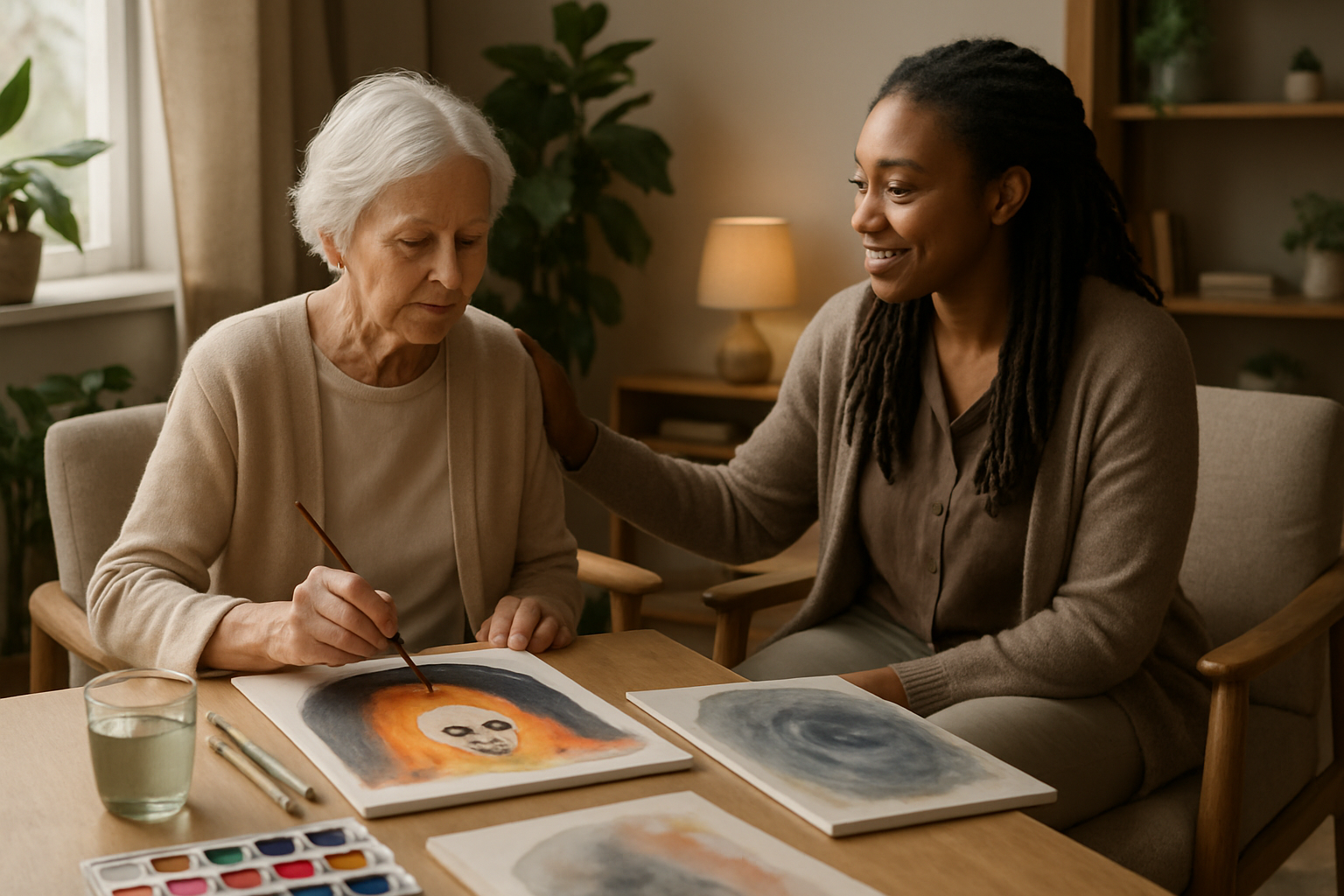
While death remains life's only certainty, discussing mortality continues to be considered macabre or depressing in many societies. A groundbreaking therapeutic movement is changing this narrative by combining the compassionate guidance of death doulas with the healing power of art therapy, creating safe spaces for people to explore their feelings about mortality through creative expression.
The innovative approach, pioneered by practitioners who recognize that avoiding conversations about death often increases anxiety and fear, uses artistic creation as a bridge between the conscious and unconscious mind's processing of mortality. Rather than treating death as a subject to be feared or avoided, this methodology encourages participants to engage with the concept through painting, sculpture, creative writing, and other expressive mediums.
Redefining Death Conversations Through Creative Expression
Traditional approaches to death preparation often rely heavily on clinical or religious frameworks, which can feel impersonal or overwhelming for many individuals. Death doula art therapy offers an alternative path that honors the deeply personal nature of mortality while providing structured support for processing complex emotions.
"Art has this unique ability to help people express what they cannot put into words," explains practitioners in this emerging field. "When someone picks up a paintbrush or begins sculpting clay while contemplating mortality, they often discover feelings and insights that purely verbal therapy might never uncover."
The process typically begins with gentle guided meditations or breathing exercises designed to create a relaxed, non-threatening atmosphere. Participants are then invited to engage with various art materials without specific objectives or expectations, allowing their subconscious minds to guide the creative process as they contemplate themes of life, death, legacy, and transition.
Beyond Fear: Cultivating Acceptance and Peace
One of the most significant benefits reported by participants is a reduction in death anxiety—the fear of dying or death that affects an estimated 3-10% of the general population but influences many more people's life decisions and mental health. Through repeated exposure to mortality themes in a supportive, creative environment, individuals often develop greater acceptance and even curiosity about the dying process.
The artistic component serves multiple therapeutic functions. Creating something tangible provides a sense of agency and accomplishment, while the symbolic nature of artistic expression allows for processing difficult emotions without direct confrontation. Many participants report that their artwork reveals unconscious fears, hopes, or beliefs about death that they hadn't previously recognized.
Color choices, shapes, symbols, and themes that emerge during these sessions often provide valuable insights for both participants and facilitators. A person might discover through their art that their fear of death is actually grief over unlived experiences, or that their anxiety stems from concerns about loved ones rather than personal mortality.
The Doula Difference: Compassionate Guidance
Death doulas bring specialized training in end-of-life support and comfort care to the artistic therapeutic process. Unlike traditional therapy, which often focuses on problem-solving or pathology, death doula art therapy emphasizes acceptance, presence, and honoring whatever emotions arise without judgment.
These practitioners are trained to recognize signs of overwhelming anxiety or trauma responses and can adapt sessions accordingly. They also bring deep understanding of different cultural, spiritual, and personal approaches to death, ensuring that the therapeutic space respects diverse beliefs and values around mortality.
The doula model emphasizes empowerment and self-determination, encouraging participants to explore their relationship with death at their own pace and in their own way. This approach contrasts sharply with medical models that may pathologize death anxiety or spiritual models that prescribe specific beliefs about afterlife or meaning.
Practical Applications and Growing Evidence
Death doula art therapy is being integrated into various settings, from hospices and palliative care facilities to private practice offices and community wellness centers. Some programs specifically serve individuals facing terminal diagnoses, while others work with healthy people seeking to develop healthier relationships with mortality as part of personal growth.
Early research suggests that participants experience reduced anxiety, improved emotional regulation, enhanced sense of meaning and purpose, and better preparation for their own eventual dying process. Many also report improved relationships with family members as they become more comfortable discussing death and end-of-life wishes.
The approach has shown particular promise for healthcare workers, caregivers, and others who regularly encounter death in their professional lives. By processing their own mortality fears and developing greater comfort with death, these individuals often report reduced burnout and improved ability to support others facing end-of-life challenges.
Cultural Shift Toward Death Acceptance
The emergence of death doula art therapy reflects broader cultural movements toward "death positivity"—approaches that seek to normalize conversations about mortality and reduce the stigma surrounding death. This shift recognizes that avoiding discussion of death often increases suffering, while open, honest engagement can lead to greater life satisfaction and reduced anxiety.
In cultures where death has been medicalized and removed from daily life, many people reach adulthood with little experience processing grief or contemplating mortality. Death doula art therapy provides structured opportunities to develop these essential life skills in supportive environments.
The creative component also appeals to people who might resist more traditional therapeutic approaches. Art-making can feel less threatening than talking directly about fears, while still providing powerful opportunities for insight and emotional processing.
Training and Professional Development
As demand for death doula art therapy grows, training programs are emerging to prepare practitioners in this specialized field. These programs typically combine death doula certification with art therapy training and additional coursework in grief counseling, cultural competency, and trauma-informed care.
Professional standards are still developing, but most reputable programs emphasize the importance of personal death preparation work for practitioners themselves. Facilitators are encouraged to explore their own mortality fears and beliefs through the same artistic processes they guide others through.
The interdisciplinary nature of the field attracts professionals from various backgrounds, including licensed therapists, certified death doulas, artists, spiritual care providers, and healthcare workers seeking additional tools for supporting patients and families.
Looking Forward: Expanding Access and Understanding
As death doula art therapy continues to evolve, practitioners and researchers are working to document outcomes more systematically and develop evidence-based protocols for different populations and settings. There is also growing interest in adapting the approach for online formats, potentially increasing access for people in remote areas or with mobility limitations.
The movement represents a significant departure from societies that treat death as a medical failure or spiritual crisis requiring intervention. Instead, it positions mortality as a natural part of life worthy of thoughtful preparation and peaceful acceptance.
For many participants, the journey through death doula art therapy becomes as much about living fully as it is about dying well. By reducing fear and developing acceptance around mortality, individuals often report feeling more present, grateful, and intentional in their daily lives.
As one practitioner noted, "When people stop being afraid of death, they often discover they've also stopped being afraid of life. The art becomes a bridge not just to accepting mortality, but to embracing the fullness of human experience while we're here."