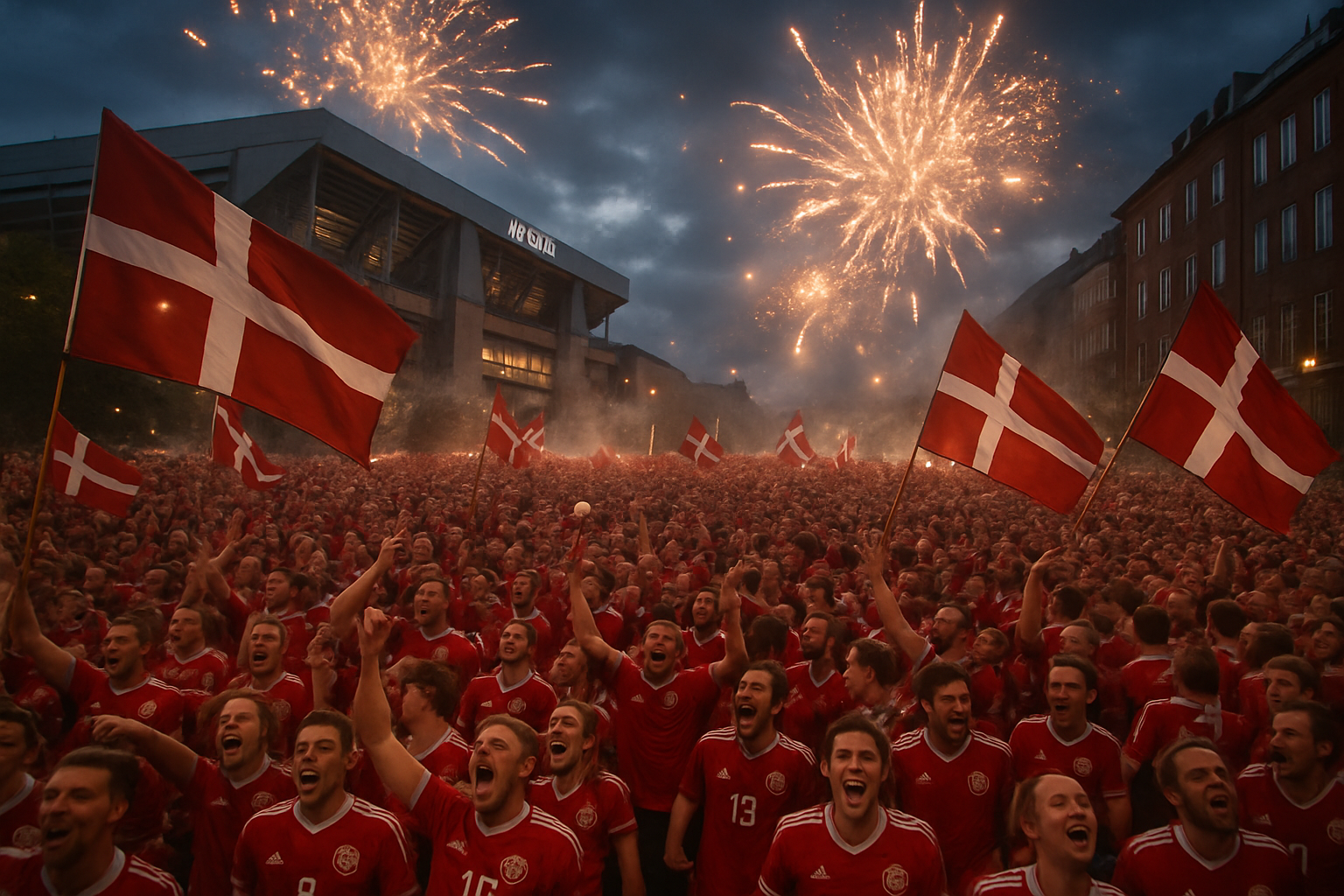
Denmark secured their place in the 2026 FIFA World Cup playoff final with a commanding 4-0 victory over North Macedonia at Parken Stadium, delivering a performance that coach Brian Riemer described as wearing down their opponents through relentless pressure and tactical superiority.
The triumph on March 26, 2026, represents a crucial step toward Denmark's qualification for the expanded 48-team World Cup, set to begin on June 11 across the United States, Canada, and Mexico. The emphatic victory showcased the tactical evolution under Riemer's guidance and the emergence of exciting attacking talents.
Tactical Masterclass in Copenhagen
"When we went to the break, we were in a good place, so it was about continuing," Riemer explained after the match. His tactical approach of maintaining intensity throughout the full 90 minutes proved decisive against a North Macedonia side that struggled to cope with Denmark's relentless pressing and fluid attacking movement.
Gustav Isaksen and Mikkel Damsgaard emerged as the standout performers, tearing apart the Macedonian defense with their pace, creativity, and clinical finishing. The duo's partnership demonstrated the depth of Danish football talent and the successful integration of emerging players into the national team structure.
Højbjerg's Leadership and Parken Atmosphere
Captain Pierre-Emile Højbjerg expressed his satisfaction with giving back to the passionate Copenhagen crowd. "It was a happy and relieved Pierre-Emile Højbjerg who spoke with TV 2, shortly after Denmark had secured a place in the playoff final," according to match reports. The Tottenham midfielder's leadership proved instrumental in maintaining team discipline and tactical execution.
"Glad to give back to Parken"
— Pierre-Emile Højbjerg, Denmark Captain
The Parken Stadium atmosphere provided crucial home advantage, with Danish supporters creating an intimidating environment for the visiting team while spurring their players to exceptional performance levels.
Høgh's Dream Debut
The match also marked a significant milestone for Bodø/Glimt striker Kasper Høgh, who made his international debut in spectacular fashion. The Norwegian-based forward's inclusion represented Brian Riemer's commitment to form-based selection over established hierarchies, a decision that paid dividends throughout the campaign.
Høgh's debut highlighted the global nature of modern football, with the Danish squad drawing talent from leagues across Europe. His pace, work rate, and clinical finishing added a new dimension to Denmark's attacking options, providing tactical flexibility that proved crucial against well-organized defensive units.
World Cup 2026 Context and Implications
The victory comes amid unprecedented challenges facing the 2026 World Cup, including Iran's controversial withdrawal due to geopolitical tensions - marking the first time a qualified nation has been excluded from the tournament due to military conflict. Denmark's progression provides stability and sporting merit amid the tournament's organizational complexities.
The expanded 48-team format creates additional qualification opportunities while intensifying competition among European nations. Denmark's tactical intelligence and squad depth position them well for the unique challenges of the tri-national hosting arrangement across North America.
Riemer's Tactical Evolution
Coach Brian Riemer's tactical approach demonstrated significant evolution from traditional Danish football philosophies. The team's ability to "wear down" opponents through sustained pressure reflects modern tactical trends while maintaining the fighting spirit and resilience that characterized Denmark's Euro 2021 semifinal run.
The squad selection balanced experience with youth integration, featuring established stars alongside emerging talents. This approach created tactical unpredictability while ensuring continuity in team culture and playing philosophy.
Historical Significance
Denmark's qualification campaign occurs against the backdrop of the nation's proud football heritage, including their legendary Euro 1992 triumph and recent major tournament successes. The current squad carries the weight of expectations while forging their own identity through tactical innovation and collective determination.
The 4-0 victory margin represented not just tactical superiority but psychological dominance, sending a clear message to potential opponents about Denmark's World Cup ambitions. The performance quality suggests the team can compete with football's elite nations on the global stage.
Looking Ahead to World Cup 2026
With their playoff final secured, Denmark now focuses on the final qualification hurdle before the June 2026 tournament. The team's tactical evolution under Riemer, combined with the emergence of new attacking talents, creates optimism about their prospects in the expanded World Cup format.
The integration of players like Høgh alongside established stars demonstrates Denmark's ability to adapt and evolve while maintaining competitive excellence. This balance between experience and youth could prove crucial during the intensive World Cup schedule across multiple North American venues.
As Denmark celebrates this emphatic victory, the focus shifts to finalizing preparations for what promises to be the most complex and challenging World Cup in history, with the Danish squad well-positioned to make a significant impact on football's biggest stage.