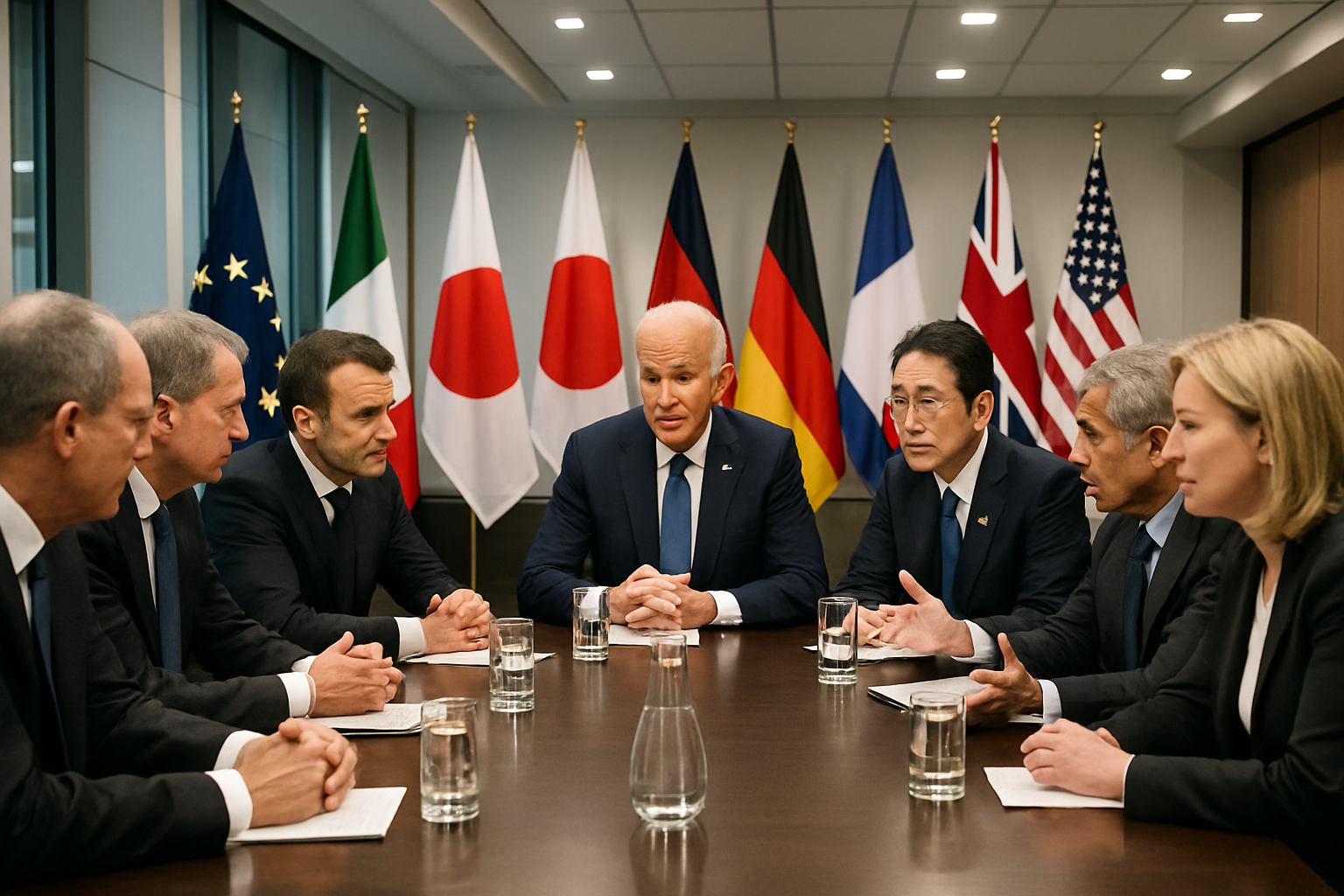
A series of significant diplomatic developments across multiple continents is reshaping the global political landscape in March 2026, as nations navigate complex territorial disputes, trade negotiations, and regional security challenges through both traditional and innovative diplomatic channels.
Pakistan-Afghanistan Crisis Escalates Despite Mediation Efforts
The most pressing diplomatic challenge centers on the deteriorating Pakistan-Afghanistan border crisis, where Pakistan's Defense Minister Khawaja Asif has declared "open war" against the Taliban government - marking the most serious military confrontation since the Taliban's 2021 return to power.
The crisis began with the February 16 Bajaur attack that killed 11 Pakistani soldiers, followed by Pakistani airstrikes on seven terrorist camps in Afghanistan's Nangarhar and Paktika provinces. Despite international mediation efforts by Russia, Turkey, and China, tensions have escalated dramatically.
Russian Special Envoy Zamir Kabulov and Turkish President Erdogan have offered diplomatic intervention, with Kabulov calling the clashes "concerning" and stressing that disputes should be resolved through dialogue. Turkish President Erdogan condemned recent terrorist attacks in a phone call with Pakistani Prime Minister Shehbaz Sharif, offering Turkey's support for ceasefire restoration.
The economic impact has been severe, with bilateral trade collapsing by 59% - Pakistan's exports to Afghanistan plummeting from $550 million to $228 million over seven months, affecting border communities dependent on cross-border commerce.
EU-Mercosur Trade Agreement Advances Despite Opposition
In a significant development for international trade, Brazil's Senate approved the comprehensive EU-Mercosur trade agreement, creating one of the world's largest free trade zones covering 780 million people and 25% of global GDP.
European Commission President Ursula von der Leyen announced provisional implementation of the agreement despite fierce French opposition led by President Emmanuel Macron, who called it a "bad surprise." The agreement eliminates tariffs on billions of euros worth of goods annually between the EU and South American Mercosur countries (Brazil, Argentina, Uruguay, Paraguay).
Slovakia's reporting on the agreement emphasized its significance in creating unprecedented market integration opportunities, while several EU member states including France, Ireland, Austria, and Poland maintain reservations requiring extended parliamentary approval processes.
Cambodia-Thailand Peace Diplomatic Initiative
In Southeast Asia, Cambodia's Deputy Prime Minister Hun Many has called for renewed diplomatic efforts to resolve tensions with Thailand, emphasizing that the two neighbors must find a way forward despite recurring border clashes.
Addressing National Culture Day on March 3, Hun Many acknowledged Cambodia's military holds no advantage over Thailand but stressed that armed confrontation is not the answer. He pointed to past disputes in 1954 and 2008 that were settled through diplomatic, political and legal channels.
Recalling his father former Prime Minister Hun Sen's words, Hun Many said: "Between 2008 and 2011, former Prime Minister Hun Sen said that our two countries are no different from the tongue and teeth. We cannot live without each other, but sometimes the teeth bite the tongue, making it scream."
Algeria-Niger Relations Reset
Niger and Algeria have moved to reset their diplomatic relations following months of strain linked to broader Sahel tensions and shifting regional alliances. The breakthrough came after a two-day diplomatic engagement between their presidents, addressing regional security concerns and economic cooperation opportunities.
This diplomatic reset reflects broader efforts across the Sahel region to stabilize relationships amid changing geopolitical dynamics and security challenges posed by militant groups operating across borders.
Regional Mediation Frameworks Emerge
The diplomatic developments demonstrate the emergence of innovative mediation frameworks, with regional powers taking increasingly active roles in conflict resolution. Russia and Turkey's joint mediation offer for the Pakistan-Afghanistan crisis represents a significant departure from traditional Western-led diplomatic initiatives.
Chinese engagement through Afghan Foreign Minister Amir Khan Muttaqi's meetings with Chinese Ambassador Zhao Xing in Kabul highlights Beijing's growing diplomatic influence in South Asian security matters. China has consistently warned about ISIS-K, al-Qaeda, and ETIM presence in Afghanistan, contradicting Taliban security claims.
Trade Diplomacy Takes Center Stage
The EU-Mercosur agreement represents a broader shift toward regional trade blocs as alternatives to multilateral frameworks. The agreement's provisional implementation demonstrates the EU's willingness to use institutional flexibility to advance strategic economic partnerships despite internal divisions.
This development occurs alongside other major trade initiatives, including China's announcement of zero-tariff access for 53 African countries starting May 1, 2026, and ongoing negotiations between various regional partners seeking to diversify economic relationships.
Challenges to Traditional Diplomacy
These diplomatic developments unfold against a backdrop of significant challenges to traditional international relations frameworks. The ongoing Iran nuclear crisis, despite achieving "broad agreement on guiding principles" in Geneva talks, demonstrates the limitations of conventional diplomatic approaches when fundamental disagreements persist.
The Pakistan-Afghanistan crisis particularly illustrates how territorial sovereignty concerns intersect with transnational terrorism challenges, creating complex scenarios that test 21st-century conflict resolution mechanisms.
Looking Ahead: Diplomatic Innovation Required
The various diplomatic initiatives across different regions suggest a period of experimentation with new approaches to international relations. From Cambodia's public appeal for peaceful coexistence with Thailand to Russia and Turkey's joint mediation efforts, traditional alliance structures are being supplemented by pragmatic, issue-specific partnerships.
The success or failure of these diplomatic initiatives will likely influence future approaches to regional conflicts, trade negotiations, and security cooperation. As the international system adapts to multipolar realities, the effectiveness of these diverse diplomatic strategies will be closely watched by policymakers worldwide.
The March 2026 diplomatic developments represent a critical test of whether innovative approaches to international relations can address contemporary challenges more effectively than traditional frameworks, potentially reshaping global governance mechanisms for decades to come.