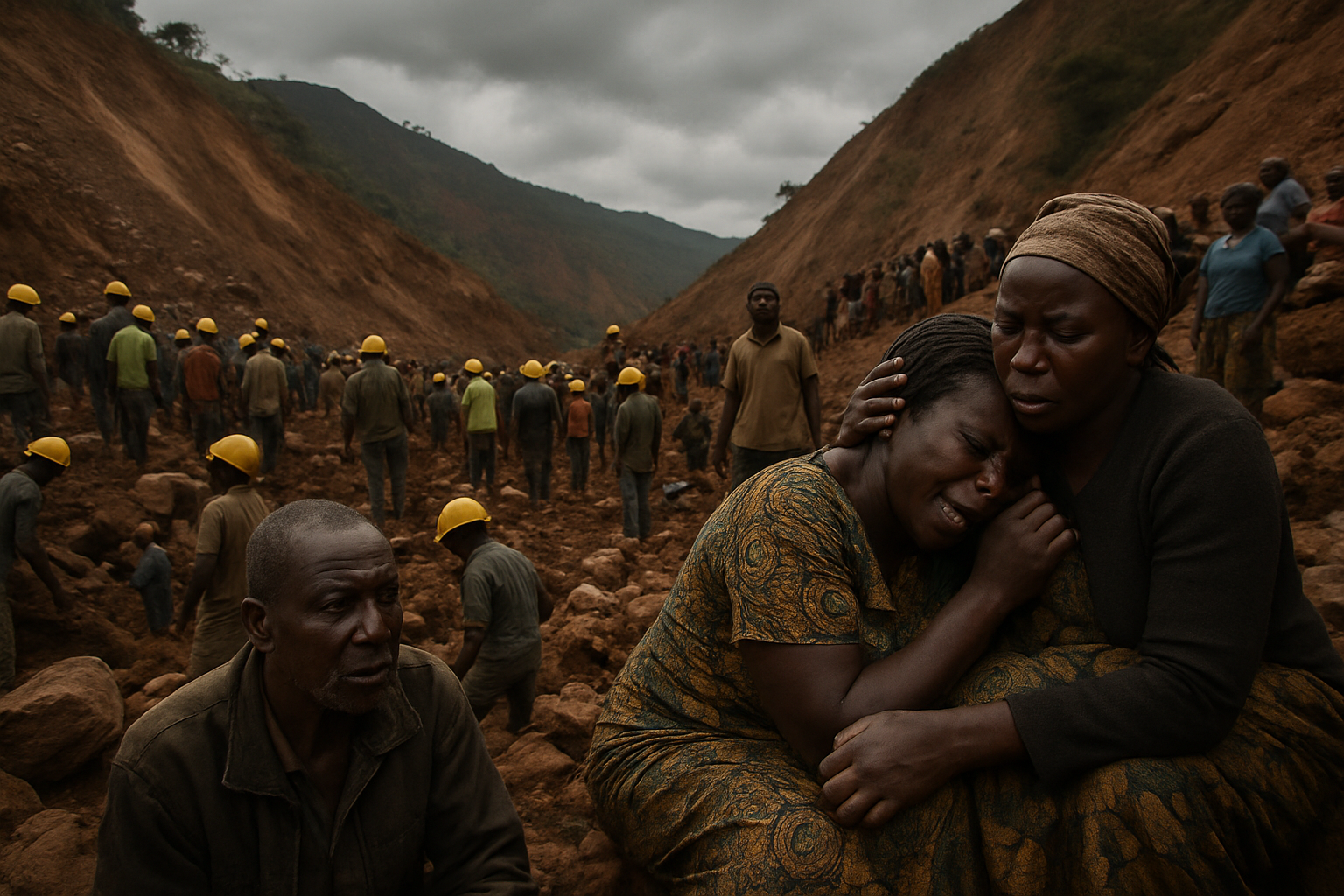
The death toll from a catastrophic landslide at a coltan mine in eastern Democratic Republic of Congo has risen to approximately 300 people, making it one of the deadliest mining disasters in the region's history.
The tragedy occurred on Wednesday at the Rubaya mine in North Kivu province, when heavy rains triggered a massive collapse that buried hundreds of miners, including women and children who were working at the site. The mine, which produces between 15 and 30 percent of the world's coltan supply, has been under the control of the M23 rebel group since May 2024.
Initial reports from local authorities suggested at least 200 fatalities, but the death toll has steadily climbed as rescue operations continue. Portuguese news agency EFE reported the latest figure of around 300 deaths, citing civil society leaders and former local officials familiar with the situation.
Rebel-Controlled Mining Operations
The Rubaya mine represents a critical source of coltan, a mineral essential for manufacturing electronic devices including smartphones, laptops, and electric vehicle batteries. The mineral's strategic importance has made it a key asset for armed groups operating in the resource-rich but conflict-plagued eastern regions of DR Congo.
Lumumba Kambere Muyisa, spokesman for the North Kivu region's rebel governor, confirmed the disaster occurred due to heavy rainfall that destabilized the mining structures. The M23 rebel group's control of the mine has complicated rescue efforts and access for international humanitarian organizations.
"More than 200 people have been killed in a mine collapse in eastern Democratic Republic of Congo"
— BBC Report via WINNFM
Dangerous Working Conditions
The presence of women and children among the victims underscores the desperate economic conditions that drive families to work in these dangerous, often illegal mining operations. Many of these mines operate without proper safety regulations, engineering oversight, or emergency protocols.
The eastern regions of DR Congo, while rich in minerals including coltan, gold, and cobalt, have been plagued by decades of conflict. Armed groups frequently control mining sites, using revenues to fund their operations while local populations work in hazardous conditions for minimal compensation.
The informal nature of much of the mining in the region means workers often lack protective equipment, proper training, or legal protections. Miners frequently work in unstable conditions, digging deep into hillsides without proper structural support.
International Response
The tragedy has drawn international attention, with Pope Leo XIV offering prayers for the victims during his weekly address. The Vatican's expression of solidarity highlights the global concern over the human cost of mineral extraction in conflict zones.
The DR Congo supplies a significant portion of the world's coltan, making the international community complicit in the economic chains that perpetuate these dangerous working conditions. Technology companies and manufacturers worldwide depend on minerals extracted from such sites, raising questions about corporate responsibility and supply chain ethics.
Regional Security Concerns
The M23 rebel group's control of the Rubaya mine is part of a broader pattern of armed groups leveraging mineral wealth to sustain their operations. The group's seizure of the mine in May 2024 demonstrated how quickly security situations can change in the region, often leaving mining communities caught between competing forces.
North Kivu province has experienced persistent instability, with various armed groups vying for control of territory and resources. The humanitarian crisis is compounded by the presence of millions of displaced persons who have fled violence in the region.
Ongoing Rescue Efforts
Rescue operations continue at the collapsed mine site, though the scale of the disaster and the remote location pose significant challenges. Local authorities and community members are working to recover bodies and search for any possible survivors, though hopes are diminishing as time passes.
The exact number of people who were working at the mine at the time of the collapse remains unclear, suggesting the final death toll could climb even higher. Many families in the region have reported missing relatives who were known to work at the site.
The incident serves as a stark reminder of the human cost of the world's growing demand for minerals essential to modern technology. As global consumption of electronic devices continues to rise, the pressure on mining communities in places like eastern DR Congo intensifies, often with tragic consequences for those working in the most dangerous conditions.