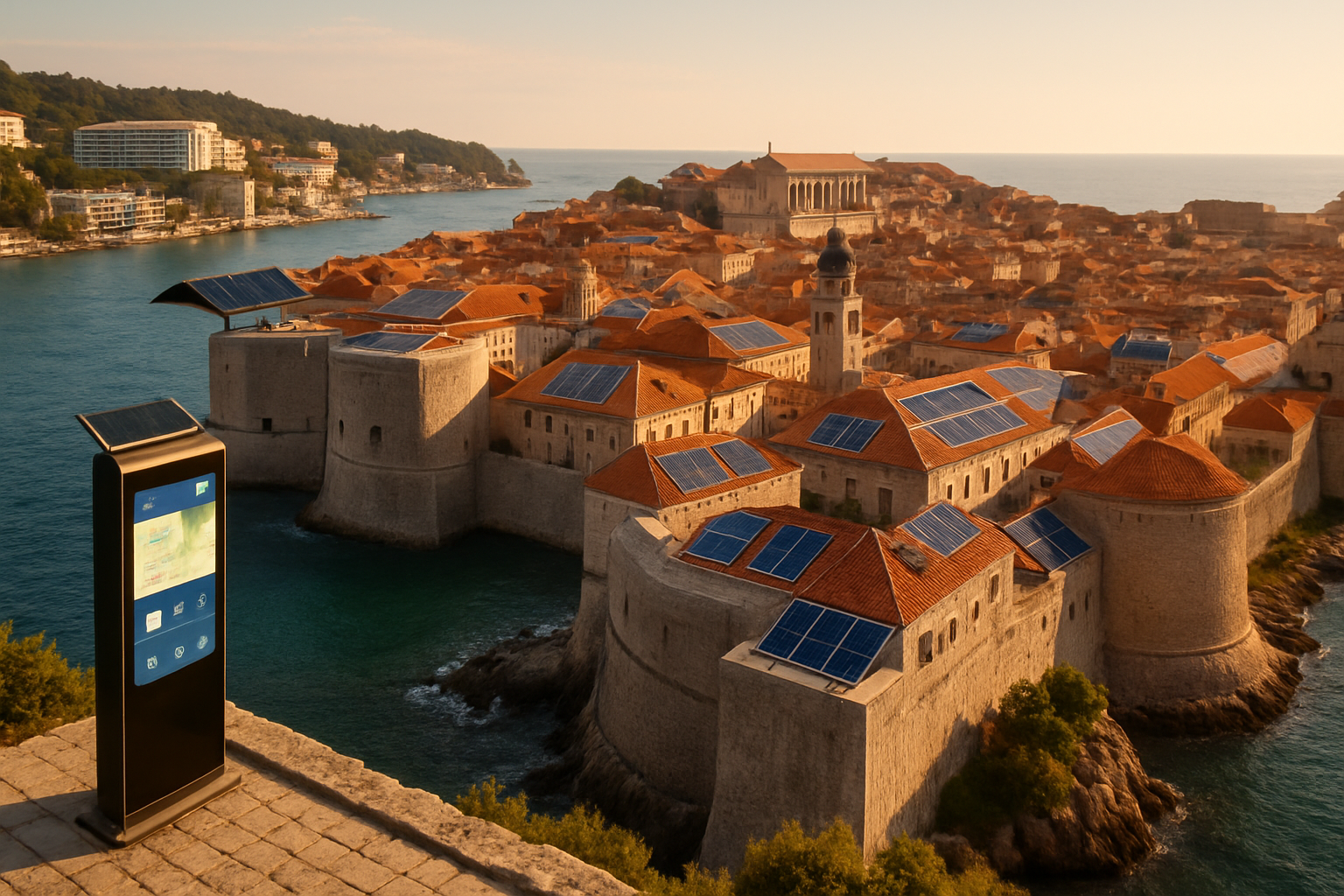
Dubrovnik has been awarded the prestigious title Green Pioneer of Smart Tourism 2026, marking one of the European Union's highest recognitions for sustainable tourism innovation, as the global travel industry navigates unprecedented transformation toward quality-focused development amid evolving consumer preferences and technological advancement.
The historic Croatian city's recognition comes at a watershed moment for the tourism sector, with industry experts describing March 2026 as a defining period that could establish new standards for sustainable tourism development worldwide. Croatia's tourism strategy exemplifies this evolution, deploying Europe's most extensive seasonal healthcare network with 62 tourist medical clinics for the 2026 season while implementing sophisticated destination management approaches that balance economic growth with community welfare and environmental protection.
Croatia's Leadership in Sustainable Tourism Innovation
Dubrovnik's Green Pioneer designation reflects Croatia's comprehensive approach to tourism transformation, combining technological innovation with authentic cultural preservation. The country has positioned itself as a safe European alternative during global uncertainties, investing 30% additional funding for new air routes targeting Asian and North American markets while maintaining its Mediterranean authenticity.
The recognition acknowledges Dubrovnik's implementation of smart tourism technologies that enhance visitor experiences while protecting the city's UNESCO World Heritage status. These include digital crowd management systems, sustainable transportation networks, and integrated visitor information platforms that distribute tourist flows more effectively throughout the historic city center and surrounding regions.
"This award represents our commitment to balancing tourism growth with community needs and environmental responsibility while preserving our cultural heritage for future generations."
— Croatian Tourism Authority Representative
Global Tourism Industry Transformation
The tourism sector is experiencing its most significant transformation since the advent of online booking, with an unprecedented $570+ billion global infrastructure investment surge emphasizing technology integration, climate resilience, and community engagement. Generation Z travelers, representing 50% of those taking multiple annual trips of five or more days, are driving demand for AI-integrated travel planning combined with authentic cultural experiences and environmental sustainability.
Regional cooperation is replacing individual destination competition, with coordinated marketing efforts, collaborative infrastructure development, and shared best practices creating multi-destination experiences. This shift represents a fundamental evolution toward cooperative tourism management that maximizes economic benefits while maintaining cultural identities and environmental integrity.
Smart Tourism Technology Integration
Successful destinations are demonstrating that technology can enhance rather than replace authentic cultural experiences. Rome's Trevi Fountain €2 entry system generates €6 million annually while managing overcrowding and preserving the historic site. Venice expanded its entry fee system to 60 days in 2026, compared to 29 days in the 2024 pilot phase, demonstrating dynamic pricing and visitor flow management capabilities.
Croatia's technological advancement extends beyond basic visitor management to comprehensive healthcare infrastructure, addressing post-pandemic expectations for enhanced visitor safety and medical accessibility. This proactive approach creates competitive advantages while supporting year-round employment and community development.
Budget Travel Innovation and Market Diversification
The industry transformation includes innovative approaches to budget travel, with destinations developing strategies that maintain quality while offering accessibility. Budget travel experts are emphasizing that strategic planning and local knowledge can enhance rather than diminish travel experiences, challenging traditional assumptions about cost versus quality in tourism.
French accommodation regulations, including Airbnb linen policies, reflect broader industry standardization efforts that balance visitor convenience with operational efficiency and local compliance requirements. These developments demonstrate the sector's maturation toward comprehensive regulatory frameworks that protect both visitors and host communities.
Climate Resilience and Sustainability
Climate adaptation is becoming essential for tourism competitiveness, with January 2026 marking the 18th consecutive month of global temperatures exceeding 1.5°C above pre-industrial levels. Destinations implementing proactive infrastructure design and seasonal diversification strategies are showing greater resilience to environmental challenges while maintaining visitor appeal.
Portugal's geopolitical instability affecting tourism demonstrates how external factors can rapidly impact destination competitiveness, making adaptive management and crisis communication increasingly important for long-term sustainability. Success requires balancing immediate operational needs with long-term environmental and community objectives.
Economic Impact and Community Benefits
Tourism's economic multiplier effects extend far beyond traditional hospitality, encompassing infrastructure improvements, cultural industry support, artisan networks, transportation development, and year-round employment creation. Cyprus achieved record performance with 4.5 million visitors generating €3.6 billion revenue through market diversification, demonstrating how quality-focused strategies can deliver superior economic outcomes compared to volume-based approaches.
The industry's evolution toward sustainable community-focused development creates opportunities for meaningful cultural exchange while supporting local economies. Destinations investing in comprehensive infrastructure that serves both visitors and residents are positioned for sustained competitive advantages in an increasingly sophisticated global marketplace.
Future Implications for Global Tourism
Dubrovnik's recognition as Europe's Green Pioneer of Smart Tourism 2026 establishes precedents for tourism development that serves economic objectives while maintaining cultural authenticity and environmental responsibility. The award acknowledges that sophisticated destination management can successfully balance growth with sustainability, creating templates for other destinations seeking competitive advantages through innovation rather than capacity expansion.
The convergence of technological advancement, environmental consciousness, and authentic cultural experiences represents the industry's maturation toward long-term sustainability models. Success factors consistently emerge across leading destinations: cultural authenticity preservation, enhanced visitor experiences through strategic infrastructure, meaningful community involvement, international cooperation, and adaptive management responding to changing consumer preferences.
March 2026 appears to represent a watershed moment establishing sustainable tourism standards that could define the sector for decades ahead. Destinations demonstrating comprehensive approaches to visitor management, community engagement, environmental protection, and cultural preservation are positioned to thrive in an increasingly complex global tourism environment that demands sophistication, adaptability, and genuine commitment to positive impact.