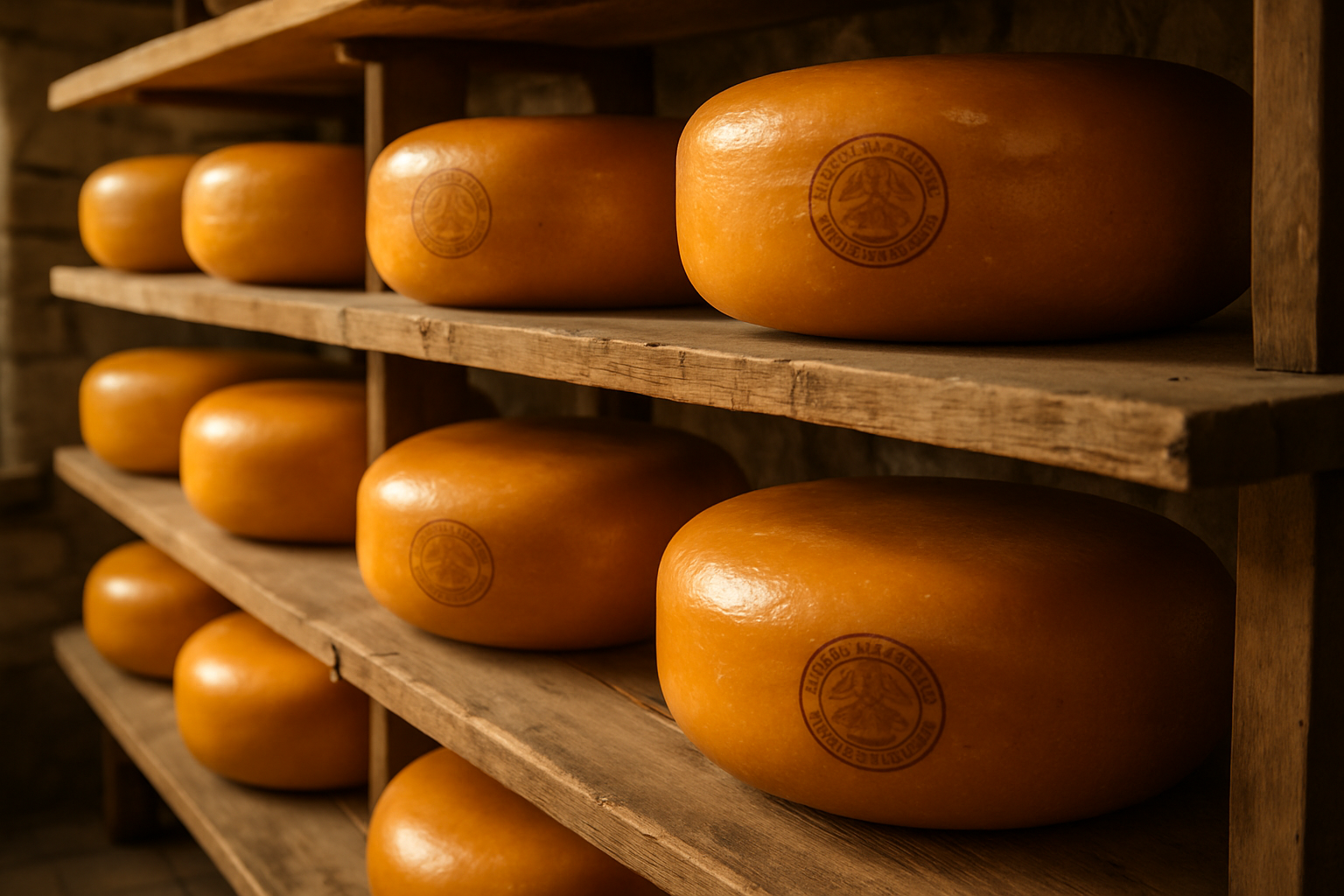
A cheese from Noord-Holland's Beemster region has claimed the prestigious title of best cheese in the world at the annual World Championship Cheese Contest, cementing the Netherlands' position as a global leader in dairy excellence and artisanal food production.
The victory represents a culmination of centuries of Dutch cheese-making tradition combined with modern innovation, as the Beemster region has established itself as one of the world's premier dairy production areas. This recognition comes at a crucial time for the global food industry, which is experiencing unprecedented transformation amid climate challenges and evolving consumer preferences toward authentic, artisanal products.
The Beemster Legacy: Centuries of Dairy Excellence
The Beemster region, a UNESCO World Heritage site known for its distinctive polder landscape, has been synonymous with exceptional dairy products since the 17th century. The area's unique geography—reclaimed land below sea level with rich, mineral-dense soil—creates optimal conditions for dairy farming that have been carefully preserved and refined over generations.
Local cheese makers have maintained traditional production methods while incorporating modern food safety standards and quality control techniques. The winning cheese exemplifies this balance between heritage craftsmanship and contemporary excellence, representing not just a product but a cultural tradition that has been passed down through Dutch families for centuries.
Global Recognition in Competitive Landscape
The World Championship Cheese Contest attracts entries from dozens of countries, with dairy producers from across Europe, North America, and emerging markets competing for the coveted title. This year's competition was particularly fierce, with innovations in aged cheeses, artisanal production techniques, and sustainable farming practices showcased by international participants.
The Dutch victory underscores the Netherlands' continued dominance in dairy exports, which represent one of the country's most significant agricultural sectors. Dutch cheese exports have maintained strong international demand despite global supply chain challenges and increasing competition from emerging dairy markets in South America and Asia.
Technical Excellence and Innovation
The Beemster champion cheese distinguished itself through several key factors: exceptional aging techniques that develop complex flavor profiles, innovative milk sourcing from carefully selected local dairy farms, and meticulous quality control processes that ensure consistency while preserving artisanal character.
Judges evaluated entries based on taste, texture, appearance, and overall craftsmanship. The winning Beemster cheese received particular praise for its distinctive flavor complexity, developed through traditional aging methods that can span several years in carefully controlled environments.
Economic Impact and Industry Implications
This international recognition carries significant economic implications for the Netherlands' dairy sector, which generates billions of euros annually in export revenue. The world championship title is expected to boost demand for Dutch dairy products globally, particularly in premium markets where consumers increasingly value authenticity and artisanal production methods.
The victory comes during a period of global food industry transformation, as consumers worldwide show growing preference for traditional production methods and authentic regional specialties. This trend aligns with broader movements toward conscious consumption and support for heritage food systems that preserve cultural traditions while maintaining environmental sustainability.
"This recognition validates decades of dedication to preserving traditional Dutch cheese-making while embracing innovation and quality excellence."
— Regional Dairy Industry Representative
Sustainable Practices and Future Outlook
The Beemster region's success reflects broader Dutch leadership in sustainable dairy farming practices. Local producers have implemented environmental management systems that balance intensive production with ecosystem preservation, including careful land management, water conservation, and animal welfare standards that exceed international requirements.
These practices have become increasingly important as global food systems face pressure to reduce environmental impact while maintaining production efficiency. The Dutch model demonstrates that traditional artisanal methods can be compatible with modern sustainability requirements, creating a template for dairy industries worldwide.
International Market Expansion
The world championship title is expected to facilitate expanded international market access for Beemster cheese and related Dutch dairy products. Premium food markets in Asia, North America, and emerging economies have shown increasing demand for authentic European dairy products, creating opportunities for Dutch producers to expand their global footprint.
Industry analysts anticipate that this recognition will strengthen the Netherlands' position in international trade negotiations and premium food market development, particularly as global consumers continue prioritizing quality and authenticity over mass-produced alternatives.
Cultural Heritage and Modern Excellence
The victory represents more than commercial success—it validates the preservation of Dutch cultural heritage through food production. The Beemster region's cheese-making traditions are deeply intertwined with Dutch national identity, representing centuries of agricultural innovation and adaptation to unique geographic conditions.
This cultural dimension has become increasingly important in global food markets, where consumers seek products that tell authentic stories and connect them to traditional craftsmanship. The world championship recognition reinforces the value of preserving these heritage practices while adapting them for contemporary markets.
The success also highlights the importance of geographic designation and regional specialization in modern agriculture. Like French wine regions or Italian olive oil zones, the Beemster area has developed a distinctive identity that differentiates its products in increasingly competitive global markets.
Looking Ahead: Industry Transformation
This achievement occurs during a pivotal moment for global dairy industries, as they navigate challenges including climate adaptation, changing consumer preferences, and evolving international trade relationships. The Dutch success provides a model for balancing tradition with innovation, quality with sustainability, and local heritage with global market demands.
The recognition is expected to inspire continued investment in Dutch dairy research and development, particularly in areas such as aging techniques, flavor development, and sustainable production methods. This could strengthen the Netherlands' long-term competitive position as global dairy markets continue evolving.
Industry observers anticipate that the world championship victory will generate increased international interest in Dutch cheese-making techniques and potentially attract culinary tourism to the Beemster region, creating additional economic benefits beyond direct dairy sales.
As global food systems continue transforming in response to climate change, sustainability concerns, and changing consumer preferences, the Dutch cheese industry's combination of traditional excellence and modern innovation provides a valuable template for food producers worldwide seeking to maintain quality while adapting to new market realities.