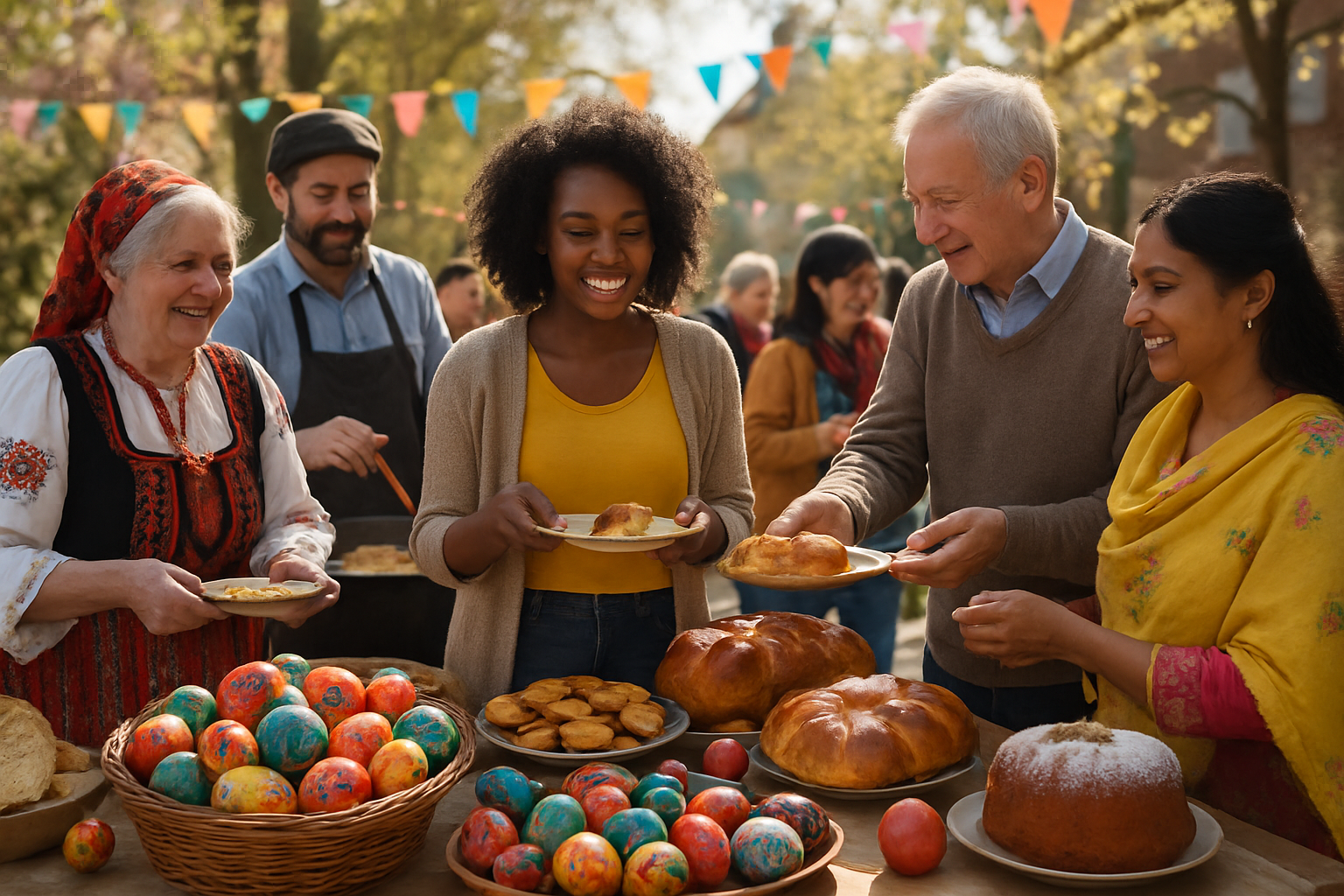
As Easter celebrations conclude across Europe and beyond, 2026 has emerged as a watershed year for cultural food traditions, demonstrating remarkable resilience and innovation in preserving culinary heritage while adapting to contemporary realities.
The spring season has brought unprecedented attention to traditional food practices, from the meticulous preparation of Easter specialties to the revival of ancient cooking techniques. Across multiple countries, communities are rediscovering the profound connections between food, culture, and identity.
Sacred Traditions Meet Modern Innovation
In Bulgaria, the historic Bachkovsky Monastery maintained its centuries-old tradition of coloring 2,026 Easter eggs—a symbolic number matching the year itself. This remarkable observance, conducted during Holy Thursday, required the coordinated efforts of dozens of volunteers who began preparation in the early morning hours.
"We started dyeing the eggs early in the morning, with the first one being offered before the icon of Christ," explained monastery officials. "This year's coincidence between the number of eggs and the year is seen as a symbolic sign of blessing and hope."
— Bachkovsky Monastery Officials
The Bulgarian celebration exemplifies a broader European trend where traditional practices are being preserved with renewed vigor. Research from Bulgarian culinary institutions reveals that traditional honey and cheese buhti (small fluffy pastries) are experiencing a renaissance as authentic breakfast rituals, representing connections to cultural identity and childhood memories.
Culinary Innovation Across Borders
Sweden's approach to Easter food culture showcases sophisticated integration of traditional elements with contemporary culinary expertise. Wine specialist Alf Tumble has promoted seasonal harmony through carefully crafted pairings of spring vegetables with complementary wines, capturing what he describes as "the season's essence."
In Bosnia and Herzegovina, culinary innovation continues with creative approaches to traditional desserts. The fusion of poppy seed and coconut in soft sponge cakes, combined with rich, dense cream layers, demonstrates how traditional techniques can create contemporary masterpieces that "melt in your mouth."
Romania has seen remarkable developments in Easter dietary guidance, with medical professionals providing evidence-based recommendations for celebrating traditional foods while maintaining health consciousness. Dr. Sorina Ispas emphasizes that traditional Easter foods like lamb and eggs can be enjoyed in moderation as part of a balanced lifestyle.
Greece's Methodical Approach to Tradition
Greek communities have been particularly focused on perfecting traditional Easter practices, with detailed guidance on avoiding common mistakes in egg coloring. The traditional red dyeing process, conducted on Holy Thursday, serves as both spiritual preparation and family bonding activity leading to beloved family traditions.
This attention to detail reflects broader Greek cultural values that emphasize proper technique and respect for ancestral practices. The emphasis on doing things correctly rather than quickly resonates with contemporary movements toward mindful, authentic experiences.
Economic and Cultural Implications
The Easter food renaissance has significant economic implications across Europe. In Romania, major retail chains have adapted their schedules to accommodate traditional shopping patterns, recognizing the economic importance of cultural celebrations. The careful balance between commercial accommodation and cultural authenticity demonstrates sophisticated understanding of heritage tourism and community economics.
Traditional food preparation also supports local agricultural communities. Sweden's emphasis on seasonal ingredients and Bulgaria's monastery traditions both rely on local sourcing networks that strengthen regional food systems while reducing environmental impact.
Health-Conscious Cultural Preservation
Medical professionals across the region have provided nuanced guidance for celebrating traditional foods within contemporary health frameworks. This represents a mature approach to cultural preservation that acknowledges both the importance of heritage practices and modern nutritional understanding.
Romanian medical experts particularly emphasize that traditional Easter celebrations can be maintained through mindful consumption rather than elimination, providing practical frameworks for families wanting to honor culture while supporting health goals.
Technology Enabling Tradition
Digital platforms have played a crucial role in preserving and sharing traditional food knowledge. Social media enables recipe sharing across borders, while mobile applications help families coordinate traditional preparation schedules and ingredient sourcing.
However, the most successful applications of technology enhance rather than replace fundamental cultural practices. The emphasis remains on human connections, family traditions, and community participation—with technology serving as a supportive tool rather than a replacement for authentic cultural engagement.
International Cooperation and Cultural Exchange
The 2026 Easter food renaissance demonstrates remarkable international cooperation in preserving cultural heritage. Countries are sharing traditional techniques, supporting each other's cultural tourism initiatives, and collaborating on research documenting traditional food practices.
This cooperation extends beyond Europe, with global communities learning from European approaches to balancing tradition with innovation. The emphasis on authentic cultural expression while embracing beneficial advances provides templates for sustainable cultural preservation worldwide.
Future Implications
The success of Easter 2026 celebrations suggests that traditional food cultures can thrive in contemporary contexts when approached with creativity, respect, and community engagement. The combination of authentic preservation, strategic technology integration, and international cooperation offers hope for maintaining cultural heritage while serving contemporary needs.
As communities continue navigating environmental pressures and changing social contexts, the Easter food renaissance provides valuable lessons about resilience, adaptation, and the enduring power of cultural traditions to unite communities across differences.
The 2026 Easter experience demonstrates that food traditions possess inherent adaptability when approached with commitment to heritage and openness to beneficial innovation. Rather than disappearing under modern pressures, these practices are evolving in ways that preserve cultural essence while addressing contemporary realities—creating a sustainable foundation for cultural preservation that honors the past while serving the future.