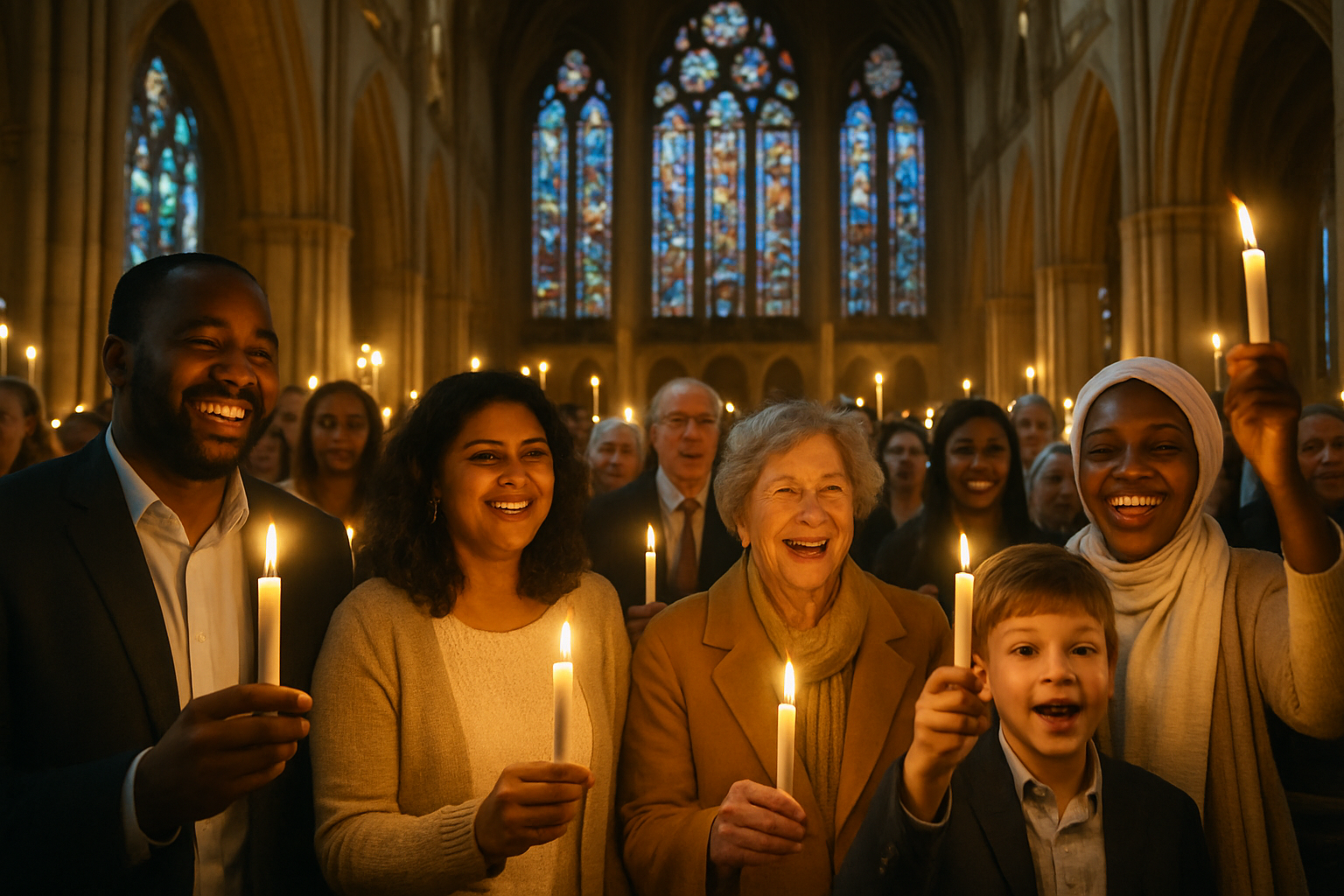
Christians worldwide celebrated Easter Sunday on April 5, 2026, with unprecedented global coordination and spiritual unity, as over 2.4 billion believers marked Christianity's most sacred celebration of Jesus Christ's resurrection from the dead.
The celebrations took on special significance as they marked the first Easter for Pope Leo XIV, the first American pontiff in Catholic history, who delivered powerful messages of hope and peace from Vatican City. The day culminated with the traditional "Urbi et Orbi" blessing, watched by millions worldwide.
Papal Leadership Sets Tone for Global Observances
Pope Leo XIV's Easter celebrations at St. Peter's Basilica drew thousands of faithful and millions of television viewers worldwide. The American-born Pope, who has been leading the Catholic Church since May 2025, celebrated Easter Mass at 10:15 AM local time, following Saturday evening's Easter Vigil where he personally carried the paschal candle through the darkened basilica.
The papal Easter message emphasized themes of renewal, hope, and peace, continuing the Pope's recent strong advocacy for global harmony. His "Urbi et Orbi" blessing from the central balcony of St. Peter's Basilica was expected to include further appeals for peace in conflict zones worldwide.
"Today we celebrate the triumph of life over death, hope over despair, and love over hatred. This is the heart of our faith - the resurrection that gives meaning to all human suffering and joy."
— Vatican Source on Papal Easter Message
Global Celebrations Span Continents
From the Democratic Republic of Congo to Lithuania, from the Philippines to Romania, Christians gathered in churches, cathedrals, and outdoor venues to commemorate the resurrection. Each nation brought its own cultural traditions while maintaining the universal Christian message of hope and renewal.
Africa: Messages of Peace and Unity
In the Democratic Republic of Congo, Cardinal Fridolin Ambongo delivered a powerful Easter message calling for "profound national communion" and urging Congolese citizens to prioritize dialogue and peace to overcome divisions and rebuild their nation. The Archbishop Metropolitan of Kinshasa's message resonated particularly strongly in a region still facing security challenges.
Europe: Tradition Meets Modern Celebration
Bulgaria's celebrations centered on the theme of forgiveness, with Orthodox communities emphasizing Easter as Christianity's oldest and most important feast. Over 330,000 Bulgarians celebrated their name day during Palm Sunday celebrations, demonstrating the continued cultural significance of Christian traditions.
Lithuania's Parliament Speaker Juozas Olekas offered Easter greetings emphasizing community, trust, and care for one another, while Romanian media highlighted this as the first Easter without Pope Francis and the first with Pope Leo XIV, marking a historic transition in Catholic leadership.
Bosnia and Herzegovina Catholics joined believers worldwide in celebrating what local media described as Christianity's greatest feast, commemorating Christ's resurrection and victory over death.
Asia-Pacific: Faith Transcending Borders
The Philippines played host to special coverage of Pope Leo XIV's Easter Mass, with local media providing live streaming at 4:15 PM Manila time for Filipino Catholics wanting to participate in the Vatican celebrations remotely.
Middle East: Celebrating Amid Challenges
Egypt saw Easter observances despite ongoing regional tensions, with the German Embassy in Cairo closing for two days in observance of Easter, demonstrating the international recognition of Christianity's most sacred celebration.
Interfaith Context and Global Significance
Easter 2026 followed the conclusion of Ramadan, creating unique opportunities for interfaith dialogue and mutual understanding. Both sacred seasons emphasized themes of spiritual purification, community service, and charitable giving, with religious leaders noting the providential timing that offered opportunities for shared learning across faith communities.
France's Le Monde highlighted the theological significance of Easter for Christians, describing it as "the most ancient and important Christian feast" celebrating Christ's resurrection following the Holy Week that culminates the Lenten season.
Calls for Spiritual Renewal
In Guyana, gospel minister Loiden Henry urged citizens to "stay grounded in Christ" during the Easter season, calling on people to focus on sacrifice, faith, and gratitude rather than merely festive activities. This message resonated across many nations where religious leaders emphasized the spiritual significance over commercial aspects.
The global nature of Easter 2026 celebrations was particularly evident in the coordination between different Christian denominations and the adaptation to local customs while maintaining core theological messages. From cathedral services to family gatherings, the essential Easter message remained constant: faith endures, communities persevere, and hope survives challenging circumstances.
Historical Context and Continuing Challenges
Easter 2026 occurred during a period of significant global challenges, including ongoing conflicts in the Middle East and various humanitarian crises worldwide. Pope Leo XIV's leadership style, marked by direct moral appeals rather than diplomatic protocol, has positioned the Vatican as a strong voice for peace during these troubled times.
The celebrations built upon a pattern of sophisticated international religious coordination seen throughout 2026, including successful interfaith dialogue initiatives and collaborative responses to global challenges. This Easter demonstrated Christianity's capacity to unite diverse communities across cultures, languages, and borders while addressing contemporary challenges through ancient wisdom.
Looking Forward: Template for Hope
Easter 2026 provided a template for how ancient spiritual traditions can maintain their essential character while adapting to contemporary realities. The successful integration of technology with traditional worship, the emphasis on global solidarity while honoring local customs, and the focus on messages of hope during difficult times all contributed to making this Easter a defining moment for global Christianity.
As Christians around the world concluded their Easter celebrations, the messages of renewal, peace, and hope echoed from St. Peter's Square to village churches across six continents, demonstrating the enduring power of faith to bring light to darkness and unite humanity in common purpose.
The celebration served as a reminder that despite global divisions and challenges, the fundamental Christian message of resurrection and renewal continues to provide meaning, community, and hope for billions of believers worldwide, establishing Easter 2026 as a watershed moment for international Christian unity and spiritual resilience.