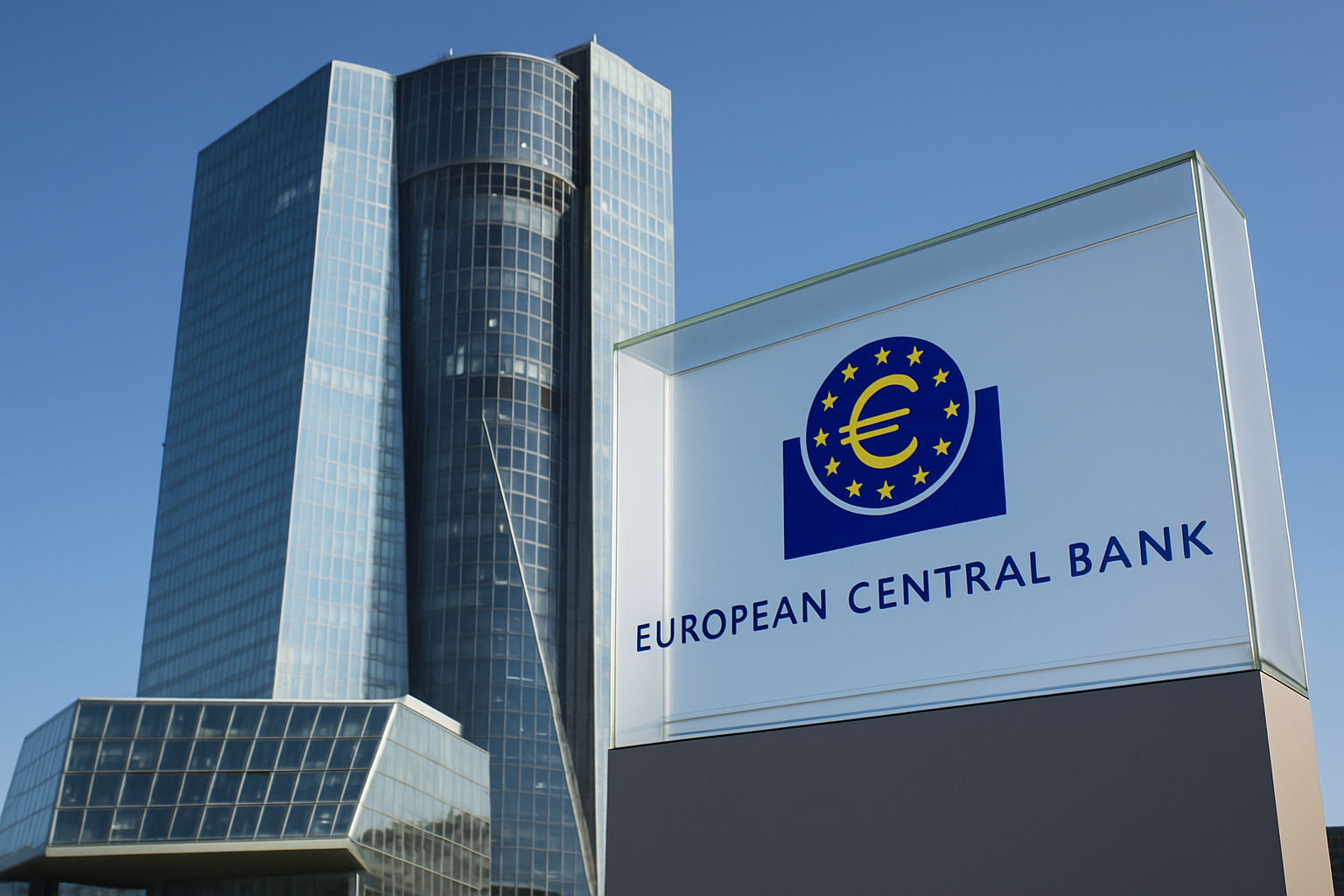
The European Central Bank maintained its key deposit rate at 2.0% on Thursday, resisting pressure to adjust monetary policy despite mounting inflation concerns driven by escalating energy prices from Middle East conflicts affecting global oil markets.
The ECB's decision comes as geopolitical tensions in the Middle East have triggered significant volatility in energy markets, with crude oil prices surging amid supply disruption fears. The central bank's Governing Council unanimously agreed to hold rates steady, prioritizing monetary stability while closely monitoring inflation developments across the 19-nation eurozone.
Energy Crisis Creates Inflation Headwinds
Recent developments in the Middle East have created unprecedented pressure on European energy markets. Natural gas prices have exploded by 24% across Europe, reaching €47.32 per megawatt-hour – the highest levels since February 2025. This surge has been accompanied by oil price increases that threaten to push inflation expectations well above the ECB's 2% target.
Financial markets now anticipate eurozone inflation could climb close to 4% over the next year, according to market-based indicators. This represents a significant shift from recent trends, where inflation had been moderating across most eurozone countries. The energy price shock has created a complex policy challenge for ECB policymakers, who must balance price stability concerns against the risk of choking off economic growth.
Lagarde Emphasizes Temporary Measures
ECB President Christine Lagarde addressed the mounting pressures during Thursday's policy meeting, cautioning that any fiscal measures implemented by eurozone governments to cushion energy price impacts should remain strictly temporary. She warned that permanent support measures could risk stimulating underlying inflation pressures, potentially requiring more aggressive monetary tightening later.
"We must ensure that temporary measures remain truly temporary to avoid stimulating broader inflationary pressures in the economy,"
— Christine Lagarde, ECB President
The ECB's stance reflects growing concern that well-intentioned government interventions to protect households and businesses from energy price increases could inadvertently fuel demand-driven inflation, making the central bank's job more difficult in the medium term.
Global Central Bank Policy Divergence
The ECB's decision to maintain rates at 2% contrasts sharply with policy moves by other major central banks. The Bank of England kept rates on hold at 3.75% but signaled readiness to act against Middle East-related inflation risks. Meanwhile, the Reserve Bank of Australia has been more aggressive, raising rates to 3.85% in recent months to combat persistent price pressures.
This policy divergence reflects varying regional economic conditions and inflation dynamics. While the eurozone has seen inflation moderate to 1.7% in January – the lowest level since 2021 and below the ECB's 2% target – other economies continue to grapple with more persistent price pressures.
Market Impact and Currency Dynamics
The ECB's rate decision has contributed to complex currency dynamics in global markets. The euro has shown resilience against major currencies, supported by the central bank's commitment to price stability and the relatively stable eurozone inflation outlook compared to other regions.
However, energy price volatility has created uncertainty about the sustainability of current inflation trends. Market participants are closely watching developments in the Middle East, with many analysts suggesting that prolonged conflict could force the ECB to reconsider its accommodative stance.
Regional Variations Complicate Policy
The ECB faces the challenge of setting monetary policy for a diverse economic union where inflation experiences vary significantly by country. While Germany recorded 1.7% inflation in January, other eurozone members show different patterns: Austria at 2.0%, Italy at 1.0%, and the Netherlands at 2.4%.
These regional variations highlight the complexity of monetary policy in the eurozone, where a single interest rate must serve diverse national economies with different structural characteristics and varying exposure to external shocks.
Energy Security and Economic Resilience
The current crisis has exposed Europe's vulnerability to energy supply disruptions from geopolitically volatile regions. The ECB's monetary policy framework must now account for potential supply-side shocks that could drive inflation through channels beyond traditional demand pressures.
Countries like Estonia, which operates continental Europe's largest battery storage system serving 90,000 households and generates 88% of electricity from renewable sources, demonstrate potential pathways toward greater energy independence. However, the transition to renewable energy requires years or decades, leaving Europe vulnerable during critical periods like the current Middle East tensions.
Forward Guidance and Market Expectations
The ECB has maintained its data-dependent approach to monetary policy, emphasizing that future rate decisions will be based on incoming economic data rather than predetermined schedules. This flexibility allows policymakers to respond to rapidly changing conditions while maintaining credibility with financial markets.
Market expectations for ECB policy have shifted significantly in recent weeks, with investors now pricing in the possibility of rate increases later in 2026 if energy-driven inflation proves more persistent than initially anticipated. The central bank's communication strategy will be crucial in managing these expectations while preserving policy flexibility.
Implications for European Integration
The current energy and inflation challenges test the resilience of European economic integration. With 89% of Europeans demanding greater EU unity according to recent Eurobarometer surveys, there is strong public support for coordinated responses to common challenges.
However, the implementation of effective coordination faces obstacles in balancing national sovereignty with collective action requirements. The ECB's monetary policy provides a crucial anchor for European economic stability, but fiscal policies remain largely national responsibilities, creating potential tensions during crisis periods.
Looking Ahead
The ECB's decision to maintain rates at 2% reflects a careful balance between multiple competing pressures. While current inflation readings remain below target, the central bank recognizes that energy price shocks could quickly change this picture.
The coming months will be critical for determining whether the current energy crisis represents a temporary shock that will fade as geopolitical tensions ease, or a more persistent challenge requiring fundamental adjustments to European monetary policy. The ECB's response will likely influence not only eurozone economic performance but also broader questions about European economic sovereignty and resilience in an increasingly volatile global environment.
As financial markets continue to process the implications of Middle East developments, the ECB's commitment to price stability while supporting economic growth will face its most significant test since the institution began its current policy framework. The central bank's ability to navigate these challenges will have lasting implications for European monetary union and the global financial system.