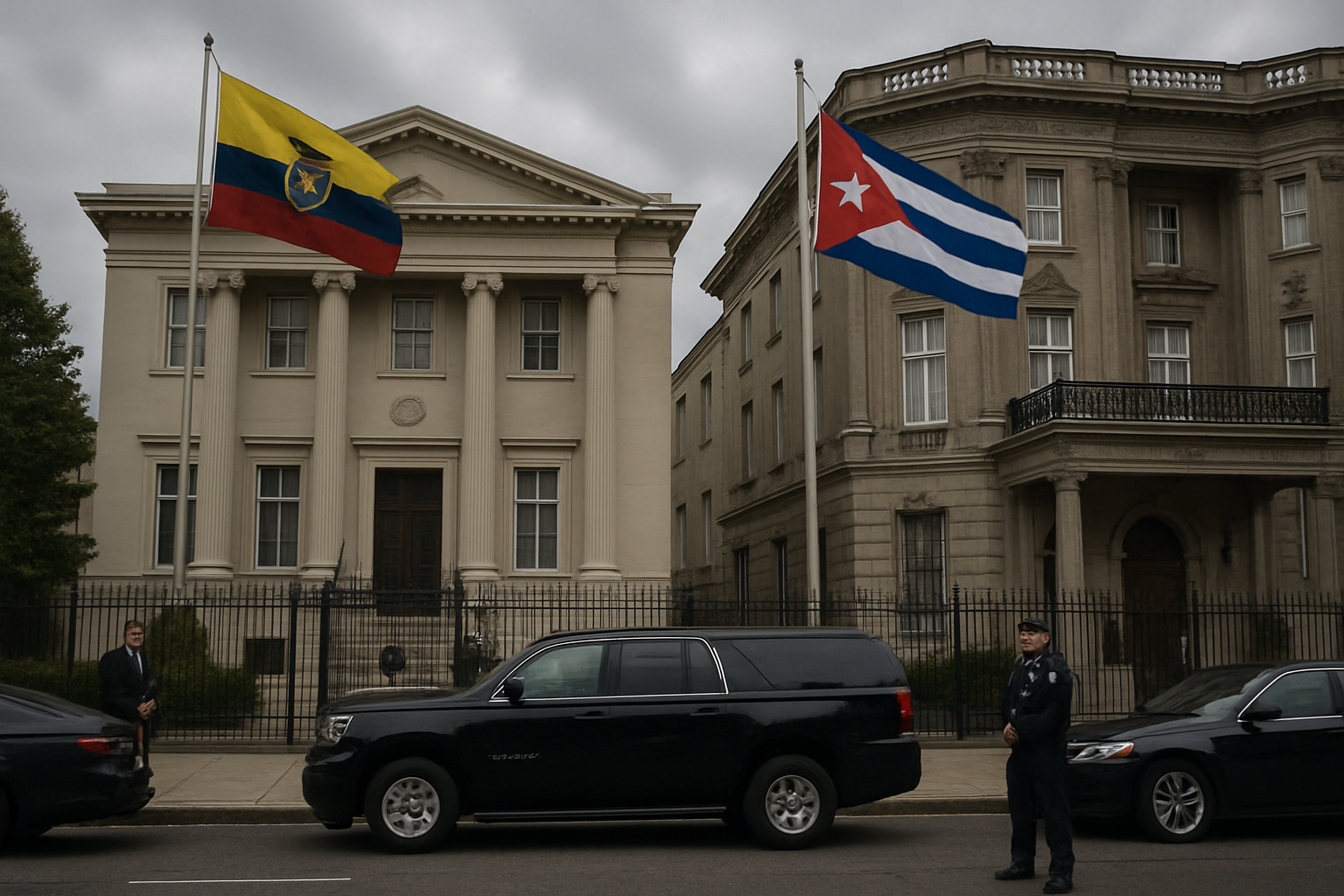
Ecuador has expelled Cuba's ambassador and 22 embassy personnel, granting them just 48 hours to leave the country in a dramatic escalation of diplomatic tensions between the two Latin American nations.
The Ecuadorian government's decision, announced on March 5, 2026, represents one of the most significant diplomatic ruptures in recent Ecuador-Cuba relations. President Daniel Noboa's administration ordered the immediate expulsion of the entire Cuban diplomatic delegation, citing unspecified violations of diplomatic protocols and interference in Ecuador's internal affairs.
President Noboa's Controversial Comments
Adding controversy to the diplomatic crisis, President Noboa made ironic remarks about the burning of documents at the Cuban embassy, suggesting improper activities by the expelled diplomats. Spanish media outlet 14ymedio reported that Ecuadorian military personnel have been stationed outside the Cuban embassy in Quito to monitor the departure process.
The president's comments have drawn both domestic and international attention, with observers noting the unusual public nature of his remarks regarding sensitive diplomatic matters. The burning of documents is a standard diplomatic practice when closing missions, but Noboa's commentary suggests Ecuador believes the Cuban embassy was engaged in activities beyond normal diplomatic functions.
Regional Context and Broader Implications
This diplomatic expulsion occurs against the backdrop of Cuba's worst humanitarian crisis since the 1990s Special Period. The island nation is currently experiencing complete aviation isolation through March 11, 2026, with zero jet fuel available at all airports. Over 51% of Cuba's population faces scheduled blackouts, and the country's oil reserves have dwindled to a critical 15-20 day supply.
Ecuador's decision aligns with broader regional shifts in Latin America's relationship with Cuba. The expulsion comes as several countries have reduced diplomatic engagement with Havana amid the island's deepening economic crisis and ongoing political tensions with the United States.
"The Cuban government is in complete crisis, and we cannot allow their problems to become Ecuador's problems through inappropriate diplomatic activities."
— Senior Ecuadorian Official, speaking on condition of anonymity
Military Surveillance and Security Measures
Ecuadorian military forces have established a visible presence outside the Cuban embassy in Quito, monitoring the diplomatic compound as expelled personnel prepare their departure. The military surveillance represents an unusual step in diplomatic protocol, typically reserved for situations involving suspected espionage or security threats.
Security experts suggest the military presence indicates Ecuador's concerns extend beyond routine diplomatic disagreements to potential intelligence or security matters. The 48-hour deadline is notably short for diplomatic expulsions, suggesting urgency in Ecuador's desire to see Cuban personnel leave the country.
Cuba's Humanitarian Crisis Context
The timing of Ecuador's expulsion coincides with Cuba's unprecedented humanitarian emergency. The island faces its fifth major power grid collapse since late 2024, with the Antonio Guiteras thermoelectric power plant failure affecting approximately 8 million of Cuba's 11 million inhabitants. Only the Felton 1 plant in Holguín province remains operational, with energy officials warning of a 72-hour restoration timeline.
Cuba's complete aviation isolation has stranded over 25,000 tourists, including 21,000 Canadians and 4,000 Russians. Major airlines including Air Canada, WestJet, and Air Transat have suspended all flights to the island. The tourism industry has collapsed, with major hotel chains like Meliá, Iberostar, and Blue Diamond closing facilities in Varadero and northern coast areas.
International Diplomatic Responses
The expulsion has drawn mixed reactions from regional powers. While some countries have expressed concern about the deteriorating situation in Cuba, others have supported Ecuador's sovereign right to determine its diplomatic relationships. The move comes as the Trump administration's maximum pressure campaign against Cuba has achieved what officials call "total energy supply severance."
Russia has pledged oil aid to Cuba, directly challenging U.S. pressure campaigns, while China has demanded Washington "immediately cease" pressure on Cuba. European officials have characterized the situation as a "deliberately engineered humanitarian emergency."
Historical Precedents and Diplomatic Protocol
Diplomatic expulsions of entire embassy staffs are relatively rare in Latin American relations, typically reserved for cases involving espionage, terrorism support, or fundamental breaches of diplomatic immunity. The scale of Ecuador's action suggests serious allegations against Cuban diplomatic personnel, though specific details remain classified.
The 48-hour timeline is particularly significant, as standard diplomatic protocol usually allows weeks for orderly closure of embassy operations. Ecuador's compressed timeframe indicates either immediate security concerns or a desire to send a strong political message to Havana and the broader international community.
Implications for Regional Relations
Ecuador's decision reflects broader regional realignment as Latin American countries reassess their relationships with Cuba amid the island's deepening crisis. The expulsion may encourage other nations to take similar actions, potentially further isolating Cuba diplomatically during its most vulnerable period since the Cold War.
The move also signals Ecuador's alignment with countries taking a harder line against Cuba's government, potentially strengthening ties with the United States and other nations supporting maximum pressure policies. For President Noboa, the expulsion may serve domestic political purposes by demonstrating strong leadership on national security issues.
As the 48-hour deadline approaches, international observers will closely watch whether this diplomatic rupture leads to broader regional isolation of Cuba or prompts other nations to increase humanitarian support for the island's struggling population. The outcome may establish precedents for how hemispheric nations respond to Cuba's ongoing humanitarian and political crisis.