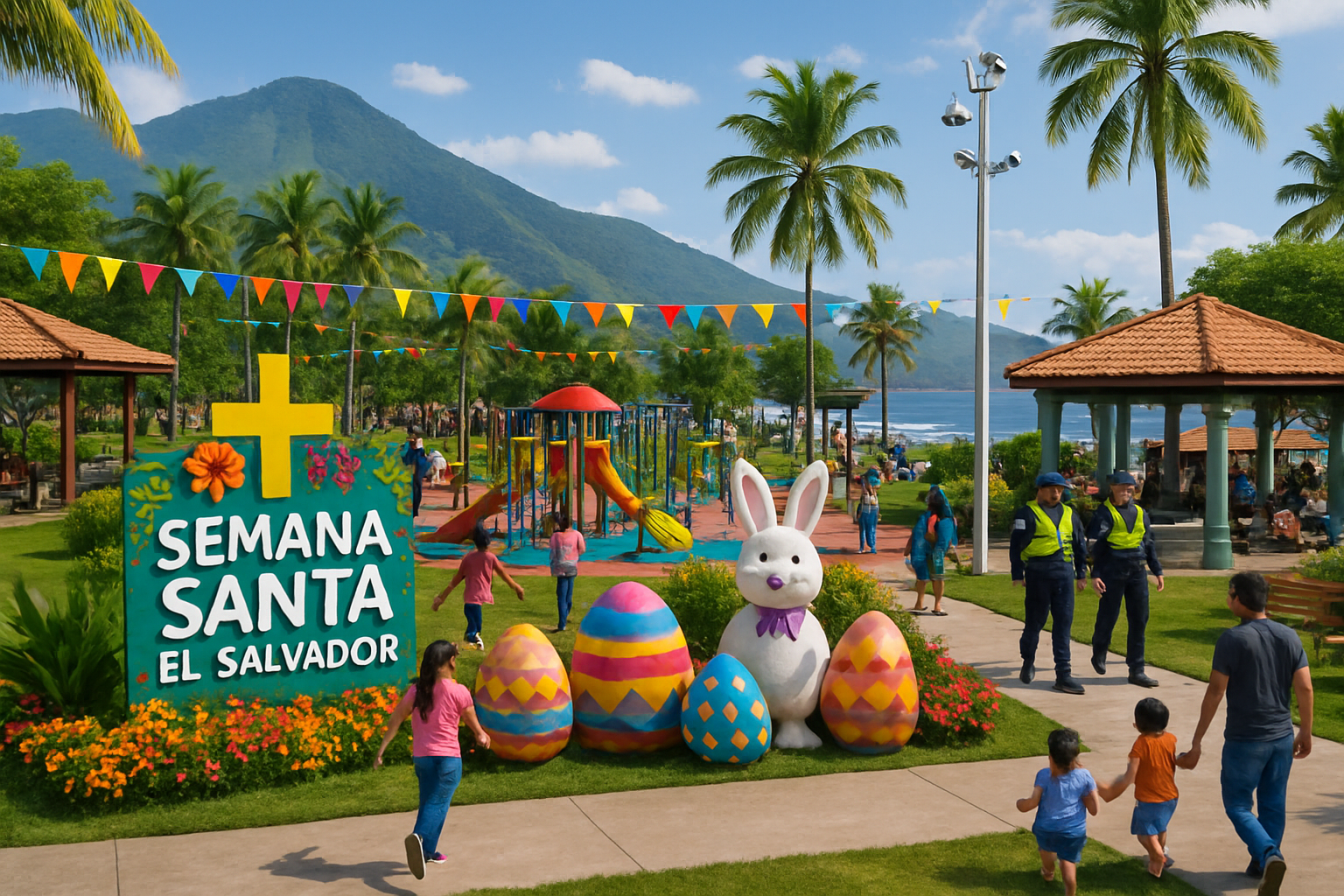
El Salvador has unveiled an ambitious comprehensive strategy for Semana Santa (Holy Week) 2026, implementing enhanced security measures, fully renovated recreational facilities, and expanded cultural programming to accommodate the growing influx of both domestic and international tourists during the Easter holiday period.
The Central American nation's preparations demonstrate a sophisticated approach to tourism infrastructure development, building on the country's remarkable 49% tourism growth trajectory and positioning as a premier regional destination under President Nayib Bukele's comprehensive tourism strategy.
Enhanced Roadway Assistance and Infrastructure Support
The Ministry of Public Works (MOP) has deployed its comprehensive "MOP Te Asiste" program across strategic locations nationwide, providing immediate roadside assistance to motorists traveling to popular tourist destinations during the Holy Week period. The initiative offers crucial support for drivers experiencing mechanical difficulties, battery problems, tire changes, and other vehicle emergencies along high-traffic routes leading to beaches, lakes, and recreational sites.
MOP teams maintain strategic positioning along principal highways and access routes to coastal areas, ensuring traffic fluidity and traveler safety during one of the year's peak mobility periods. The service operates through a dedicated hotline (2510-0199) providing 24-hour emergency assistance, demonstrating the government's commitment to comprehensive visitor support infrastructure.
"This roadway assistance program ensures that families can travel safely and confidently to their chosen destinations during Semana Santa, knowing that professional help is available should they encounter any difficulties along the way."
— MOP Te Asiste Program Officials
Major Recreational Facility Renovations
Parque Recreativo Apulo in Ilopango has undergone extensive renovation and modernization, reopening with significantly improved infrastructure designed to provide families with enhanced recreational experiences. The comprehensive renovation project included complete upgrades to bathroom and changing facilities, recreational area modernization, and safety feature enhancements throughout the park.
The facility transformation represents a notable "before and after" success story, demonstrating the Ministry of Public Works' commitment to providing dignified recreational spaces for Salvadoran families. The renovated park offers modern amenities designed to accommodate visitors of all ages, promoting family bonding and community interaction in a safe, comfortable environment.
Ministry officials emphasize that every aspect of the renovation prioritized visitor comfort and safety, creating spaces where children, youth, and adults can enjoy quality recreational time together. The modernized infrastructure reflects current safety standards while maintaining the natural appeal that makes these locations attractive to families seeking outdoor recreation opportunities.
Extended Cultural Programming and Events
El Salvador's cultural institutions have significantly expanded their Semana Santa programming to offer diverse entertainment options for visitors seeking authentic cultural experiences beyond traditional beach tourism. The Museo Nacional de Antropología David J. Guzmán (MUNA) has launched a special sand sculpture exhibition featuring large-scale artworks inspired by the country's rich cultural heritage.
The museum's exhibition, available daily from 10:00 AM to 6:00 PM throughout the Holy Week period, showcases five impressive sand sculptures representing iconic elements of Salvadoran archaeological heritage. Visitors can observe artist Francisco Méndez actively creating works inspired by the Parque Arqueológico Tazumal, the famous Disco del Jaguar, and the emblematic wheeled dog figurine from Cihuatán.
The initiative provides families with educational entertainment opportunities that highlight El Salvador's pre-Columbian cultural legacy while offering hands-on artistic experiences. Two sculptures remain in active development, allowing visitors to witness the creative process in real-time within the museum's central plaza.
Additionally, the CIFCOMIC 2026 event continues at the FENADESAL Railway Museum with extended hours specifically designed to accommodate Holy Week visitors. The convention features comprehensive daily programming from 3:00 PM to 11:00 PM on weekends and 6:00 PM to 11:00 PM on weekdays, providing alternative entertainment for families seeking indoor cultural activities.
Strategic Cultural Tourism Development
These cultural programming expansions align with El Salvador's broader tourism strategy that emphasizes authentic experiences beyond the country's successful Surf City initiative. The government's approach demonstrates sophisticated destination management that balances beach tourism with cultural heritage preservation and educational programming.
The Ministry of Tourism's comprehensive approach builds on the country's impressive tourism growth metrics, with recent data showing significant increases in international visitor arrivals and positive feedback from neighboring Central American countries, the United States, and other international markets.
Comprehensive Security and Visitor Safety Measures
Building on El Salvador's substantial security improvements under the Bukele administration, authorities have implemented comprehensive safety protocols throughout major tourist destinations during Semana Santa. The enhanced security framework leverages the country's dramatic reduction in crime rates, which has become a significant factor in attracting international visitors and encouraging domestic tourism.
Security measures encompass both visible and discrete protection elements designed to ensure visitor safety without creating an intimidating atmosphere that might detract from the holiday experience. The approach demonstrates sophisticated security planning that maintains El Salvador's welcoming tourism environment while providing robust protection for all visitors.
International tourism industry observers note that El Salvador's security improvements have become a crucial competitive advantage in the Central American tourism market, with the country's transformation from a security concern to a safe destination representing one of the region's most remarkable tourism development success stories.
Economic Impact and Regional Significance
El Salvador's comprehensive Semana Santa preparations reflect the country's emergence as a significant regional tourism destination, with economic multiplier effects extending far beyond the immediate hospitality sector. The tourism strategy encompasses infrastructure improvements, cultural industry support, artisan networks, and year-round employment creation that benefits entire communities.
Recent tourism performance data indicates the country's success in attracting visitors from Guatemala, Honduras, the United States, and other international markets, with growth rates significantly exceeding regional averages. The Holy Week period represents a crucial testing ground for the country's tourism infrastructure and service capabilities during peak demand periods.
The government's approach demonstrates sophisticated destination management that balances immediate economic objectives with long-term sustainability, cultural preservation, and environmental responsibility. This comprehensive strategy positions El Salvador as a model for sustainable tourism development in Central America.
Technology Integration and Modern Tourism Services
El Salvador's Semana Santa preparations incorporate modern technology integration throughout the tourism experience, from digital ticketing systems for cultural events to real-time communication networks supporting emergency services. The CIFCOMIC event features online ticket sales through SmartTicket.fun platforms, while museums and recreational facilities utilize digital information systems to enhance visitor experiences.
The technological infrastructure supports the country's broader digital transformation initiatives while ensuring that authentic cultural experiences remain central to the visitor experience. This balanced approach demonstrates how tourism destinations can leverage technology to improve service delivery without compromising cultural authenticity.
International Recognition and Future Development
El Salvador's comprehensive approach to Semana Santa tourism preparation has garnered attention from international tourism development experts as a model for integrated destination management. The strategy demonstrates how smaller countries can achieve significant tourism competitiveness through systematic infrastructure investment, cultural programming, and service quality improvement.
The success of these initiatives contributes to El Salvador's growing international recognition as a premier Central American destination, with implications extending beyond the immediate Holy Week period to year-round tourism development and economic growth.
As El Salvador continues implementing its comprehensive tourism strategy under President Bukele's leadership, the Semana Santa 2026 preparations represent a crucial demonstration of the country's capacity to manage large-scale tourism events while maintaining the authentic cultural character that attracts both regional and international visitors.
The comprehensive approach—encompassing security, infrastructure, cultural programming, and visitor services—establishes precedents for sustainable tourism development that could influence tourism strategies throughout Latin America, positioning El Salvador as a regional leader in quality-focused destination management.