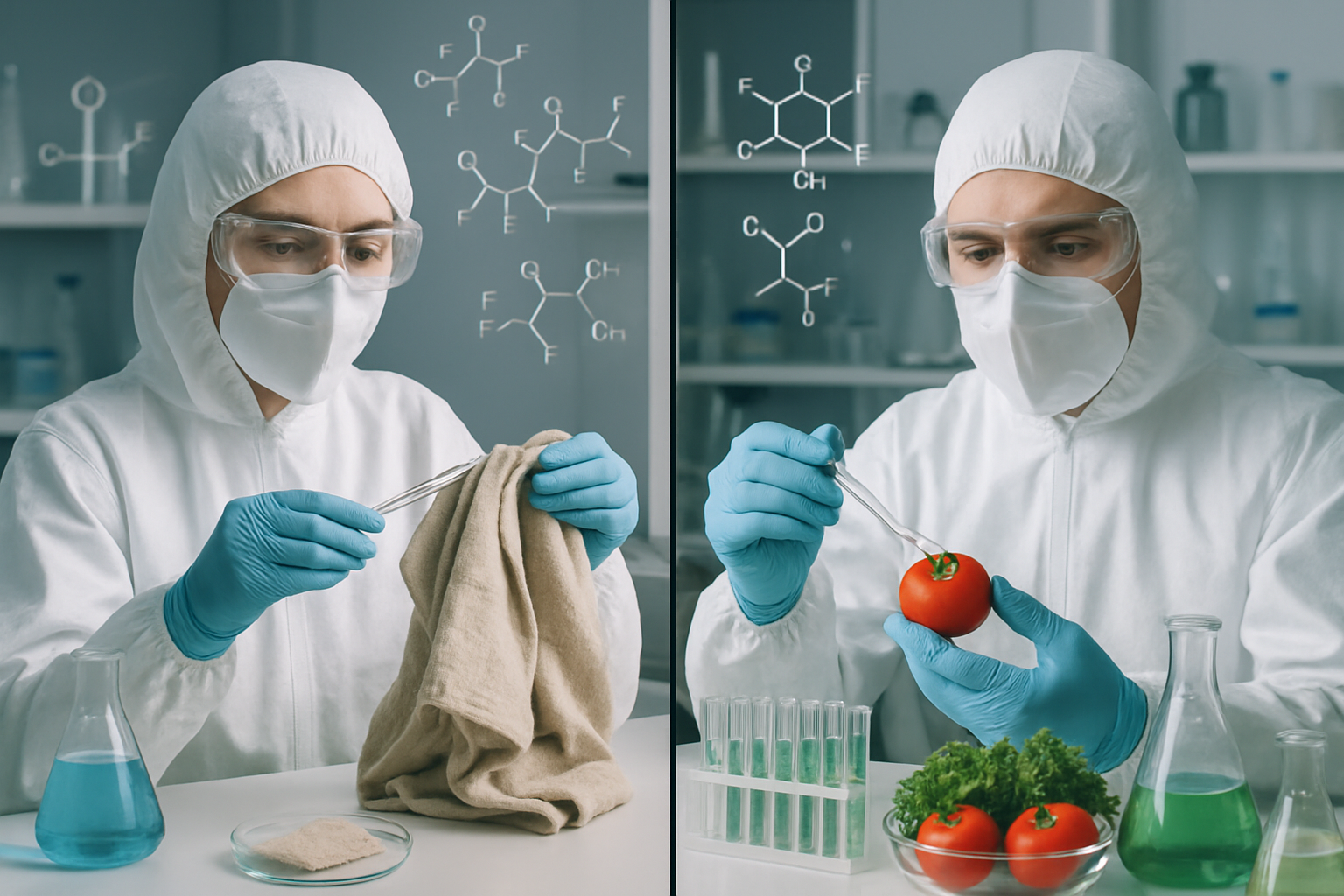
Environmental protection organizations across Europe have exposed alarming levels of toxic chemical contamination in everyday consumer products, with Greenpeace targeting fashion retailer C&A over PFAS-contaminated jackets while foodwatch reveals that 80% of bananas contain illegal pesticide residues, highlighting massive gaps in EU safety regulations.
The dual revelations, published on February 3, 2026, underscore growing concerns about chemical pollution in consumer goods and food supply chains, despite increasing global awareness of environmental protection needs and stricter regulatory frameworks.
PFAS Contamination in Popular Fashion
Greenpeace has launched a high-profile campaign against fashion retailer C&A, demanding transparency over what the environmental organization describes as PFAS-contaminated "Iconic Puffer" jackets. The German-based environmental group is calling for the immediate publication of the company's internal laboratory results and the recall of affected products.
PFAS (per- and polyfluoroalkyl substances), commonly known as "forever chemicals," are synthetic compounds that persist in the environment and human body for extended periods. These chemicals have been linked to various health issues including cancer, liver damage, and immune system disruption.
According to Greenpeace's investigation, C&A has refused to disclose its own laboratory findings regarding PFAS contamination levels in its popular jacket line, raising questions about corporate transparency in environmental safety matters.
"The corporation is remaining silent about laboratory results while consumers unknowingly purchase potentially contaminated products,"
— Greenpeace Spokesperson
This case reflects a broader pattern of PFAS contamination in textiles globally. Earlier this year, the UK government unveiled its first comprehensive plan to tackle "forever chemicals" in drinking water, acknowledging the widespread environmental presence of these persistent synthetic compounds.
Widespread Pesticide Contamination in Food Supply
Simultaneously, foodwatch, a prominent European consumer advocacy organization, released findings showing that 80% of banana samples contained residues of pesticides banned within the European Union. The organization's report reveals "massive gaps in EU protection" against harmful chemical contamination in imported food products.
The foodwatch investigation demonstrates what the organization calls a "toxic boomerang" effect, where chemical substances banned for use within EU territories continue to contaminate imported food through international supply chains. This regulatory loophole allows potentially dangerous pesticides to reach European consumers despite domestic prohibition.
The banana contamination findings are particularly concerning given the fruit's status as one of the world's most consumed foods and its popularity as a healthy dietary staple. The presence of banned pesticide residues raises questions about the effectiveness of current import inspection systems and international food safety coordination.
Regulatory Gaps and Consumer Protection
Both investigations highlight critical weaknesses in current environmental protection and consumer safety frameworks. While the EU has implemented some of the world's most stringent chemical regulations, enforcement and monitoring of both domestic products and imports appear insufficient to protect consumers from toxic exposure.
The PFAS contamination issue extends beyond individual companies, representing a systemic problem in the textile industry. These chemicals are commonly used in outdoor clothing for their water-resistant and stain-resistant properties, making detection and elimination particularly challenging for manufacturers and regulators.
Similarly, the pesticide contamination in bananas reflects broader challenges in global food supply chain management. Countries with less stringent pesticide regulations continue to export products to markets with higher safety standards, creating regulatory arbitrage that potentially compromises consumer health.
Environmental Health Implications
The dual contamination issues emerge against a backdrop of escalating environmental challenges. January 2026 was recorded as the hottest month on record, with 18 of the past 19 months exceeding 1.5°C above pre-industrial levels, demonstrating the acceleration of climate change impacts despite natural cooling cycles.
Chemical contamination compounds these environmental stresses by introducing persistent pollutants into ecosystems already under pressure from climate change. PFAS chemicals, in particular, accumulate in water systems and soil, creating long-term environmental burdens that may persist for decades or centuries.
The convergence of climate change and chemical pollution creates what environmental scientists describe as a "double burden" on both human health and ecosystem integrity. As temperatures rise and weather patterns become more extreme, the transport and concentration of toxic chemicals in the environment may accelerate.
Corporate Responsibility and Transparency
The C&A case specifically raises questions about corporate environmental responsibility in the fashion industry. Greenpeace's demand for laboratory result disclosure reflects growing pressure on companies to provide transparency about chemical testing and contamination levels in their products.
The fashion industry has faced increasing scrutiny over environmental impacts, including water pollution from textile dyeing, microplastic shedding, and now chemical contamination from manufacturing processes. Major brands have implemented sustainability commitments, but enforcement and verification remain challenging.
Consumer advocacy organizations argue that companies must take proactive responsibility for chemical testing throughout their supply chains, rather than relying solely on regulatory compliance, which may lag behind emerging scientific understanding of chemical risks.
International Coordination Challenges
Both contamination cases demonstrate the need for enhanced international coordination in environmental protection and chemical regulation. The global nature of supply chains means that regulatory gaps in any country can affect consumer safety worldwide.
The banana pesticide issue particularly illustrates how chemical regulations must be harmonized across international boundaries to be effective. Current systems allow chemical substances banned in importing countries to be used in exporting nations, creating regulatory inconsistencies that compromise global food safety.
Environmental protection initiatives increasingly require multinational coordination, as individual countries cannot effectively address contamination that originates beyond their borders. This challenge is evident in ongoing discussions about critical materials supply chains, where environmental concerns must be balanced with economic and security considerations.
Consumer Response and Protection Measures
As awareness of chemical contamination grows, consumers are demanding greater transparency and safety assurance from both manufacturers and regulators. Environmental organizations recommend that consumers research product safety information and support companies that provide comprehensive chemical testing results.
For food products, expert recommendations include choosing organic produce when possible, washing fruits and vegetables thoroughly, and supporting retailers that implement rigorous supplier testing programs. However, systematic solutions require regulatory reform rather than individual consumer action alone.
The dual revelations underscore the importance of continued environmental monitoring and advocacy by organizations like Greenpeace and foodwatch, whose independent testing often reveals contamination that routine regulatory inspections might miss.
Looking Forward: Reform and Prevention
These contamination cases occur as environmental protection initiatives gain momentum globally. The UK's comprehensive plan to address PFAS contamination in drinking water demonstrates that governments are beginning to recognize the scope of chemical pollution challenges.
However, the persistence of contamination in consumer products suggests that current regulatory frameworks require substantial strengthening. This includes enhanced pre-market testing requirements, improved supply chain transparency, and stricter enforcement of existing chemical safety regulations.
The convergence of climate change pressures with chemical contamination challenges demands integrated environmental protection approaches that address both issues simultaneously. As global temperatures continue to rise and environmental stresses intensify, the need for comprehensive chemical safety measures becomes increasingly urgent.
Environmental organizations continue to play a crucial role in exposing contamination that might otherwise go undetected, serving as watchdogs for consumer safety and environmental protection in an increasingly complex global marketplace.