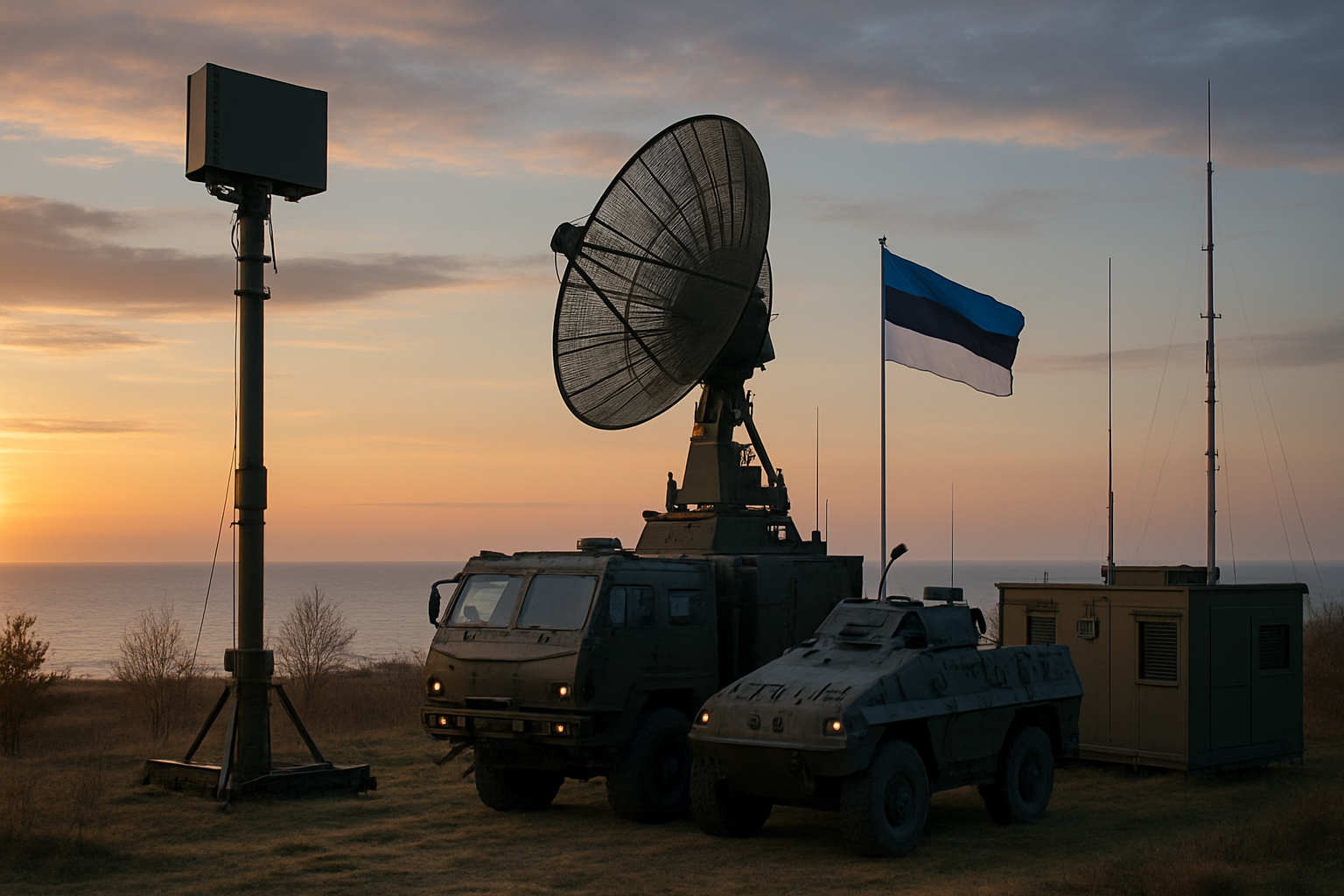
Estonian Defense Forces announced Tuesday morning that an air threat involving multiple drone incursions had passed after Ukrainian military drones strayed into Estonian airspace during overnight operations targeting Russian Baltic Sea facilities.
The incidents, which occurred early Tuesday March 31, prompted widespread air defense alerts across most of Estonia before authorities confirmed the threat had been neutralized. Estonian Defense Forces Colonel Uku Arold told ERR that several Ukrainian drones apparently went off course during continued attacks on Russia's Baltic coastal areas, inadvertently entering Estonian territory.
Regional Pattern of Drone Incidents
The Estonian airspace violations are part of a broader pattern affecting the entire Baltic region as Ukraine intensifies its strategic campaign against Russian energy infrastructure. Similar incidents have been reported across neighboring countries, with up to 30 ships currently anchored in Estonia's economic zone near Juminda and Loksa, unable to reach Russian ports following Ukrainian strikes on the Ust-Luga and Primorsk facilities.
Recent weeks have seen Ukrainian forces successfully target multiple Russian energy export terminals, including three separate attacks on the strategically vital Ust-Luga port facility in Leningrad region. The terminal, which handles 700,000 barrels per day, has suffered repeated damage as Ukraine employs enhanced deep-strike capabilities exceeding 1,000 kilometers range.
"Ukraine has evolved from aid recipient to security provider, demonstrating remarkable operational capabilities that affect regional security calculations across the Baltic Sea."
— Estonian Defense Analysis
Historical Context of Baltic Security
Estonia's rapid response to the drone incidents reflects lessons learned from previous airspace violations in the region. In March 2026, Russian drones struck Estonia's Auvere power station and crashed in Latvia's Krāslava region, marking the most serious Baltic security breach since NATO expansion. Those incidents, linked to systematic Russian provocations, demonstrated the vulnerability of regional airspace to spillover effects from the ongoing Ukraine conflict.
The current incidents differ significantly as they involve Ukrainian rather than Russian aircraft, highlighting the complex operational challenges facing Baltic nations as they navigate between supporting Ukraine's legitimate defense efforts and protecting their own territorial sovereignty. Estonian officials have maintained careful diplomatic balance, recognizing Ukraine's right to self-defense while ensuring Estonian airspace remains secure.
Enhanced Baltic Cooperation
The drone incidents occur against the backdrop of unprecedented Baltic states cooperation through the NATO Arctic Sentry mission, which has enhanced intelligence sharing, satellite surveillance, and maritime patrols across the region. Lithuania's intelligence services have warned that Russia could be ready for "limited military conflict" within 3-5 years, making regional coordination increasingly critical.
Estonia has emerged as a regional leader in defense technology, hosting the first HIMARS maintenance center in the Baltic region through a €10 million partnership with Lockheed Martin. The facility enables rapid repair and maintenance without transport to distant locations, improving operational readiness for NATO allies throughout the region.
Energy Infrastructure Vulnerabilities
The targeting of Russian energy infrastructure has exposed both the effectiveness of Ukrainian operations and the vulnerabilities of regional energy security. Estonia, which maintains 88% renewable electricity generation and operates continental Europe's largest battery storage facility, represents a model of energy independence that other Baltic nations are working to emulate.
The successful Ukrainian strikes have stranded dozens of Russian shadow fleet tankers in the Gulf of Finland, disrupting approximately 40% of Russian energy exports through Baltic routes. This economic warfare dimension demonstrates how regional conflicts increasingly transcend traditional geographic boundaries, affecting maritime traffic, energy security, and air safety across multiple nations.
NATO Response Framework
Estonian defense officials are coordinating closely with NATO allies to develop comprehensive response protocols for cross-border drone incidents. The alliance has recognized the need for sophisticated frameworks addressing situations where friendly forces' operations may inadvertently affect allied territories during legitimate defense operations.
The incidents highlight the evolution of modern warfare, where precision strikes at extended ranges can have unintended consequences for neighboring countries. NATO's response emphasizes the importance of advanced air defense systems, real-time coordination mechanisms, and clear protocols for distinguishing between hostile and friendly aircraft operating in contested airspace.
Future Security Implications
As Ukraine continues to develop its long-range strike capabilities, Baltic nations are adapting their security postures to address both traditional threats from Russia and the spillover effects of Ukrainian defensive operations. Estonian officials emphasize that while they fully support Ukraine's right to defend itself, ensuring regional airspace security remains paramount.
The resolution of these incidents without casualties or significant disruption demonstrates the effectiveness of enhanced Baltic cooperation and improved early warning systems. However, defense analysts warn that the frequency of such incidents may increase as military operations intensify, requiring continued vigilance and diplomatic coordination.
Estonia's measured response to the drone incursions reflects the delicate balance required in supporting Ukrainian defense efforts while maintaining regional stability. As the conflict continues to evolve, the Baltic states' experience in managing these complex security challenges provides valuable lessons for other nations facing similar situations in an increasingly interconnected world where regional conflicts have global implications.