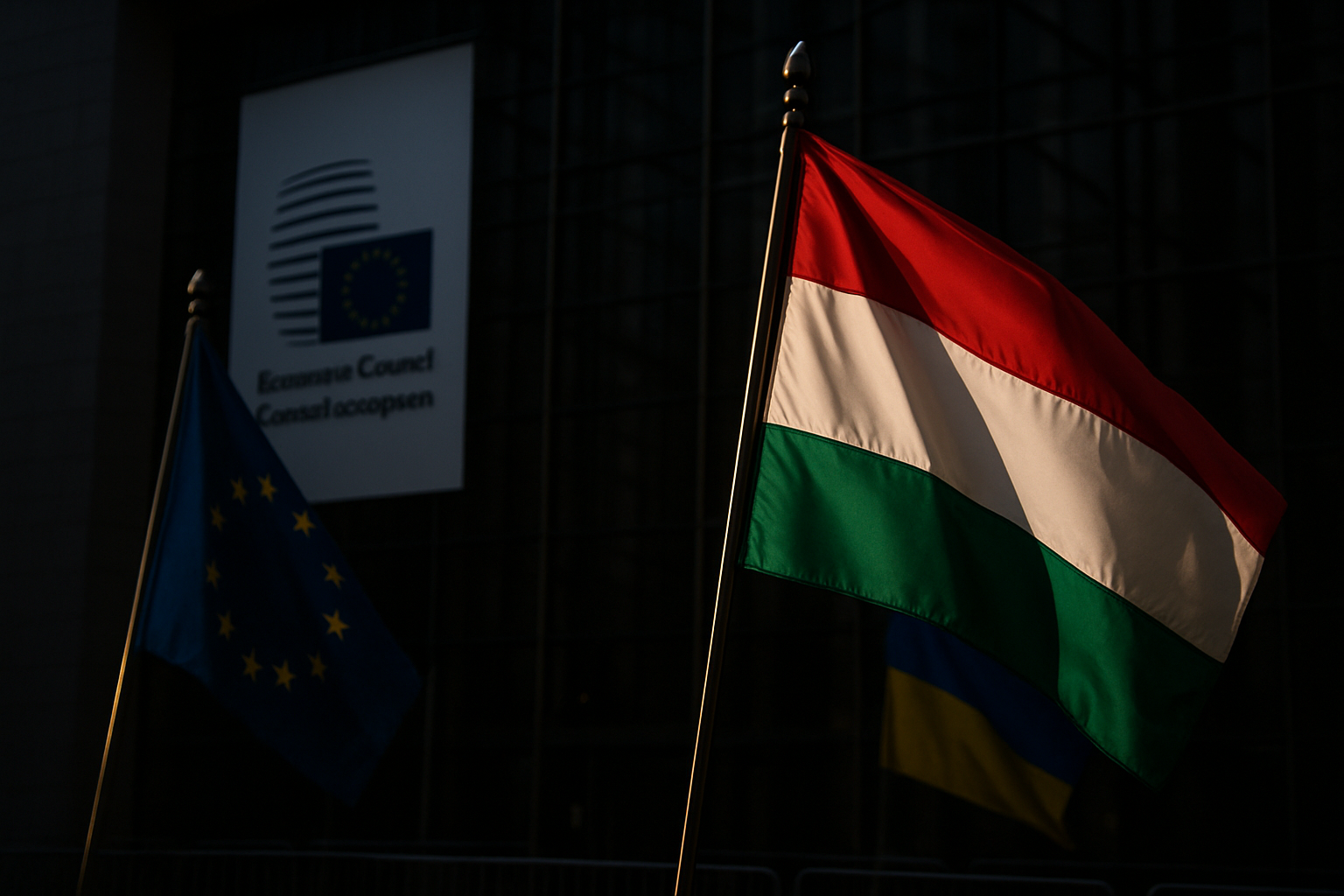
EU member state ambassadors have approved the landmark €90 billion loan package for Ukraine after Hungary lifted its months-long veto, following the completion of repairs to the Druzhba oil pipeline that had been offline since January.
The approval came on Wednesday after the Cypriot EU presidency announced that EU ambassadors had greenlit both the massive financial aid package and the 20th sanctions package against Russia. The decision ends one of the deepest institutional crises in EU history, with Hungary having blocked the largest single-nation assistance package ever provided by the European Union.
Pipeline Crisis Resolution Unlocks Aid
The breakthrough came after Ukraine completed repairs to the Druzhba pipeline, which had been damaged by Russian strikes in January 2026. Ukraine confirmed that oil deliveries through the pipeline to Hungary and Slovakia were set to resume, potentially as early as 12:30 local time on Wednesday.
Hungarian Foreign Minister Péter Szijjártó had maintained that Hungary would only lift its veto once Russian oil transit through the pipeline resumed. Slovakia had similarly blocked the package, with both countries being the only EU member states still dependent on Russian oil under special sanctions exemptions.
According to Norwegian public broadcaster NRK, Slovakia had declared an oil emergency and deployed 250,000 tons of strategic reserves during the pipeline outage. Both nations had accused Ukraine of deliberately delaying repairs as "political blackmail," allegations that Kyiv consistently denied.
Months of Unprecedented EU Crisis
The crisis had created the deepest institutional divisions within the European Union since Russia's full-scale invasion of Ukraine began in February 2022. Despite the European Parliament approving the aid package by a vote of 458-140-44, Hungary's veto power under EU unanimity requirements had blocked implementation for months.
Lithuanian Foreign Minister Kestutis Budrys had warned that "the EU cannot become Budapest's hostage," while the crisis accelerated discussions about enhanced cooperation mechanisms that would allow member states to bypass unanimity requirements in exceptional circumstances.
"This represents the most significant test of European unity since the conflict began."
— EU diplomatic source
Historic Financial Package Details
The €90 billion loan represents the largest financial assistance package ever provided by the EU to a single nation, covering Ukraine's defense procurement and civilian reconstruction needs for 2026-2027. The package comes as Ukraine faces massive reconstruction costs estimated at $831 billion over the coming decade.
The approval also unlocks the EU's 20th sanctions package against Russia, which includes comprehensive maritime service bans on Russian crude oil exports, targeting insurance, maintenance, port access, and technical support services.
Slovakia, Czech Republic, and Hungary had refused to participate in financing the loan despite broad European support, highlighting persistent East-West divisions within the bloc over burden-sharing and sanctions policy.
Energy Weaponization During Crisis
The pipeline dispute had taken on humanitarian dimensions during the harsh winter months. Over 1,170 buildings in Kyiv lacked adequate heating following Russian energy infrastructure attacks, with more than 17.8 million Ukrainians accessing winter support programs.
Slovak Prime Minister Robert Fico had threatened to cut electricity supplies to Ukraine unless oil transit resumed, while Hungary indicated it might halt gas deliveries. These threats highlighted how energy interdependence had become weaponized during the crisis.
Broader Implications for EU Governance
The resolution of this crisis carries significant implications for European integration and decision-making mechanisms. The episode demonstrated both the vulnerabilities of unanimity requirements in crisis situations and the EU's ultimate ability to find solutions through diplomatic pressure and compromise.
European Council President António Costa had issued an unprecedented direct letter to Budapest demanding Hungary honor its commitments, reflecting the severity with which EU leadership viewed the blockade.
Ukraine's Strategic Evolution
Throughout the crisis, Ukraine has evolved from solely being an aid recipient to becoming a security provider in other regions. Ukrainian military experts have been deployed to UAE, Qatar, Jordan, Bahrain, and Kuwait to share expertise in combating Iranian Shahed drones—the same weapons systems that have devastated Ukrainian infrastructure.
This strategic pivot demonstrates how battlefield experience has created new diplomatic leverage and international partnerships for Ukraine, potentially strengthening its position in future negotiations.
Nuclear Governance Context
The aid package approval comes against the backdrop of an unprecedented nuclear governance crisis, with the New START treaty having expired on February 5, 2026—marking the first time in over 50 years without US-Russia nuclear constraints. Both superpowers control approximately 80% of global nuclear weapons, creating what UN Secretary-General António Guterres has called a "grave turning point."
Path Forward
With the immediate crisis resolved, attention now turns to the implementation of the aid package and whether this episode will lead to lasting changes in EU decision-making procedures. The crisis has accelerated discussions about enhanced cooperation mechanisms that would allow willing member states to proceed with collective action even when unanimity cannot be achieved.
The successful resolution also preserves diplomatic momentum for potential peace negotiations, though trilateral talks between Ukraine, Russia, and the United States remain suspended due to the ongoing Iran crisis consuming American foreign policy attention.
As Europe's deadliest conflict since World War II continues, the approval of this historic aid package represents both a test of European unity and a demonstration of the bloc's capacity to overcome internal divisions in support of fundamental principles of territorial sovereignty and international law.