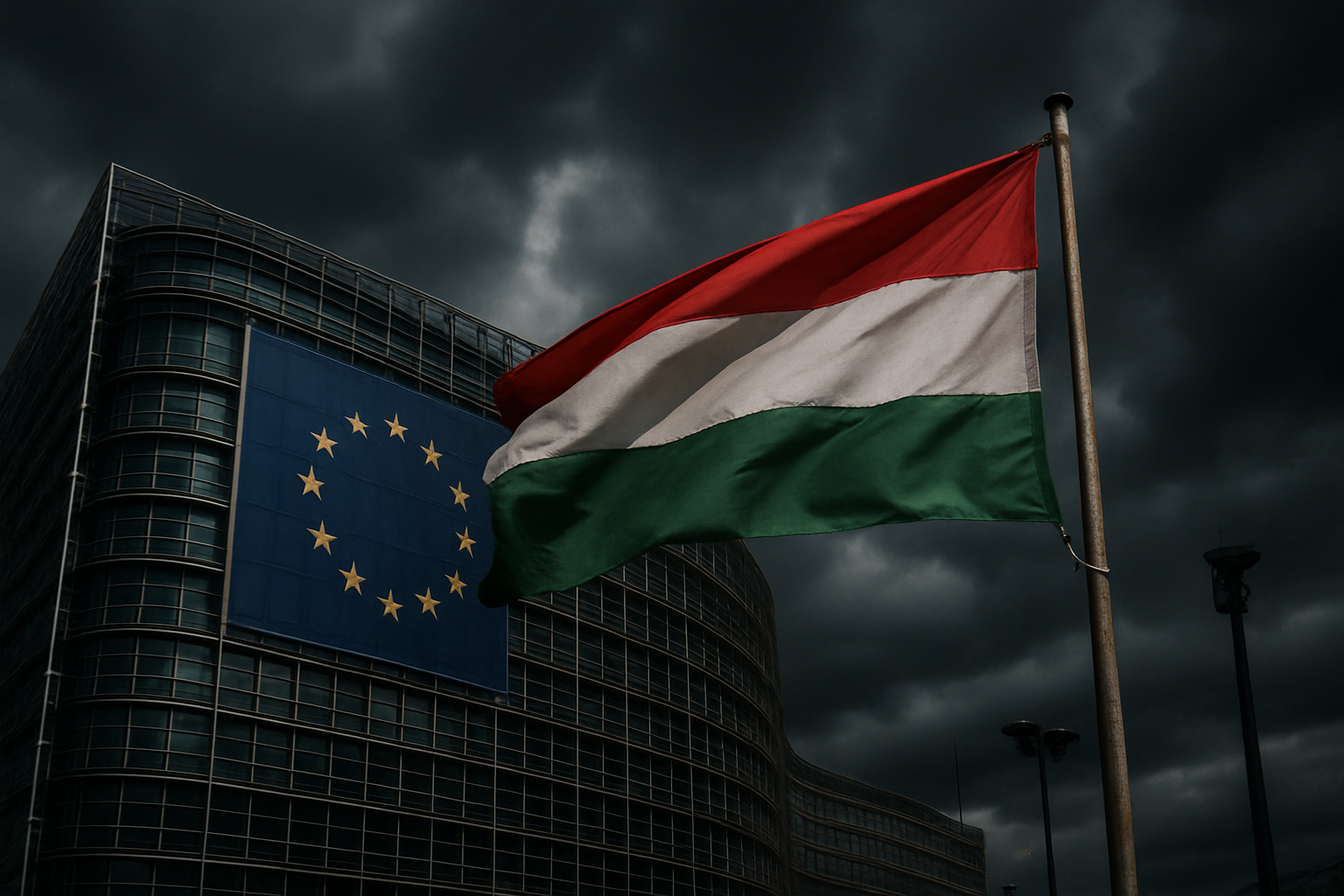
The European Union has taken the unprecedented step of restricting Hungary's access to classified intelligence materials following explosive allegations that Hungarian Foreign Minister Péter Szijjártó systematically leaked confidential EU Council information to his Russian counterpart, Sergei Lavrov.
The decision represents the most severe breach of trust between Brussels and a member state in the EU's modern history, with several European leaders acknowledging they had suspected such intelligence leaks "for some time." The restrictions come as Hungary under Prime Minister Viktor Orbán faces mounting pressure over its increasingly pro-Moscow stance amid the ongoing war in Ukraine.
Systematic Intelligence Sharing Alleged
According to a report by the Washington Post published over the weekend, Szijjártó regularly called Russian Foreign Minister Sergei Lavrov during breaks in EU meetings to provide "direct reports on what was discussed" and suggest possible courses of action for Moscow. The allegations detail a pattern of behavior that would constitute one of the most significant intelligence breaches in EU history.
"The Hungarian foreign minister leaked EU Council details to his Russian counterpart during official meetings."
— France 24 International Report
The timing of these alleged communications is particularly sensitive, occurring during critical EU deliberations on sanctions packages, military aid to Ukraine, and strategic responses to Russian aggression. German media reports indicate that Brussels and Berlin have expressed "deep concern" over the allegations, with Hungary vehemently denying the accusations.
Historical Context of EU-Hungary Tensions
This intelligence crisis represents the culmination of years of escalating tensions between Brussels and Budapest. Hungary has consistently blocked EU sanctions packages and aid to Ukraine, most recently maintaining a veto over the historic €90 billion loan package for Ukrainian defense and reconstruction over the Druzhba pipeline dispute.
Throughout 2026, Orbán has systematically obstructed European unity efforts, with Lithuanian Foreign Minister Kestutis Budrys warning that "the EU cannot become Budapest's hostage." The intelligence restrictions represent Brussels' most direct response to Hungarian obstruction tactics that have undermined collective European security efforts.
Electoral Vulnerability and International Support
The intelligence revelations come as Orbán faces unprecedented electoral vulnerability ahead of the April 12, 2026 parliamentary elections. For the first time since 2010, his Fidesz party trails opposition coalitions in polling, creating domestic pressure that may be influencing his international positioning.
Despite European isolation, Hungary has maintained strong support from the Trump administration. US Secretary of State Marco Rubio's February visit to Budapest included explicit endorsements, with Rubio declaring Trump was "profoundly attached to your success" and "your victory is our victory" - representing unprecedented American interference in EU member state elections.
Impact on European Security Architecture
The restriction of classified intelligence sharing with Hungary has profound implications for European security cooperation. As EU leaders gather around increasing concerns about authoritarian pressure within democratic institutions, the Hungarian case represents a test of whether the bloc can maintain security integrity while preserving member state sovereignty principles.
The crisis occurs amid broader challenges to European unity, including ongoing debates over enhanced cooperation mechanisms that would allow the majority of member states to proceed without unanimous consent. The nuclear governance crisis following New START treaty expiration in February 2026 has added urgency to maintaining effective European security coordination.
Broader Implications for Democratic Governance
Intelligence experts view the Hungarian situation as part of a broader pattern of authoritarian pressure on democratic institutions. The alleged intelligence sharing represents not just a bilateral EU-Hungary issue, but a fundamental challenge to the integrity of multilateral security cooperation in an era of increasing great power competition.
The European response will likely influence how other international organizations handle similar challenges to institutional integrity. Success in maintaining security while addressing the Hungarian situation could provide templates for managing authoritarian pressures within democratic frameworks.
Future of EU-Hungary Relations
The outcome of Hungary's April 12 elections may prove decisive for resolving the intelligence crisis. Opposition victory could lead to immediate restoration of normal EU relations and lifting of intelligence restrictions. However, continued Fidesz control would likely entrench the current crisis and accelerate enhanced cooperation mechanisms that fundamentally alter EU decision-making structures.
European Council President António Costa's unprecedented direct letter to Budapest demanding Hungary honor its commitments represents the seriousness with which Brussels views the situation. The intelligence restrictions, combined with ongoing disputes over Ukraine aid and sanctions, suggest a fundamental reassessment of Hungary's role within European security architecture.
As European leaders confront the most challenging security environment since World War II, the Hungarian intelligence crisis tests whether democratic institutions can adapt to 21st-century threats while preserving the principles of collective action and mutual trust that underpin European integration.