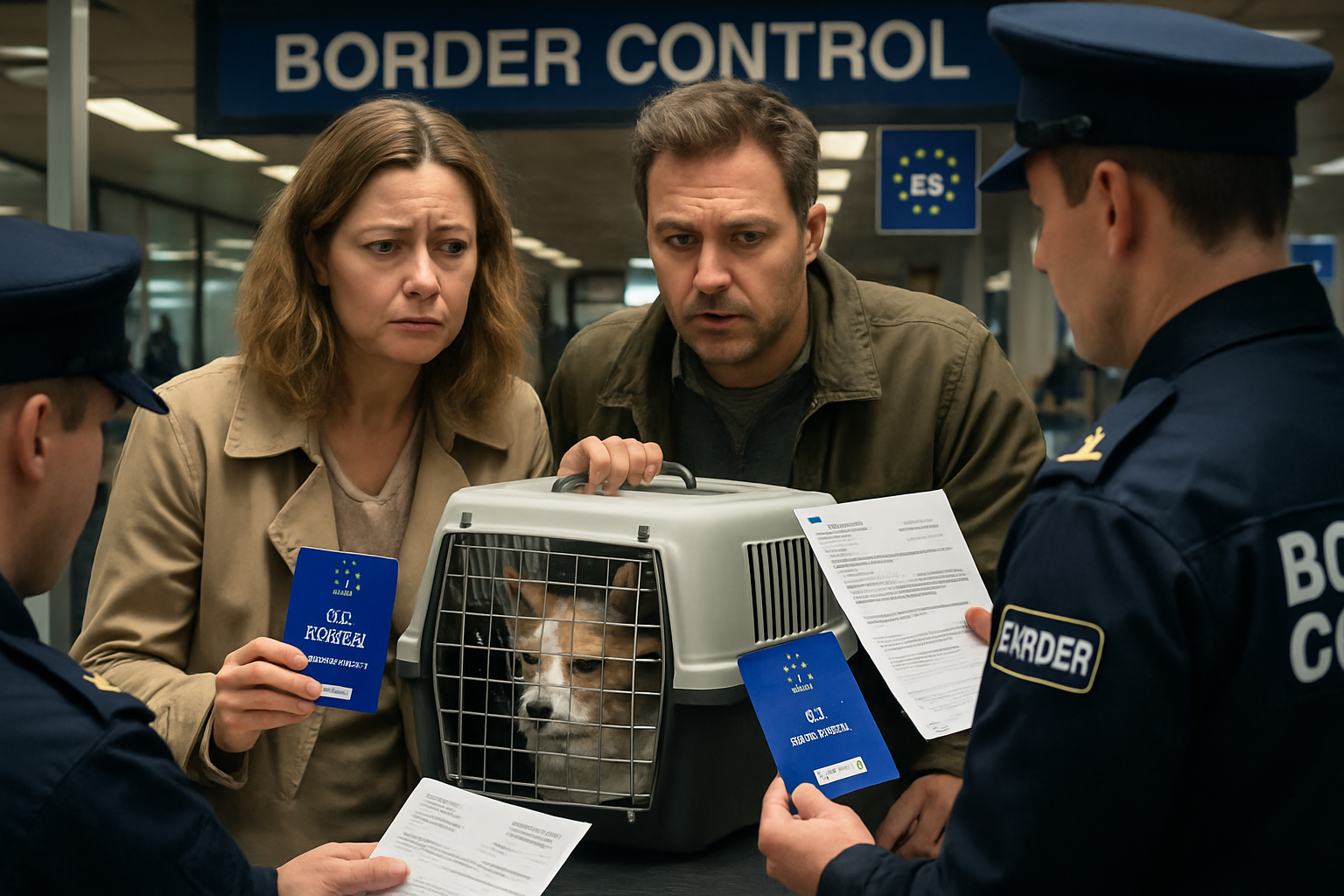
The European Union has moved to tighten rules on pet passports, closing a crucial loophole that has been extensively used by many British second-home owners since Brexit, creating new barriers for travelers bringing pets to European countries and significantly affecting cross-channel tourism patterns.
The rule changes, implemented across multiple EU member states simultaneously, represent the most significant alteration to European pet travel regulations since the United Kingdom's departure from the European Union. The modifications directly impact British travelers who have maintained European holiday properties or frequently travel with pets to continental destinations.
The Brexit Loophole That EU Authorities Closed
Since Britain's exit from the European Union, British pet owners have exploited a regulatory gap that allowed them to obtain European pet passports through various indirect means. This system enabled continued easier travel with dogs, cats, and ferrets between Spain, France, Germany, Italy, and the UK without the full post-Brexit documentation requirements that were intended to apply to third-country nationals.
The loophole particularly benefited British second-home owners across popular destinations in Spain's Costa del Sol, France's Dordogne region, Italy's Tuscany, and other areas with significant British expatriate communities. These travelers could avoid the more complex Animal Health Certificate procedures required for non-EU pet travel by maintaining technical EU pet passport status through various arrangements.
New Regulations Create Comprehensive Barriers
The tightened regulations now require all British travelers to follow the complete third-country procedures when bringing pets to European Union territories. This includes obtaining Animal Health Certificates from authorized UK veterinarians, ensuring all vaccinations meet current EU standards, and completing additional health screenings that can take several weeks to process.
According to European sources, the changes affect travel between Spain and the UK for dogs, cats, and ferrets, but the regulations extend across all EU member states. German authorities confirmed that British pet owners can no longer bypass the standard non-EU documentation requirements that have theoretically applied since Brexit but were inconsistently enforced.
French officials indicated that the rule changes eliminate confusion about which procedures apply to British travelers, creating uniform enforcement across the European Union's external borders. Italian border authorities expressed that the modifications ensure all third-country nationals, including British citizens, follow identical pet travel protocols.
Impact on British Second-Home Owners
The regulatory changes create particular difficulties for British citizens who divide their time between UK residences and European holiday properties. Previously, these travelers could maintain relatively seamless pet travel arrangements, but the new rules require advance planning and additional veterinary procedures for each border crossing.
British holiday home associations have expressed concerns about the impact on property rental markets, as many families specifically chose European destinations based on the ability to travel easily with pets. The additional costs and complexity may force some British families to reconsider their European travel patterns or potentially divest from continental property investments.
Real estate agents in popular British expatriate areas report that the pet travel restrictions add another layer of post-Brexit complications affecting property values and rental demands. Spain's coastal regions, southern France, and northern Italy – traditional destinations for British second-home ownership – face potential reduced demand from pet-owning families.
Tourism Industry Consequences
The European tourism industry, already adapting to various post-Brexit changes, faces additional challenges as pet-friendly travel becomes more complicated for British visitors. Hotels, vacation rental properties, and tourist attractions that previously marketed specifically to British families with pets must adjust their business models.
Ferry companies operating cross-channel routes have reported increased inquiries about pet travel requirements, with many British travelers expressing confusion about the new documentation standards. The complexity of the updated procedures may reduce spontaneous travel, as pet owners must plan weeks in advance to complete required veterinary certifications.
Tourism boards across popular European destinations acknowledge that simplified pet travel was a competitive advantage in attracting British visitors compared to other international destinations. The new restrictions level the playing field but potentially reduce overall British tourism numbers to European Union countries.
Veterinary and Administrative Challenges
British veterinary practices report increased demand for Animal Health Certificate services, creating appointment backlogs and higher costs for pet owners. The certificates require specific timing related to vaccinations and travel dates, making the process more complex than the previous European pet passport system.
European border control authorities are implementing enhanced training programs to ensure consistent enforcement of the new pet travel regulations. The changes require updated procedures at airports, ferry terminals, and land border crossings between the UK and EU member states.
Animal welfare organizations have expressed concerns that the increased complexity and costs might encourage some travelers to attempt illegal pet transport methods, potentially endangering animal health and undermining legitimate border security measures.
Broader Post-Brexit Travel Evolution
The pet passport changes occur within the broader context of evolving UK-EU travel relations since Brexit. The European Union has systematically closed various regulatory gaps and exceptions that allowed continued quasi-EU treatment for British citizens and businesses in specific sectors.
These modifications complement other recent changes, including the UK's implementation of Electronic Travel Authorization requirements for European visitors and various visa and immigration adjustments that have gradually formalized the post-Brexit relationship between Britain and continental Europe.
The pet travel restrictions demonstrate how Brexit continues to create practical complications years after the initial departure, as both sides adapt their regulatory frameworks to reflect the UK's third-country status under European Union law.
Adaptation Strategies for British Travelers
British pet owners planning European travel must now budget additional time and costs for proper documentation. Veterinary experts recommend starting the certification process at least one month before intended travel dates to ensure all requirements are properly completed.
Some British families are considering alternative strategies, including longer European stays to justify the additional documentation effort, or exploring pet-sitting arrangements that allow travel without bringing animals across international borders.
Professional pet travel services have reported increased business as British owners seek expert assistance navigating the more complex regulatory requirements. These services help ensure proper documentation while minimizing the risk of border delays or refused entry.
The changes represent a permanent shift in UK-EU relations, with both travelers and tourism industries adapting to the reality that Brexit created lasting barriers to the free movement that previously characterized European travel for British citizens and their pets.