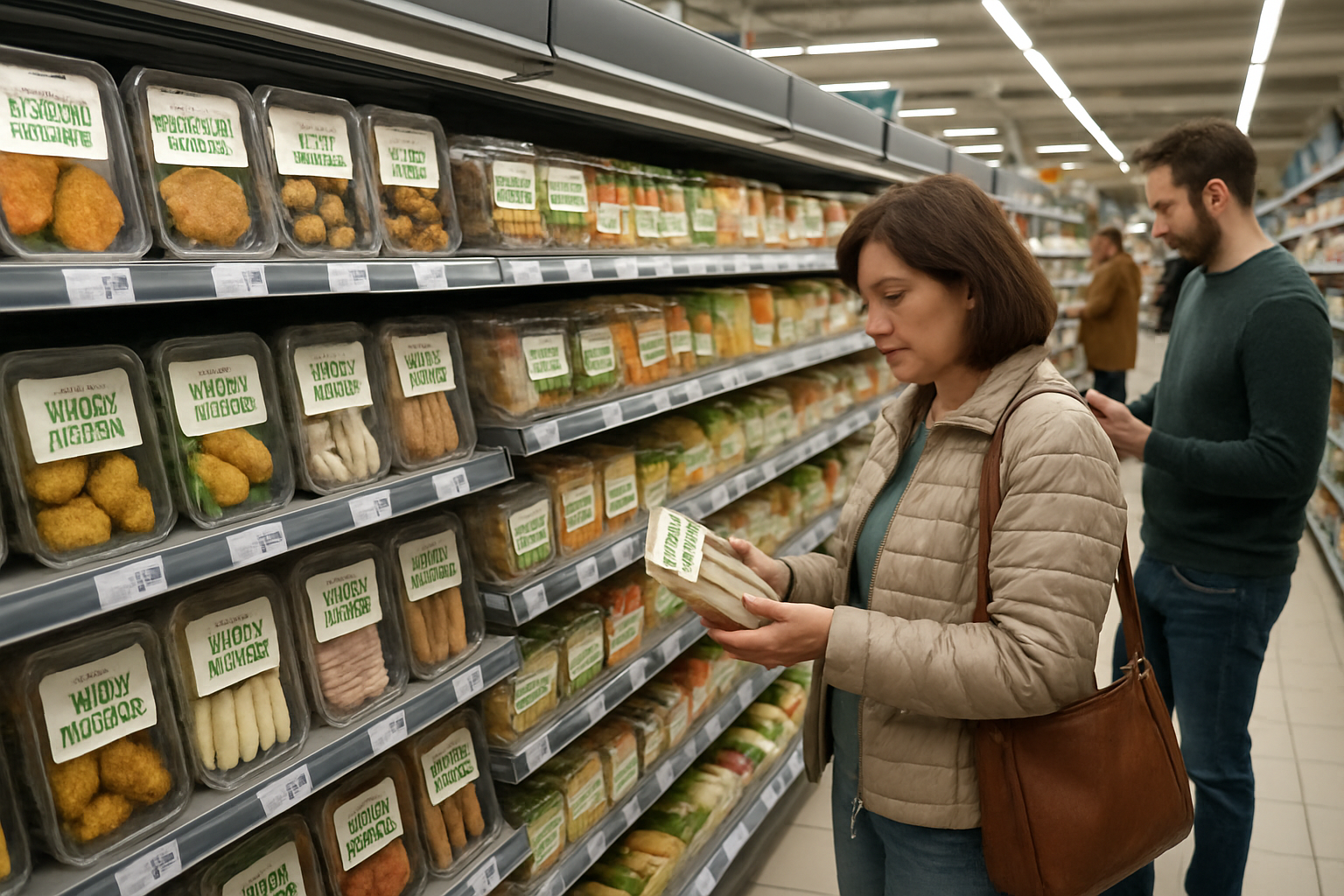
The European Union has delivered a decisive victory for plant-based food producers after member states successfully resisted European Parliament attempts to ban popular product names like "veggie burger" and "tofu sausage," marking the end of a contentious regulatory battle that pitted traditional meat producers against the rapidly growing alternative protein sector.
The conflict reached its conclusion in March 2026 when EU member states firmly rejected the European Parliament's proposed restrictions, which would have prohibited plant-based products from using meat-associated terminology. The Parliament had initially sought to protect traditional meat producers by eliminating what they characterized as "misleading" product names, but the proposal ultimately proved too restrictive for national governments.
Industry Pressure Meets Consumer Reality
The controversy emerged from sustained lobbying by traditional meat industry representatives who argued that terms like "veggie burger" and "soja-wurst" (soy sausage) confused consumers and unfairly benefited from the market recognition built by conventional meat products. These industry groups pressed for legislative protection, claiming plant-based alternatives were inappropriately capitalizing on established meat product categories.
However, EU member states recognized that such restrictions would create unnecessary barriers for both producers and consumers in a market where plant-based alternatives have become increasingly mainstream. The decision reflects growing acceptance that these product names have evolved beyond their original meat-specific meanings to represent distinct food categories in their own right.
Parliamentary Retreat Following Member State Opposition
According to German media reports, the European Parliament's initial enthusiasm for the naming restrictions encountered significant resistance when member states made clear their opposition during the legislative process. The Parliament's proposed ban, which was designed to create a protective regulatory framework for traditional meat terminology, ultimately proved incompatible with the practical realities of modern food markets and consumer preferences.
The retreat by the Parliament demonstrates the continuing influence of member state governments in EU food policy, particularly when national markets have already adapted to product innovations. Slovak sources indicated that European consumers have readily distinguished between plant-based alternatives and conventional meat products, undermining industry arguments about consumer confusion.
Broader Context of Food Policy Evolution
This decision comes against the backdrop of significant transformation in European food policy and consumer behavior. The EU has been grappling with multiple food-related challenges throughout 2026, from addressing the global food and nutrition awareness crisis to implementing new safety regulations and managing supply chain disruptions caused by climate pressures.
The plant-based naming victory coincides with other major European food policy developments, including enhanced food safety protocols responding to climate-related contamination risks and the ongoing debate over ultra-processed food regulations. These interconnected policy discussions reflect the EU's broader effort to balance consumer protection, industry innovation, and environmental sustainability goals.
"The European Parliament wanted to ban terms like veggie burger and soy sausage to protect meat producers. But this went too far for EU member states. Now the Parliament has given in."
— German media analysis, March 2026
Consumer Choice and Market Innovation
The preservation of plant-based naming conventions represents a significant victory for consumer choice and market innovation. Industry observers note that terms like "veggie burger" have become integral to how consumers navigate food choices, particularly as dietary preferences shift toward more sustainable and health-conscious options.
The decision also supports the continued growth of Europe's plant-based food sector, which has experienced substantial expansion as consumers seek alternatives to traditional animal products for health, environmental, and ethical reasons. By maintaining familiar product terminology, the EU has ensured that consumers can continue to easily identify and choose plant-based alternatives without confusion.
International Precedent and Trade Implications
The EU's decision to maintain plant-based naming rights may influence food labeling policies globally, as other jurisdictions observe how European regulators balance industry protection with consumer choice and market innovation. The outcome demonstrates that established consumer understanding can override industry pressure when product categories have achieved widespread market acceptance.
This regulatory approach also aligns with broader EU efforts to support sustainable food systems and reduce environmental impacts associated with traditional livestock agriculture. By avoiding restrictions that could impede plant-based market growth, the EU maintains consistency with its environmental and climate policy objectives.
Implementation and Industry Response
The decision ensures that European consumers will continue to encounter familiar product names when shopping for plant-based alternatives. Industry representatives from both traditional and alternative protein sectors will need to adapt their competitive strategies within this maintained regulatory framework, focusing on product quality and consumer education rather than terminological restrictions.
Food manufacturers have expressed relief that established marketing approaches can continue without disruption, avoiding the significant costs and consumer confusion that would have accompanied mandatory rebranding of popular product lines. Retailers similarly benefit from maintained consistency in product categorization and consumer shopping patterns.
Future of European Food Policy
The plant-based naming victory reflects broader trends in European food policy toward supporting innovation while protecting consumer interests. As the EU continues addressing complex food system challenges including climate adaptation, supply chain resilience, and public health concerns, this decision demonstrates institutional capacity to resist narrow industry pressure when broader consumer and policy interests are at stake.
Looking ahead, the preserved naming rights provide a stable regulatory foundation for continued plant-based sector growth, supporting EU objectives for more sustainable food systems while maintaining the market dynamics that have driven innovation and consumer choice in alternative protein products.
The successful defense of plant-based naming conventions ultimately represents a pragmatic regulatory approach that acknowledges the evolution of food markets and consumer understanding, ensuring that EU food policy keeps pace with changing dietary preferences and market realities rather than constraining them through outdated terminology restrictions.