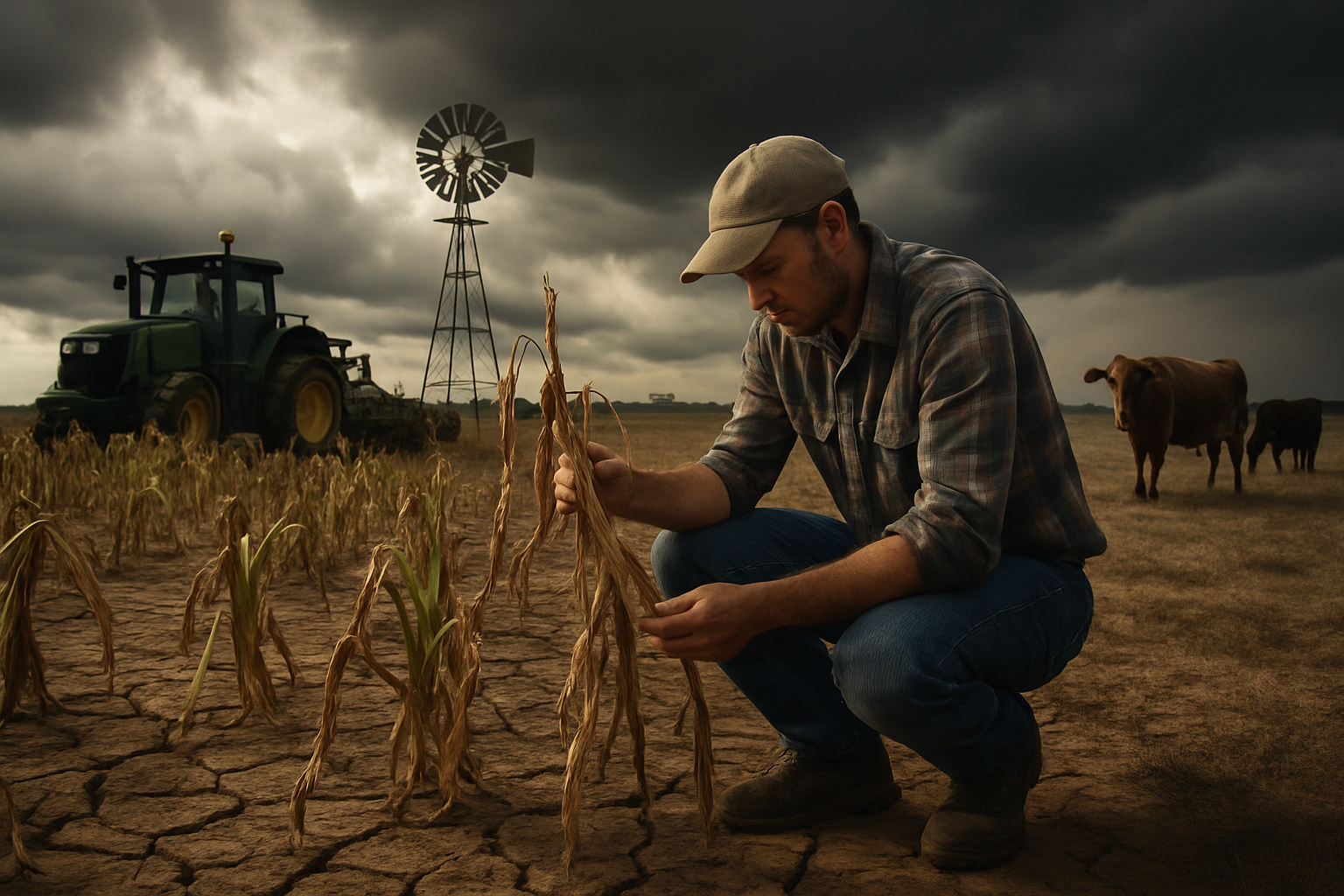
European agriculture faces an unprecedented convergence of regulatory pressures, supply chain disruptions, and climate-induced challenges as Greek livestock representatives prepare for crucial government meetings while Sweden grapples with a severe meat shortage, highlighting systemic vulnerabilities threatening food security across the continent.
The crisis manifesting across Europe's agricultural sector has reached a critical juncture, with Greek livestock farmers seeking urgent government intervention and Swedish meat production facing its most severe shortage in decades. These developments represent broader structural challenges affecting food security from the Mediterranean to Scandinavia, occurring amid the hottest climate conditions on record.
Greece's Livestock Industry Seeks Government Intervention
A delegation of Greek livestock farmers will cross the threshold of the Maximos Mansion today, seeking concrete commitments from Prime Minister Kyriakos Mitsotakis for immediate and implementable solutions to safeguard the industry's future. The meeting represents a crucial moment for Greece's livestock sector, which has faced mounting economic pressures from rising feed costs, regulatory constraints, and climate-related challenges.
The livestock representatives are demanding comprehensive support measures that address both immediate financial pressures and long-term sustainability concerns. Industry sources indicate the delegation will present detailed proposals for emergency assistance, including subsidized feed programs, tax relief measures, and enhanced veterinary support services.
Sweden's Critical Meat Shortage Deepens
Meanwhile, Sweden confronts an acute meat shortage that has forced the country's only beef slaughterhouse in Jämtland to reduce operations significantly. Jämtlandsgården in Hammerdal has been compelled to cut slaughter days as the facility struggles with declining livestock supplies, reflecting broader challenges across Sweden's meat production industry.
"It's noticeable that there's a reduction," confirmed Tobias Andréasson, site manager at Jämtlandsgården, describing the impact of Sweden's dwindling cattle producer population. The facility's operational constraints demonstrate how the country's livestock shortage has cascaded through the entire meat processing chain.
Lars Nathanaelsson, chairman of Jämtland's beef producers association, attributes the current shortage to prolonged periods of poor profitability that have driven cattle farmers from the industry. "Long periods of poor profitability for Sweden's meat farmers have led to the meat shortage we face today," Nathanaelsson explained, highlighting the economic sustainability crisis affecting Swedish livestock operations.
Regional Patterns of Agricultural Distress
The challenges facing Greek and Swedish agriculture are symptomatic of broader European agricultural difficulties. Across the continent, farmers are confronting similar pressures: escalating production costs, climate volatility, supply chain disruptions, and regulatory complexity that collectively threaten traditional farming operations.
Sweden's situation is particularly acute, with slaughterhouses now competing for increasingly scarce livestock as the number of beef producers continues declining. This competitive environment has created additional cost pressures throughout the supply chain, affecting both producers and consumers.
The Greek livestock delegation's approach to government leadership reflects similar patterns across Europe, where agricultural sectors are seeking policy interventions to address systemic challenges that individual operators cannot resolve independently.
Climate and Economic Pressures Converging
These agricultural crises occur during January 2026, which recorded as the hottest month in global history—the 18th consecutive month exceeding 1.5°C above pre-industrial levels. This unprecedented climate pattern has disrupted traditional agricultural cycles, affected animal welfare conditions, and complicated livestock management across European farming operations.
Economic pressures have intensified alongside climate challenges, with energy costs, feed prices, and regulatory compliance expenses creating unsustainable financial burdens for many agricultural operations. The combination has forced many European farmers to reduce operations or exit the industry entirely, as demonstrated by Sweden's declining producer numbers.
Broader Food Security Implications
The simultaneous challenges in Greece and Sweden reflect broader food security vulnerabilities across Europe. Reduced domestic meat production capabilities, as evidenced in Sweden, create increased dependence on imports and expose consumers to international supply chain disruptions and price volatility.
The livestock industry's struggles have implications extending beyond immediate meat production. Dairy operations, leather production, and associated agricultural services all depend on healthy livestock sectors, meaning current challenges could affect multiple segments of agricultural economies.
Industry Adaptation Strategies
Despite significant challenges, some European agricultural sectors are developing innovative responses. These include enhanced efficiency measures, alternative feed sources, improved animal welfare systems, and technology integration to reduce operational costs while maintaining production quality.
The Greek delegation's government engagement represents one approach to addressing systemic challenges through policy solutions. Similar initiatives across Europe seek coordinated responses that individual operators cannot achieve independently, including subsidized support systems, regulatory streamlining, and market stabilization measures.
International Context and Comparisons
Europe's agricultural challenges occur within a global context of food system stress. International agricultural initiatives, from African irrigation rehabilitation projects to Caribbean modernization efforts, demonstrate that food security concerns extend far beyond European borders.
The convergence of climate extremes, economic pressures, and supply chain vulnerabilities has created similar challenges across diverse agricultural systems worldwide, indicating that European experiences may foreshadow broader global agricultural transformation requirements.
Policy Response Requirements
The Greek Prime Minister's meeting with livestock representatives and Sweden's meat shortage crisis highlight the urgent need for comprehensive policy responses that address both immediate challenges and long-term agricultural sustainability. These responses must balance support for traditional farming operations with incentives for innovation and climate adaptation.
Effective policy interventions likely require coordination between national governments, European Union institutions, and international agricultural organizations to address supply chain vulnerabilities, climate adaptation needs, and economic sustainability challenges simultaneously.
The outcomes of Greece's government consultation and Sweden's response to meat shortages may provide templates for addressing similar agricultural challenges across Europe. Success in these cases could demonstrate viable pathways for maintaining food security while supporting farming communities through unprecedented agricultural transition pressures.
As Europe's agricultural sector navigates these complex challenges, the experiences in Greece and Sweden offer critical insights into the policy innovations, industry adaptations, and international cooperation required to maintain food security in an era of climate change and economic uncertainty.