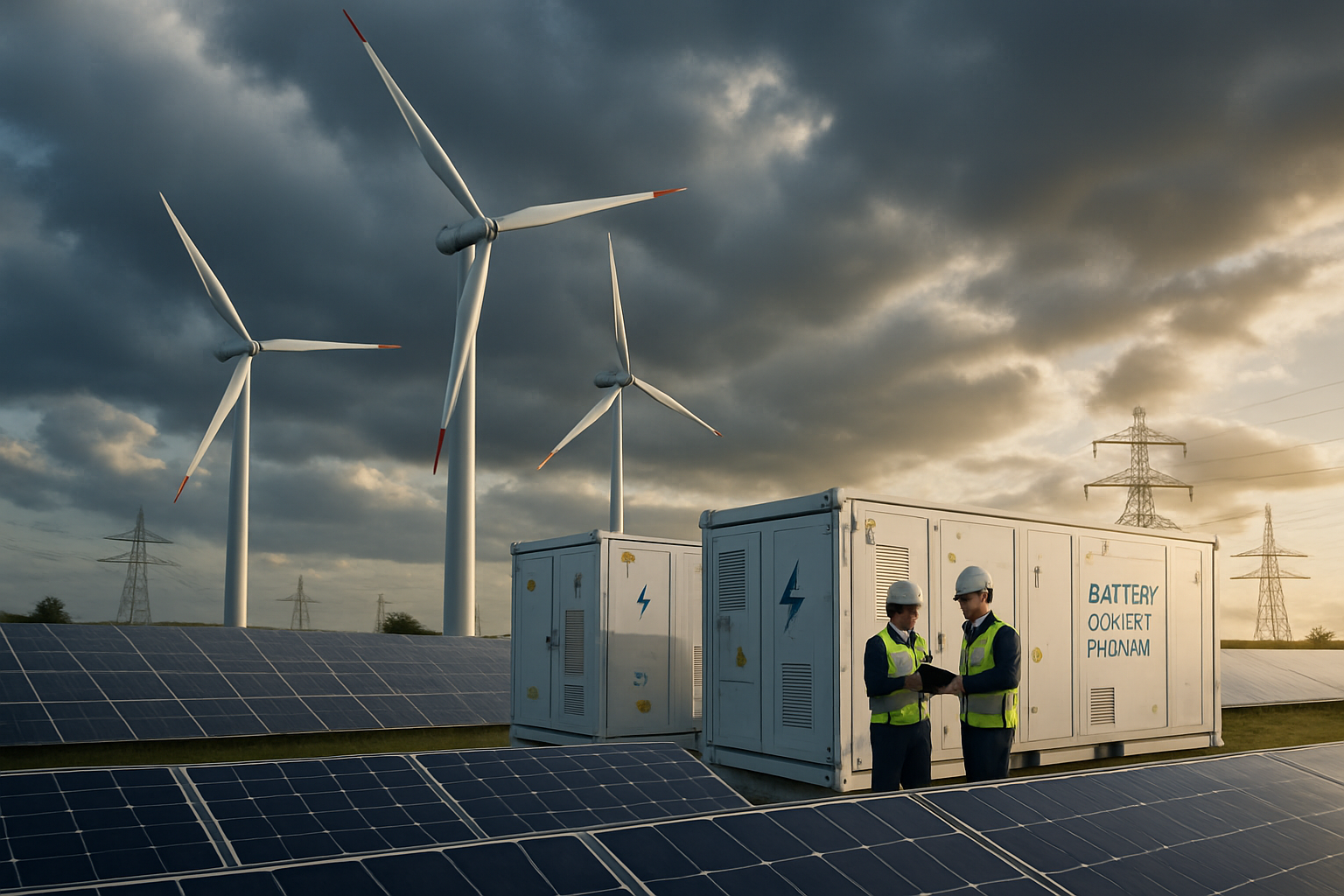
A critical transformation is reshaping Europe's energy landscape as Switzerland's parliament reverses its nuclear ban, Burkina Faso accelerates rural mini-grids, and Finland faces renewable energy financing crises, marking March 2026 as a pivotal moment in the global energy transition.
The convergence of these developments reveals both the urgency and complexity of the worldwide shift away from fossil fuels. As oil prices surge past $100 per barrel amid Middle East conflicts and supply chain disruptions threaten renewable energy deployment, nations are being forced to reconsider fundamental energy strategies that seemed settled just months ago.
Switzerland's Nuclear Reversal Signals European Renaissance
In a dramatic policy shift, Switzerland's upper parliamentary chamber voted 26-12 to overturn the country's 2017 referendum ban on new nuclear power plants. This decision reflects a broader European nuclear renaissance driven by energy security concerns and climate commitments following recent geopolitical crises.
The vote comes as European Commission President Ursula von der Leyen recently declared abandoning nuclear power a "strategic error," announcing EU investment guarantees for nuclear projects. This represents a fundamental shift in European thinking about energy independence, particularly as nations seek alternatives to volatile fossil fuel imports from unstable regions.
"Nuclear provides weather-independent baseload electricity complementing intermittent renewables while addressing grid stability requirements."
— European Energy Policy Expert
The Swiss decision follows similar moves across Europe, including Hungary's €39.1 billion Paks II nuclear construction project, Romania's leadership in small modular reactor technology, and Greece's exploration of nuclear options under PM Mitsotakis's carbon neutrality framework.
Burkina Faso Leads African Rural Electrification
Meanwhile, Burkina Faso is accelerating rural electrification through innovative mini-grid networks, hosting a national validation workshop in Ouagadougou from March 11-13. The initiative focuses on deploying clean mini-grids and mastering dedicated digital platforms as part of Phase 1 of the country's comprehensive rural energy strategy.
This African approach represents a leapfrog technology strategy, bypassing traditional centralized grid infrastructure in favor of distributed renewable energy systems. The mini-grids can provide reliable electricity to rural communities while reducing dependence on fossil fuel imports and creating local employment opportunities.
Finland's Renewable Energy Crisis
Contrasting with these positive developments, Finland faces a severe renewable energy financing crisis as wind power companies struggle with rapidly changing electricity markets. Dozens of wind power companies have entered restructuring proceedings, with market volatility making project financing increasingly difficult.
The crisis highlights the "valley of death" challenge facing renewable energy transitions – the period when massive upfront investments in clean infrastructure must compete against artificially cheap fossil fuels and volatile energy markets.
Lithuania Calls for Industrial Electrification
Lithuania is advocating for accelerated industrial electrification across Europe, arguing it could save the continent up to €250 billion annually while strengthening long-term economic resilience. With Europe spending approximately €380 billion yearly on energy imports and electricity prices several times higher than in the US or China, experts see industrial electrification as crucial for competitiveness.
The strategy involves transitioning industrial processes from fossil fuels to clean electricity, which could dramatically reduce energy costs while supporting climate goals. However, this requires massive infrastructure investment and coordinated policy frameworks across EU member states.
Supply Chain Vulnerabilities Threaten Progress
All these developments occur against the backdrop of critical supply chain vulnerabilities. China controls 60% of global production and 90% of refining capacity for lithium, cobalt, and rare earth elements essential for renewable energy infrastructure. Memory chip prices have increased sixfold, affecting smart grid and renewable control systems until 2027.
The US-EU-Japan Critical Minerals Partnership, involving 55 countries and seven African suppliers, represents an attempt to diversify these dependencies. However, developing alternative supply chains requires years of investment and could face disruption from geopolitical tensions.
Nuclear Technology Innovation
The nuclear renaissance is being driven by technological innovations, particularly small modular reactors (SMRs) featuring factory manufacturing, digital monitoring, and passive safety systems. These technologies promise reduced construction costs and timelines compared to traditional large nuclear facilities.
Estonia, despite achieving 88% renewable electricity and operating continental Europe's largest battery storage facility serving 90,000 households, is still exploring nuclear baseload options due to intermittency challenges. This demonstrates how even renewable leaders recognize the need for diverse clean energy portfolios.
Economic and Geopolitical Pressures
The energy transition is being accelerated by multiple pressures beyond climate concerns. The ongoing Iran crisis has driven oil prices above $100 per barrel for the first time since 2022, while natural gas prices have surged 24% in Europe. These price spikes make renewable energy increasingly competitive while highlighting the risks of fossil fuel dependence.
January 2026 marked the 18th consecutive month of global temperatures exceeding 1.5°C above pre-industrial levels, demonstrating that human-induced climate change is overriding natural variability. This creates additional urgency for rapid clean energy deployment.
Regional Cooperation and Innovation
Success in the energy transition increasingly depends on regional cooperation and technology sharing. The Baltic states are emerging as renewable energy leaders, while Central Asian nations are positioning themselves as clean energy corridors connecting Europe and Asia.
Technology integration has become increasingly sophisticated, with projects incorporating digital monitoring, smart grid management, automated efficiency systems, and predictive maintenance. These capabilities enable precise optimization and improved reliability while managing renewable intermittency challenges.
Implementation Challenges
Despite technological advances and policy momentum, implementation challenges remain significant. Funding sustainability is critical, particularly in developing nations where economic pressures often override environmental considerations. Technical capacity building requires sustained education, training, and institutional investment.
Climate change itself is disrupting project timelines, requiring adaptive management approaches for rapidly evolving conditions. The window for effective climate action is narrowing, but technological advancement and environmental urgency are creating conditions for accelerated change.
Looking Forward
March 2026 represents a critical juncture in global energy policy. The choice between reactive crisis management and proactive energy system transformation may determine whether clean energy deployment can keep pace with accelerating environmental change during this decisive climate action decade.
The convergence of nuclear renaissance, renewable acceleration, and supply chain challenges requires unprecedented international cooperation, technological innovation, and adaptive management. Success depends on balancing immediate energy security needs with long-term sustainability goals while maintaining economic competitiveness and social equity.
As nations navigate these complex tradeoffs, the energy transition is evolving from a climate policy goal into an economic and security imperative. The coming months will test whether international cooperation can overcome supply chain vulnerabilities, financing challenges, and geopolitical tensions to deliver the clean energy future that climate science demands.