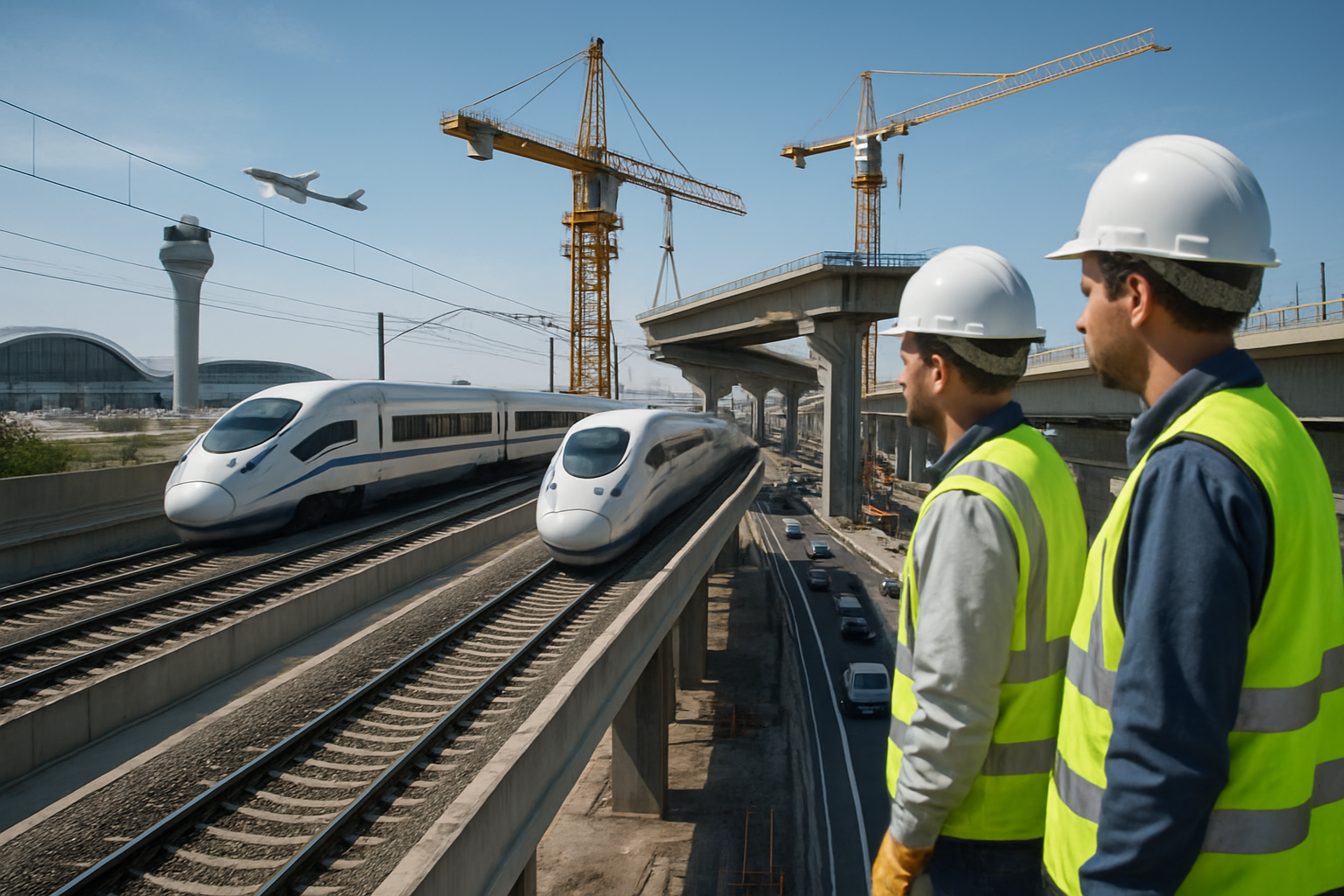
European transportation networks are experiencing significant disruptions as Italy faces coordinated strikes across aviation and railway sectors, while major infrastructure projects advance across the continent despite challenging weather conditions.
Italy Hit by Coordinated Transport Strikes
Italy is bracing for major transportation disruptions as workers in both aviation and railway sectors prepare for coordinated strike action this week. The industrial action began Thursday with aviation workers across the country protesting working conditions and pay disputes, affecting flights at airports nationwide including Rome Fiumicino and Milan Malpensa.
The aviation strike is being followed by railway workers on Friday, who are set to halt train services across Italy's extensive rail network. The coordinated timing of these strikes represents one of the most significant transportation disruptions Italy has faced in recent months, potentially affecting millions of passengers and freight operations.
Transport unions have cited ongoing concerns about working conditions, safety protocols, and wage negotiations as primary drivers behind the industrial action. The strikes come at a particularly challenging time as Italy continues to manage increased passenger volumes following the Milano-Cortina 2026 Winter Olympics.
Portugal's Railway Infrastructure Crisis
Meanwhile, Portugal is dealing with its own transportation challenges as the Linha do Oeste railway line faces an extended closure until the end of the year. This closure represents a significant blow to regional connectivity, affecting commuters and freight services along one of the country's important railway corridors.
The extended closure is part of broader infrastructure maintenance and upgrade work taking place across Portugal's transportation network. The country has been investing heavily in railway modernization as part of European Union connectivity initiatives, but the extended timeline highlights the complex challenges of maintaining aging infrastructure while implementing necessary improvements.
Sweden Advances Major Highway Project
In contrast to the strike-related disruptions elsewhere, Sweden is pushing forward with ambitious infrastructure development. The second phase of major roadwork on the E4 highway between Huskvarna and Gränna is set to begin after Easter, representing a significant investment in the country's transportation backbone.
Swedish authorities have warned motorists to prepare for substantial traffic disruptions as the project advances. The E4 highway is one of Sweden's most critical transportation arteries, connecting major population centers and serving as a vital commercial route. The reconstruction project incorporates modern engineering standards designed to improve safety, capacity, and climate resilience.
The timing of the project reflects Sweden's commitment to infrastructure modernization despite the logistical challenges posed by ongoing extreme weather conditions across Europe. The country's approach demonstrates how nations can maintain development momentum even during challenging circumstances.
Broader European Infrastructure Context
These developments occur within the context of Europe's unprecedented €570+ billion infrastructure investment surge, which has been accelerating despite recent weather-related challenges. The continent has experienced a series of major storms in February 2026, including Storms Kristin, Leonardo, and Marta, which have tested transportation networks and highlighted the need for climate-resilient infrastructure.
Portugal, in particular, has been managing the aftermath of severe weather that damaged critical infrastructure, including the collapse of an A1 highway viaduct near Coimbra. These incidents have underscored the importance of building transportation networks that can withstand increasingly volatile weather patterns.
Labor Relations and Infrastructure Modernization
The strikes in Italy reflect broader tensions across European transportation sectors as workers adapt to changing industry conditions. The coordination between aviation and railway workers demonstrates the interconnected nature of modern transportation networks and the potential for cascading disruptions when multiple sectors are affected simultaneously.
Transportation authorities across Europe are grappling with the challenge of maintaining service levels while implementing necessary infrastructure upgrades and addressing worker concerns. The balance between operational continuity and system modernization remains a critical consideration for policymakers and transportation operators.
Technology and Climate Adaptation
Modern infrastructure projects across Europe are increasingly incorporating smart technology systems, climate adaptation measures, and sustainable design principles. Sweden's E4 highway project exemplifies this approach, integrating digital monitoring systems and weather-resistant design elements that will help the highway withstand future climate challenges.
The focus on climate adaptation has become particularly urgent following the severe weather events of February 2026, which demonstrated the vulnerability of transportation networks designed for historical rather than future climate conditions. The "build back better" approach is now standard practice for major infrastructure projects across the continent.
Economic and Social Implications
The transportation disruptions and infrastructure developments carry significant economic implications beyond immediate passenger inconvenience. Strike actions in Italy are expected to cost the economy millions of euros in lost productivity and delayed freight shipments, while also impacting tourism during a critical winter season.
Conversely, infrastructure investments like Sweden's highway project create substantial economic multiplier effects through job creation during construction and long-term benefits from improved connectivity and reduced transportation costs. These projects also support regional integration efforts and enhance competitiveness in global markets.
Regional Integration and Cooperation
European transportation challenges are increasingly requiring coordinated international responses. The EU Civil Protection Mechanism has been activated multiple times in recent weeks to coordinate assistance during weather emergencies, while cross-border transportation projects continue to advance despite local disruptions.
The interconnected nature of European transportation networks means that disruptions in one country can have ripple effects across the continent. This interconnectedness also creates opportunities for sharing best practices in infrastructure development and crisis management.
Future Outlook
As Europe continues to navigate the dual challenges of infrastructure modernization and climate adaptation, the experiences of February 2026 are likely to influence transportation policy for years to come. The combination of extreme weather events, labor disputes, and ambitious development projects has created a complex environment that requires sophisticated management approaches.
The success of projects like Sweden's E4 highway reconstruction, combined with lessons learned from crisis management in Portugal and labor relations challenges in Italy, will help shape future strategies for maintaining and developing European transportation networks. The emphasis on climate resilience, technological integration, and sustainable development is expected to intensify as the continent prepares for an era of increasing environmental volatility.
These developments represent a critical moment in European transportation history, demonstrating both the challenges and opportunities facing the continent's infrastructure sector as it adapts to 21st-century realities while maintaining essential services for millions of citizens and businesses.