Europe remains gripped by a devastating winter weather crisis as deadly avalanches claim multiple lives in Austria while extreme cold and heavy snowfall paralyze transportation networks across the continent, exposing critical infrastructure vulnerabilities in what meteorologists are calling the harshest winter conditions in decades.
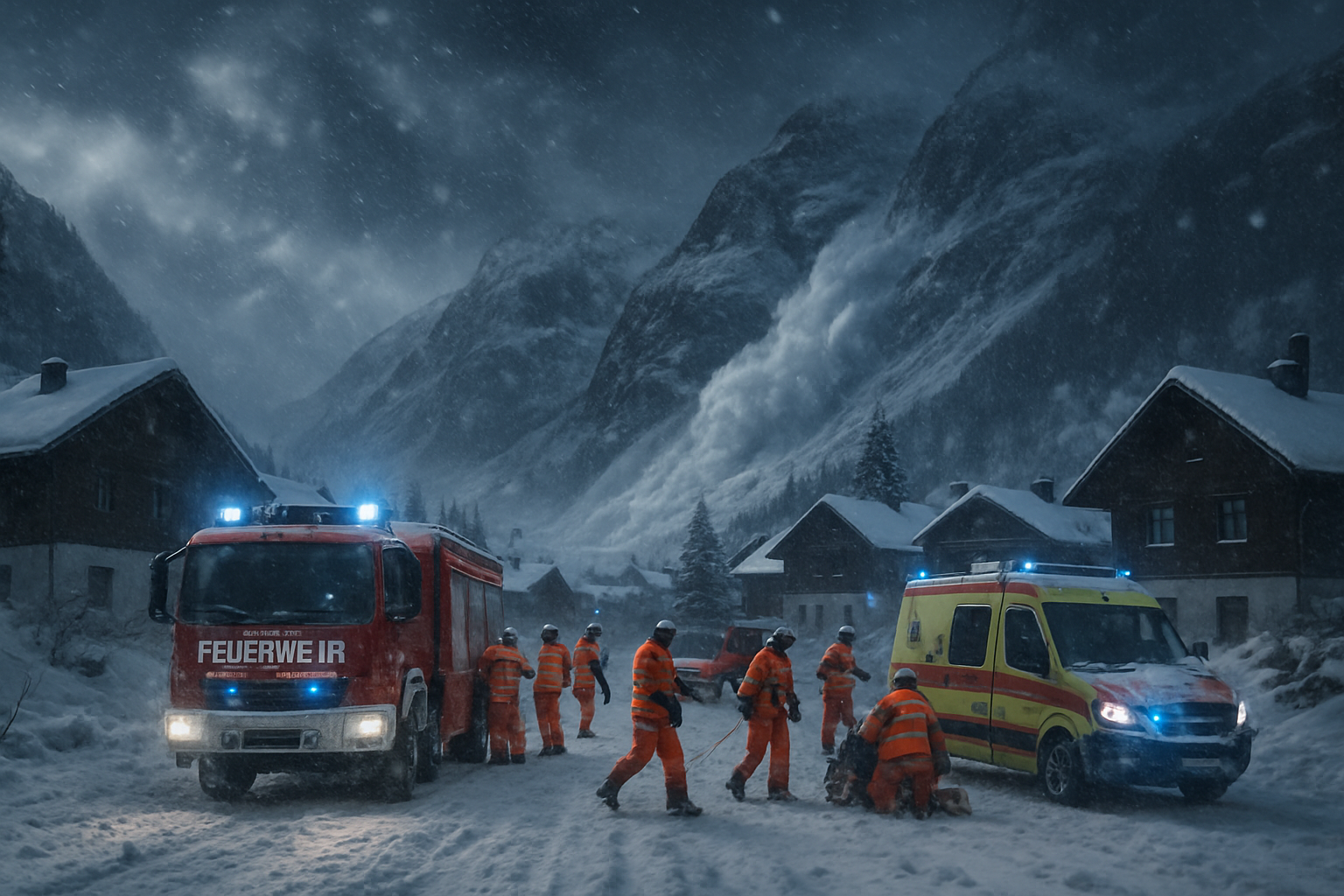
Austrian authorities confirmed at least five deaths from avalanche incidents in recent days, including a critical injury to a skier in the Serfaus ski area who was airlifted to Innsbruck in life-threatening condition. The victim was buried by an avalanche that struck just after 10:00 AM outside marked ski runs, highlighting the extreme danger posed by unstable snow conditions across the Alpine regions.
The crisis extends far beyond Austria's borders, with Bulgaria reporting 10 centimeters of snow accumulation in Sofia, requiring 81 snow-clearing machines to work continuously to maintain basic transportation services. Romanian authorities have declared four county roads in Brăila completely impassable due to snow drifts and dangerous ice conditions, while tennis facilities across Bucharest have suffered structural collapses from heavy snow loads.
Transportation Networks in Crisis
The severity of conditions has forced unprecedented closures across European aviation networks. Sofia's Vasil Levski Airport announced complete shutdown for all civilian flights on February 23-24, with only military aircraft permitted to operate during overnight maintenance windows. The closure affects thousands of passengers and demonstrates the extraordinary measures required to maintain safety during the extreme weather event.
Ground transportation faces similar challenges, with Romanian emergency services blocking multiple county highways due to accumulated snow and ice. The DJ 211B route connecting Bărăganu to Victoria remains closed due to snow drifts, while the DJ 225A Gropeni intersection with the DN 2A has become completely impassable.
Swedish authorities have issued their most serious weather warnings, with meteorologist reports confirming "nervous tension in the air" as multiple avalanche incidents threaten alpine communities. The Ramundberget ski resort area has been particularly affected, with emergency services maintaining high alert status throughout the region.
Infrastructure Vulnerabilities Exposed
The crisis has exposed critical weaknesses in European infrastructure systems designed for historical rather than current climate conditions. Power grids across multiple countries are experiencing cascading failures, with Romania reporting outages affecting 23 localities across three counties. The widespread nature of the disruptions highlights how extreme weather events can overwhelm systems simultaneously across vast geographic areas.
"We are seeing infrastructure operating beyond the parameters it was designed for. The frequency and intensity of these events requires a fundamental rethinking of how we build resilience into our systems."
— Emergency Management Official
The Bulgarian capital's snow removal operations have deployed 81 specialized machines working around the clock, treating not only main thoroughfares but also critical public transport routes and the Southern Arc of the Ring Road. Municipal authorities report that neighborhood roads in Pancharevo, Vitosha, Novi Iskar, and Kremikovtsi districts have received priority treatment to maintain emergency access.
Avalanche Danger at Critical Levels
Austrian avalanche commissions have issued the highest level warnings across Tirol and Vorarlberg regions, with federal forces deployed to support local emergency services. The avalanche that struck the Serfaus area represents just one of multiple incidents affecting the region, where rescue teams describe conditions as "extremely dangerous."
The crisis builds upon earlier devastating weather events that have claimed over 30 lives across Portugal, Spain, and France during February's unprecedented storm succession. Emergency services across Europe report operating at capacity limits as the simultaneous nature of the crisis prevents traditional regional mutual aid mechanisms from providing adequate support.
Finland's Gulf of Finland has frozen completely for the first time in 15 years, according to St. Petersburg and Leningrad Region meteorological authorities, indicating the exceptional nature of current Arctic conditions affecting Northern Europe.
Economic and Social Impact
The extended crisis is inflicting massive economic damage across multiple sectors. Tourism industries in affected Alpine regions face significant losses during peak winter season, while agricultural sectors struggle with infrastructure damage and transportation disruptions that prevent normal supply chain operations.
Healthcare systems report increased strain from weather-related injuries and the challenges of maintaining services during power outages and transportation disruptions. Emergency services emphasize the particular vulnerability of elderly populations during extreme cold events, requiring enhanced community support networks.
The collapse of tennis facility structures in Bucharest, while causing no injuries, demonstrates how heavy snow loads can overwhelm building systems not designed for such extreme accumulations. Engineering assessments will be critical for understanding infrastructure resilience requirements as extreme weather events become more frequent.
Emergency Response and International Coordination
European Union Civil Protection mechanisms have been activated to coordinate assistance between member states, with Sweden and Denmark providing a €246 million assistance package representing the largest coordinated European weather response on record. The scale of support required demonstrates both the severity of the crisis and the importance of continental cooperation in managing climate emergencies.
Rescue operations continue around the clock despite dangerous conditions. The Austrian skier airlifted to Innsbruck received immediate emergency treatment, highlighting the critical importance of rapid response capabilities during avalanche incidents. Helicopter evacuations remain challenging due to weather conditions, requiring ground rescue teams to operate in extremely hazardous environments.
Climate Context and Future Implications
The current crisis occurs against the backdrop of January 2026 being confirmed as the 18th consecutive month exceeding 1.5°C above pre-industrial levels globally, demonstrating the complex relationship between global warming and regional extreme weather events. Climate scientists note that while global temperatures continue rising, disruptions to atmospheric circulation patterns can enable devastating regional cold events.
Recovery timelines extend far beyond immediate emergency response, with some infrastructure damage requiring weeks or months to fully repair. The crisis represents a watershed moment for European climate adaptation strategies, forcing fundamental reconsideration of infrastructure design standards and emergency response capabilities.
Additional Atlantic weather systems continue developing, suggesting the crisis may persist for several more weeks. Authorities maintain high alert levels across affected regions while emphasizing the importance of avoiding unnecessary travel until conditions stabilize.
Looking Forward: Adaptation and Resilience
The February 2026 European weather crisis provides a template for understanding how climate volatility will challenge traditional emergency management approaches. Success in managing these events requires not just reactive crisis response but proactive infrastructure adaptation designed for future rather than historical climate conditions.
The emphasis on "build back better" approaches to infrastructure reconstruction reflects growing recognition that temporary repairs to historical standards will prove inadequate as extreme weather frequency and intensity continue increasing. European scientific advisory councils warn that current conditions may represent preview of routine circumstances by the 2030s without comprehensive climate adaptation investment.
International cooperation frameworks tested during this crisis will inform future European responses to climate emergencies. The ability to coordinate assistance across multiple affected nations simultaneously while maintaining democratic governance provides important lessons for managing climate challenges while preserving institutional stability.
As rescue operations continue and communities begin assessing damage, the crisis underscores the urgent need for transformative approaches to climate resilience that can protect both human lives and essential infrastructure systems during an era of permanent climate volatility.