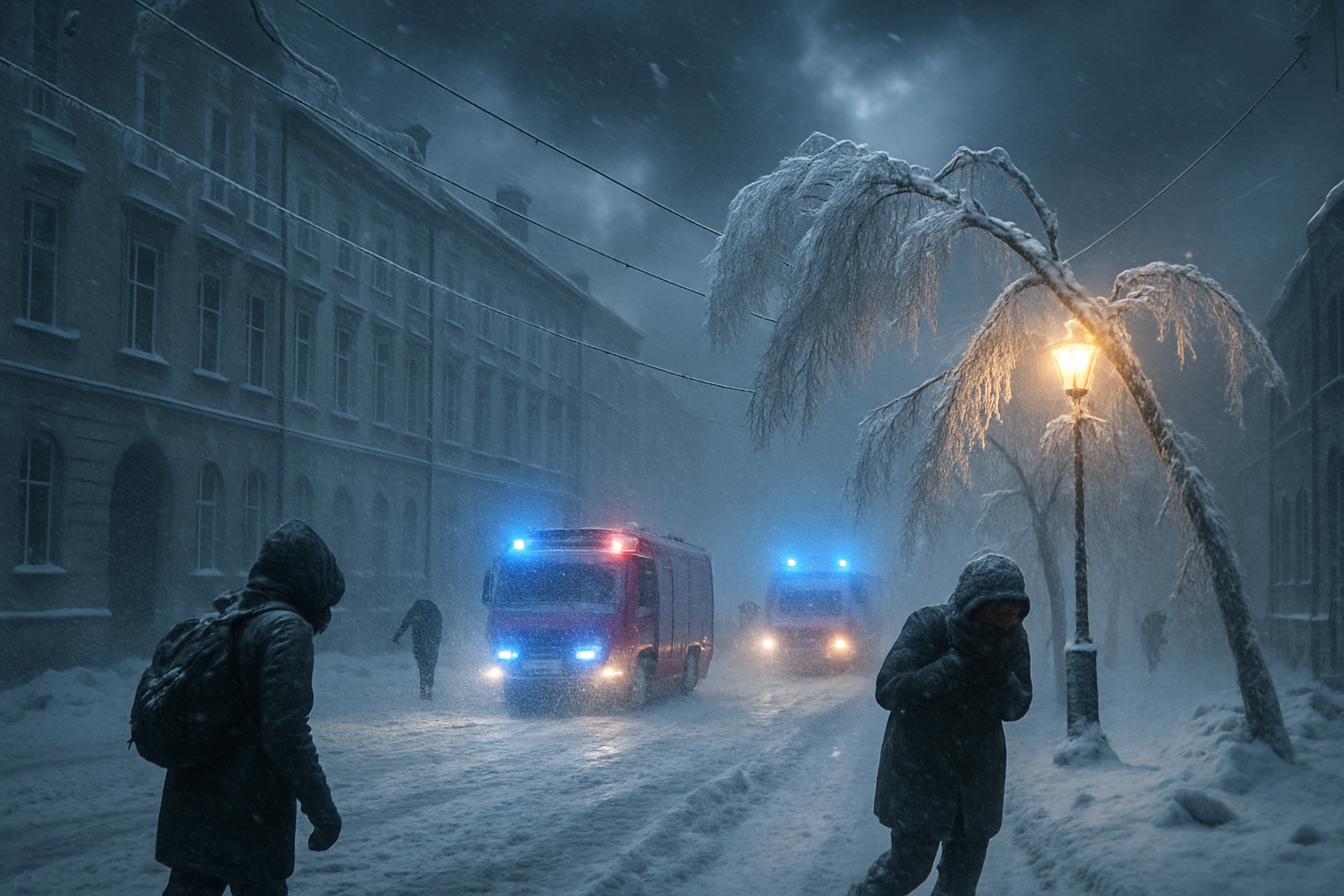
A devastating combination of record-breaking cold temperatures and the destructive Storm Kristin has plunged multiple European nations into crisis, with temperatures plummeting to -30°C, widespread infrastructure damage, and emergency services overwhelmed across the continent.
The extreme weather conditions have created a multi-faceted disaster affecting millions of Europeans from Portugal in the west to Finland in the north and extending into Eastern European nations including Poland, Lithuania, Romania, and Slovakia. The crisis represents one of the most severe winter weather events to hit Europe in recent years, following the pattern of extreme winter conditions that have already claimed over 110 lives in North America.
Poland Bears the Brunt of Arctic Conditions
Poland has emerged as one of the hardest-hit nations, with meteorologists from the Institute of Meteorology and Water Management (IMGW) warning of temperatures dropping as low as -28°C, with wind chill factors making conditions feel even more severe at -30°C or below. The extreme cold has triggered widespread alerts across nearly the entire country.
The impact on daily life has been immediate and severe. Thousands of Poles have been left without electricity, while hundreds of schools have been forced to close due to the dangerous conditions. The situation in the Tri-City area (Trójmiasto) has become particularly critical following a major breakdown at the local power plant.
"I have made the decision to suspend classes in those schools that have no heating source other than the Gdańsk Energy Enterprise,"
— Aleksandra Dulkiewicz, Mayor of Gdańsk
The healthcare system is also feeling the strain of the extreme weather. In Szczecin, the Orthopedic, Traumatology and Oncology Clinic at University Clinical Hospital No. 1 has been forced to suspend planned patient admissions due to an overwhelming influx of trauma patients suffering injuries from falls on icy sidewalks. The hospital described sidewalks as being covered in "glass-like" ice, making movement extremely hazardous.
Storm Kristin Devastates Portugal's Natural Heritage
While Poland battles extreme cold, Portugal has been grappling with the aftermath of Storm Kristin, which has caused unprecedented environmental destruction. The storm's impact has been particularly devastating for the country's historical and natural sites.
At the Center for Interpretation of the Battle of Aljubarrota (CIBA) in Porto de Mós, Leiria district, approximately 90% of trees on the grounds have been destroyed by the storm. This represents a catastrophic loss for one of Portugal's important historical sites, which commemorates a pivotal 14th-century battle.
The destruction extends beyond historical sites. In Miranda do Corvo, hundreds of trees have been uprooted and broken in the Vila Nova parish commons, according to parish president José João Jesus. The widespread tree damage has created significant safety hazards and will require extensive cleanup efforts.
Transportation infrastructure has also been severely affected. The national bus company Rede Expressos has implemented an "exceptional measure" offering full refunds for tickets through Sunday, acknowledging the widespread disruption to travel services. Meanwhile, local authorities in Tomar are monitoring water levels in the Agroal area as they fear potential flooding in the coming hours, with many parishes still lacking electricity and communications.
Finland Faces Infrastructure Crisis
In Finland, the extreme cold has created serious infrastructure challenges, particularly affecting educational facilities. Over 400 students have been evacuated from schools in Helsinki's Maunula district due to frozen pipes, forcing the relocation of pupils from both Swedish-language and Finnish-language primary schools to alternative facilities.
This evacuation highlights the broader infrastructure vulnerabilities that extreme cold can expose, even in countries well-prepared for harsh winter conditions. The incident demonstrates how sustained extreme temperatures can overwhelm even robust Nordic infrastructure systems.
Regional Health Emergency Develops
The health implications of the severe weather are becoming increasingly apparent across the affected regions. In Lithuania's port city of Klaipėda, hospitals are reporting multiple casualties from the extreme cold. The Republican Klaipėda Hospital treated at least one person for frostbite injuries to extremities over the weekend, while also experiencing an increase in flu-related hospitalizations.
The combination of extreme cold exposure and seasonal illness represents a double burden on healthcare systems already strained by the ongoing challenges of winter emergency response.
Ukraine Braces for Historic Cold
The extreme weather system affecting Western and Central Europe is set to intensify as it moves eastward. Ukrainian meteorologists are warning of the most severe frost conditions of the winter, with temperatures in the Sumy and Chernihiv regions potentially dropping to between -28°C and -30°C.
This development is particularly concerning given Ukraine's ongoing infrastructure challenges, with thousands of households still without electricity following recent attacks. The combination of damaged power infrastructure and record-breaking cold temperatures poses severe risks to civilian populations.
"The most severe frosts of winter will hit Ukraine tonight,"
— Natalia Golenia, Head of Forecasting Department, Ukrainian Hydrometeorological Center
Emergency Response and Preparedness
Authorities across affected European nations have activated emergency response protocols, but the scale and geographic spread of the crisis is testing preparedness systems. The simultaneous nature of multiple weather-related emergencies – from infrastructure failures in Poland to environmental destruction in Portugal and freezing conditions across Northern and Eastern Europe – represents a complex challenge for emergency services.
Weather forecasters are warning that the extreme conditions will persist in the immediate term, with Polish meteorologists indicating that very cold conditions will continue for several more days. This prolonged duration raises concerns about the cumulative impact on infrastructure, health services, and economic activity.
Connection to Global Weather Patterns
The severe European weather conditions are part of a broader pattern of extreme winter weather that has affected both sides of the Atlantic. Earlier reporting documented over 110 deaths in the United States from a "bomb cyclone" and polar vortex disruption, making this one of the deadliest winter weather events in recent history.
The synchronization of these extreme weather events across Europe and North America suggests the influence of large-scale atmospheric patterns that are driving unprecedented winter conditions across the Northern Hemisphere. Climate scientists continue to study these patterns and their potential connection to broader climate change impacts.
Economic and Social Implications
The widespread nature of the current weather crisis is beginning to generate significant economic impacts across affected regions. From transportation disruptions and school closures to infrastructure damage and increased healthcare demands, the costs are mounting rapidly.
The destruction of natural heritage sites in Portugal, the closure of schools across multiple countries, and the strain on healthcare systems represent just the immediate, visible impacts. Longer-term consequences may include insurance claims, infrastructure repair costs, and potential impacts on tourism and agriculture as the situation develops.
As European nations continue to grapple with these extreme conditions, the coming days will be crucial in determining the full extent of the damage and the effectiveness of emergency response efforts across this unprecedented continental weather crisis.