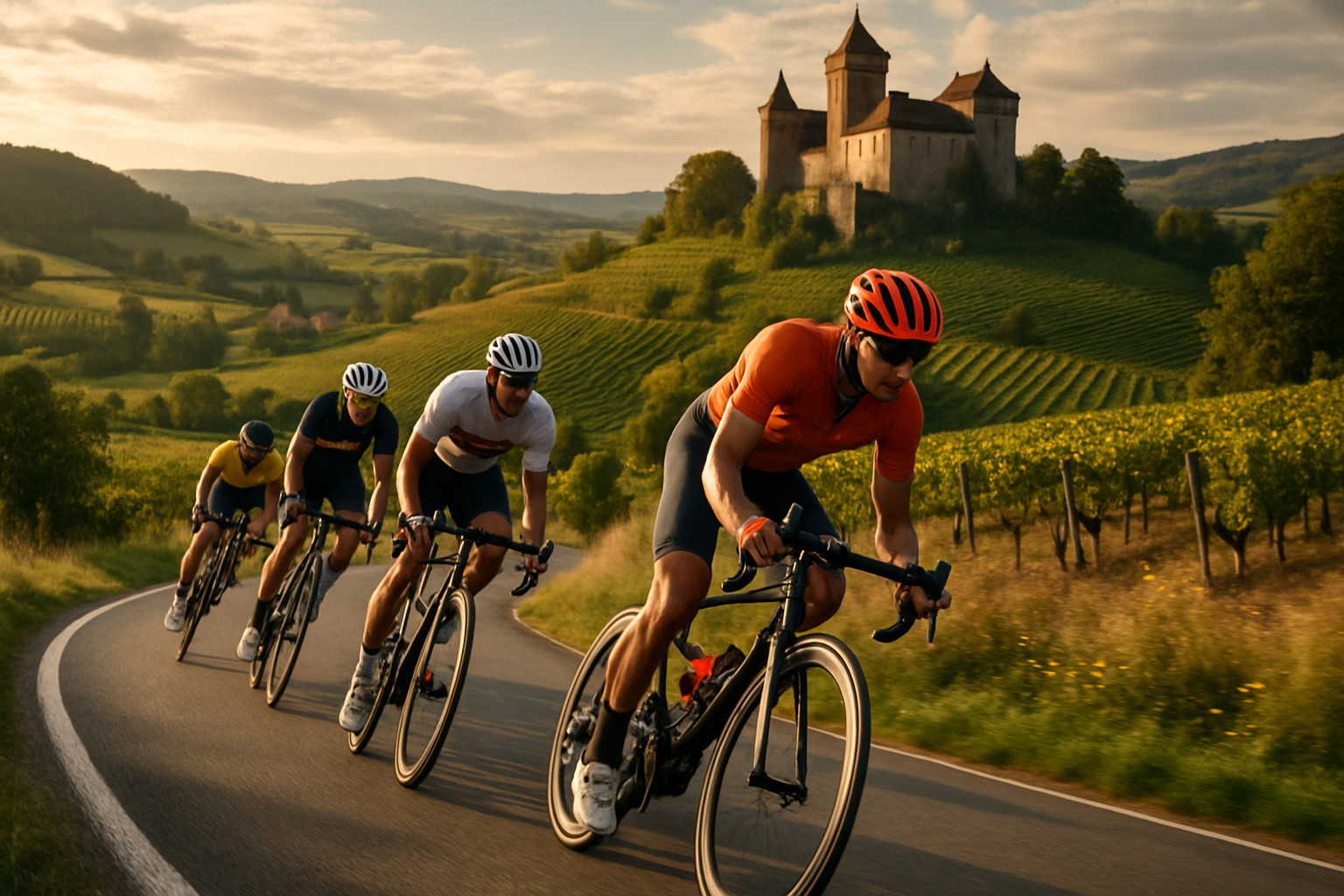
The 2026 Liège-Bastogne-Liège cycling classic has emerged as more than just a prestigious sporting event—it's become a catalyst for European cycling tourism, with scenic routes featured in major competitions driving unprecedented destination marketing campaigns and sustainable travel growth across the continent.
As Tadej Pogačar claimed his third consecutive victory in the prestigious Belgian classic on April 26, 2026, the real winner may have been European cycling tourism itself. The race, known as "La Doyenne" (The Oldest), showcased the scenic Ardennes region to millions of viewers worldwide, highlighting the growing intersection between professional cycling and destination marketing.
Professional Cycling as Tourism Marketing Platform
Luxembourg cyclist Mats Wenzel's impressive 47th-place finish in his first Liège-Bastogne-Liège participation exemplifies how local talent can amplify regional tourism appeal. The 22-year-old rider's performance brought additional attention to Luxembourg's cycling infrastructure and scenic routes that connect seamlessly with Belgium's famed cycling corridors.
"The exposure from these major cycling events is invaluable," explains Denis Bastien, sports journalist covering the race. "When millions watch cyclists navigate these beautiful landscapes, they're essentially viewing a three-hour tourism advertisement for the region."
"These races showcase not just athletic excellence, but the incredible landscapes and heritage that make Europe a premier cycling destination."
— Tourism Industry Analyst
The women's edition saw Dutch rider Demi Vollering claim victory with a stunning 35-kilometer solo breakaway, just four days after her Flèche Wallonne triumph. Her dominance in the Ardennes classics brought additional international attention to the region's challenging climbs and picturesque valleys that attract cycling tourists year-round.
Infrastructure Investment Driving Cycling Tourism Growth
European destinations are capitalizing on cycling's popularity through massive infrastructure investments. Croatia leads this transformation with a comprehensive approach that includes 62 tourist medical clinics—Europe's most extensive seasonal healthcare network for 2026—specifically designed to support cycling tourists and sporting events.
The success of professional cycling events like Liège-Bastogne-Liège has prompted destinations across Europe to develop cycling-specific tourism infrastructure. From dedicated bike lanes to specialized accommodation, the cycling tourism sector is experiencing unprecedented growth as part of the broader $570 billion global tourism infrastructure surge documented in 2026.
Scenic Route Marketing Revolution
The Ardennes region, featured prominently in classics like Liège-Bastogne-Liège, represents a template for how cycling competitions can transform regional tourism. The race route passes through historic towns, rolling countryside, and challenging climbs like the Côte de la Redoute, where Vollering built her winning move—locations that have since become pilgrimage sites for cycling enthusiasts.
Luxembourg's strategic position within this cycling corridor has led to significant tourism infrastructure development. The country's compact size and excellent connectivity make it an ideal base for cycling tourists exploring the broader Ardennes region, with routes extending into Belgium, France, and Germany.
Sustainable Tourism Through Cycling Events
The cycling tourism boom aligns perfectly with Europe's shift toward quality-focused, sustainable travel strategies. Unlike traditional mass tourism, cycling tourism typically involves longer stays, higher per-day spending, and greater engagement with local communities and landscapes.
Generation Z travelers, who account for 50% of multiple trip-takers annually, are particularly drawn to authentic experiences that combine sport, culture, and environmental consciousness. Professional cycling events like the Ardennes classics provide exactly this combination, showcasing both athletic excellence and regional heritage.
Economic Impact Beyond the Peloton
The economic multiplier effects of cycling tourism extend far beyond race day. Local businesses benefit from year-round cycling tourism, with specialized bike shops, guided tour operators, and cycling-friendly accommodations experiencing sustained growth. The Liège-Bastogne-Liège route has become a year-round attraction, with thousands of amateur cyclists attempting to ride the same roads as their professional heroes.
Regional cooperation has emerged as a key success factor, with destinations working together rather than competing. The Ardennes region benefits from coordinated marketing efforts across national borders, creating multi-destination experiences that extend tourist stays and distribute economic benefits more widely.
Technology Integration Enhancing the Experience
Modern cycling tourism leverages technology to enhance both the sporting spectacle and tourist experience. Real-time tracking during professional races allows viewers to follow specific sections of routes they might want to ride themselves. GPS-enabled route guides, mobile applications providing historical and cultural information, and AI-integrated travel planning are becoming standard features of cycling tourism packages.
This technological integration supports rather than replaces authentic experiences, providing cyclists with enhanced information about the landscapes, history, and culture they're experiencing while maintaining the fundamental appeal of human-powered exploration.
Climate Adaptation and Cycling Infrastructure
As Europe adapts to climate change—with January 2026 marking the 18th consecutive month of temperatures exceeding 1.5°C above pre-industrial levels—cycling infrastructure represents a climate-resilient tourism investment. Unlike many other forms of tourism infrastructure, cycling routes and related facilities can adapt to changing weather patterns while supporting both competitive events and recreational tourism.
The success of events like Liège-Bastogne-Liège in varied weather conditions demonstrates the resilience of cycling tourism. The 2026 race took place under "ardent sunshine" that was "almost in advance of the season," showcasing how cycling events can adapt to changing climate patterns while maintaining their appeal.
International Cooperation and Route Development
The European cycling tourism boom reflects broader trends toward international cooperation in tourism development. The seamless connectivity between Luxembourg, Belgium, and neighboring countries demonstrates how effective cross-border collaboration can create tourism products that no single destination could develop independently.
This cooperation model is being replicated across Europe, with cycling route networks connecting multiple countries and creating continent-spanning tourism experiences. The success of events like Liège-Bastogne-Liège provides a template for how sporting events can anchor these broader tourism strategies.
Looking Ahead: The Future of Cycling Tourism
As professional cycling continues to showcase Europe's scenic landscapes to global audiences, the cycling tourism sector is positioned for sustained growth. The combination of infrastructure investment, technological innovation, and international cooperation creates a foundation for long-term success that benefits both sporting events and destination tourism.
The success stories emerging from races like Liège-Bastogne-Liège demonstrate how sporting events can drive sustainable tourism development, create authentic cultural experiences, and support local communities while showcasing some of Europe's most beautiful landscapes to the world.
For cycling enthusiasts and tourism professionals alike, the 2026 season represents a watershed moment where professional sport, destination marketing, and sustainable tourism converge to create new models for European travel that celebrate both athletic achievement and regional heritage.